
Trash Goblin on Nintendo Switch: In-Depth Review of the Indie Upcycling Sim
The Nintendo Switch continues to be a haven for indie gems that blend creativity, charm, and accessible gameplay.
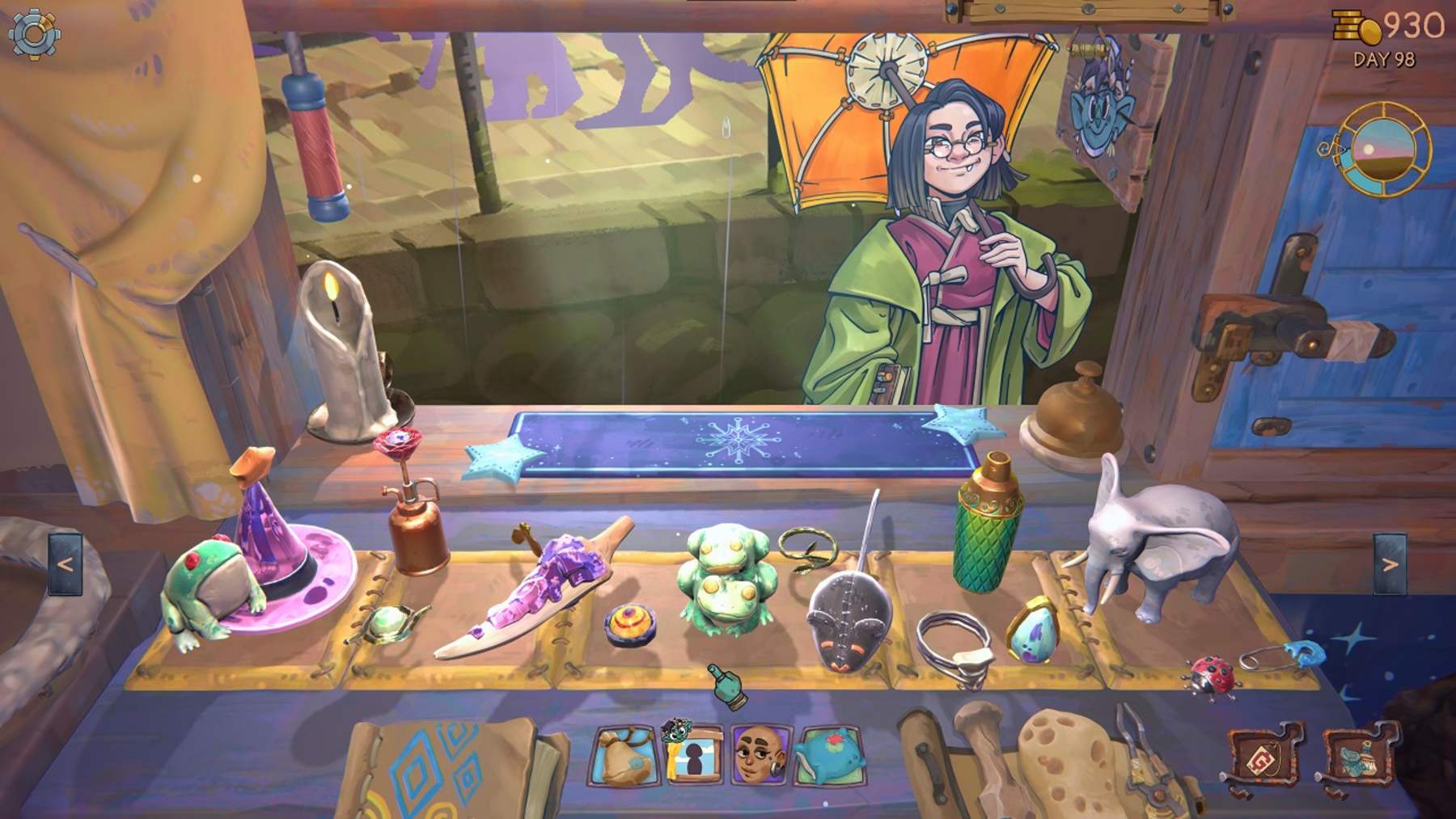
The latest arrival, Trash Goblin, brings players into a cozy fantasy world brimming with antiques, curious artifacts, and a lively assortment of customers ranging from humans to frogs, mushroom folk, and lizard people.
Developed by a dedicated indie team, Trash Goblin showcases why the console’s eShop remains a go-to platform for simulation enthusiasts and fans of inventive life sims.
Set in the whimsical world of Silver City, Trash Goblin puts you in the shoes of a goblin entrepreneur who inherits a traveling shop from a clever and enthusiastic friend named Aimon.
Players are tasked with collecting, restoring, and reselling an array of rustic tools, antiques, and trinkets—all while developing relationships with the colorful inhabitants of this unique fantasy setting.
Gameplay Overview and Core Mechanics
Trash Goblin stands apart from other shop management sims by having players physically interact with their finds.
At the heart of the experience are three main activities: chiseling, cleaning, and upcycling.
Each process is straightforward, although repetitive by design, emphasizing the hands-on element many fans of cozy sims appreciate.
Aimon guides players through the basics, starting with small items encased in dirt and stone.
Players use a combination of button presses to chisel away debris, revealing the hidden treasures within.
Different blocks require varying amounts of effort: some break with a single tap, others are more resilient or can only be broken from designated sides.
This approach transforms each restoration into a mini-archeology puzzle, offering engaging but accessible challenges.
Once excavated, objects require cleaning.
The cleaning mechanic, performed via a virtual sponge, allows you to rotate items and scrub away remaining residue in real time.
While the initial sponge is slow, upgrading this tool makes the process considerably more efficient.
Notably, some customers are particular about cleanliness, rewarding players who hand over spotless items with higher payouts.
This detail incentivizes players to pay attention to their clientele’s preferences, adding a layer of strategy to shop management.
Upcycling is where Trash Goblin truly shines, tapping into players’ creative impulses.
Using upgradable pliers, you can combine disparate trinkets into new creations—ranging from whimsical decorations to functional tools and even weapons.
Some components are designed to fit perfectly together, while others allow room for experimental designs, encouraging endless customization and replayability.
As players progress and upgrade their tools, the opportunity for more complex and lucrative upcycling expands.
Shop Management, Social Interaction, and Progression
Running the shop is both rewarding and relationship-driven.
The process of selling—whether to travelers in the bustling markets or unique named characters—grants not only profit but improves rapport with the city’s inhabitants, unlocking the potential for story progression and greater tips.
Importantly, selling and interacting with customers does not consume any of the limited time slots per in-game day, ensuring a steady flow of social encounters and sales opportunities.
Time management becomes vital, as each hands-on task at your work desk—chiseling, cleaning, or upcycling—uses up a finite number of daily action slots.
This design encourages players to upgrade their workbench and tools for maximum efficiency.
Additionally, you can decorate and expand your shop, purchase storage and display upgrades, and travel to new market locations, giving the game a satisfying loop of growth and creative personalization.
Art, Atmosphere, and Overall Experience
The presentation of Trash Goblin is quintessentially cozy.
The art direction delivers a vibrant fantasy world, populated with characters in armor, elaborate robes, and lovingly detailed backgrounds featuring lush trees and mystical scenery.
The overall atmosphere is warm and hands-on, making every restored relic and customer interaction feel personal.
With around 20 hours of gameplay, Trash Goblin may be somewhat repetitive in its core loop, but its engaging characters and whimsical style help maintain lasting appeal.
Conclusion: A Cozy, Creative Sim for Nintendo Switch
Trash Goblin is a delightful entry in the cozy simulation genre, offering accessible mechanics, ample creative outlets, and a welcoming, story-rich environment.
While its gameplay can become repetitive, its strong character moments and immersive shop management keep the experience charming throughout.
It’s a recommended pick for fans of relaxing Nintendo Switch titles like Animal Crossing or Stardew Valley, and for anyone looking to express their creativity in a whimsical virtual world.
The Nintendo Switch continues to be a haven for indie gems that blend creativity, charm, and accessible gameplay.
The latest arrival, Trash Goblin, brings players into a cozy fantasy world brimming with antiques, curious artifacts, and a lively assortment of customers ranging from humans to frogs, mushroom folk, and lizard people.
Developed by a dedicated indie team, Trash Goblin showcases why the console’s eShop remains a go-to platform for simulation enthusiasts and fans of inventive life sims.
Set in the whimsical world of Silver City, Trash Goblin puts you in the shoes of a goblin entrepreneur who inherits a traveling shop from a clever and enthusiastic friend named Aimon.
Players are tasked with collecting, restoring, and reselling an array of rustic tools, antiques, and trinkets—all while developing relationships with the colorful inhabitants of this unique fantasy setting.
Gameplay Overview and Core Mechanics
Trash Goblin stands apart from other shop management sims by having players physically interact with their finds.
At the heart of the experience are three main activities: chiseling, cleaning, and upcycling.
Each process is straightforward, although repetitive by design, emphasizing the hands-on element many fans of cozy sims appreciate.
Aimon guides players through the basics, starting with small items encased in dirt and stone.
Players use a combination of button presses to chisel away debris, revealing the hidden treasures within.
Different blocks require varying amounts of effort: some break with a single tap, others are more resilient or can only be broken from designated sides.
This approach transforms each restoration into a mini-archeology puzzle, offering engaging but accessible challenges.
Once excavated, objects require cleaning.
The cleaning mechanic, performed via a virtual sponge, allows you to rotate items and scrub away remaining residue in real time.
While the initial sponge is slow, upgrading this tool makes the process considerably more efficient.
Notably, some customers are particular about cleanliness, rewarding players who hand over spotless items with higher payouts.
This detail incentivizes players to pay attention to their clientele’s preferences, adding a layer of strategy to shop management.
Upcycling is where Trash Goblin truly shines, tapping into players’ creative impulses.
Using upgradable pliers, you can combine disparate trinkets into new creations—ranging from whimsical decorations to functional tools and even weapons.
Some components are designed to fit perfectly together, while others allow room for experimental designs, encouraging endless customization and replayability.
As players progress and upgrade their tools, the opportunity for more complex and lucrative upcycling expands.
Shop Management, Social Interaction, and Progression
Running the shop is both rewarding and relationship-driven.
The process of selling—whether to travelers in the bustling markets or unique named characters—grants not only profit but improves rapport with the city’s inhabitants, unlocking the potential for story progression and greater tips.
Importantly, selling and interacting with customers does not consume any of the limited time slots per in-game day, ensuring a steady flow of social encounters and sales opportunities.
Time management becomes vital, as each hands-on task at your work desk—chiseling, cleaning, or upcycling—uses up a finite number of daily action slots.
This design encourages players to upgrade their workbench and tools for maximum efficiency.
Additionally, you can decorate and expand your shop, purchase storage and display upgrades, and travel to new market locations, giving the game a satisfying loop of growth and creative personalization.
Art, Atmosphere, and Overall Experience
The presentation of Trash Goblin is quintessentially cozy.
The art direction delivers a vibrant fantasy world, populated with characters in armor, elaborate robes, and lovingly detailed backgrounds featuring lush trees and mystical scenery.
The overall atmosphere is warm and hands-on, making every restored relic and customer interaction feel personal.
With around 20 hours of gameplay, Trash Goblin may be somewhat repetitive in its core loop, but its engaging characters and whimsical style help maintain lasting appeal.
Conclusion: A Cozy, Creative Sim for Nintendo Switch
Trash Goblin is a delightful entry in the cozy simulation genre, offering accessible mechanics, ample creative outlets, and a welcoming, story-rich environment.
While its gameplay can become repetitive, its strong character moments and immersive shop management keep the experience charming throughout.
It’s a recommended pick for fans of relaxing Nintendo Switch titles like Animal Crossing or Stardew Valley, and for anyone looking to express their creativity in a whimsical virtual world.
