
Tomodachi Life: Living the Dream continues Nintendo's long-running fascination with player-created avatars and emergent social play.
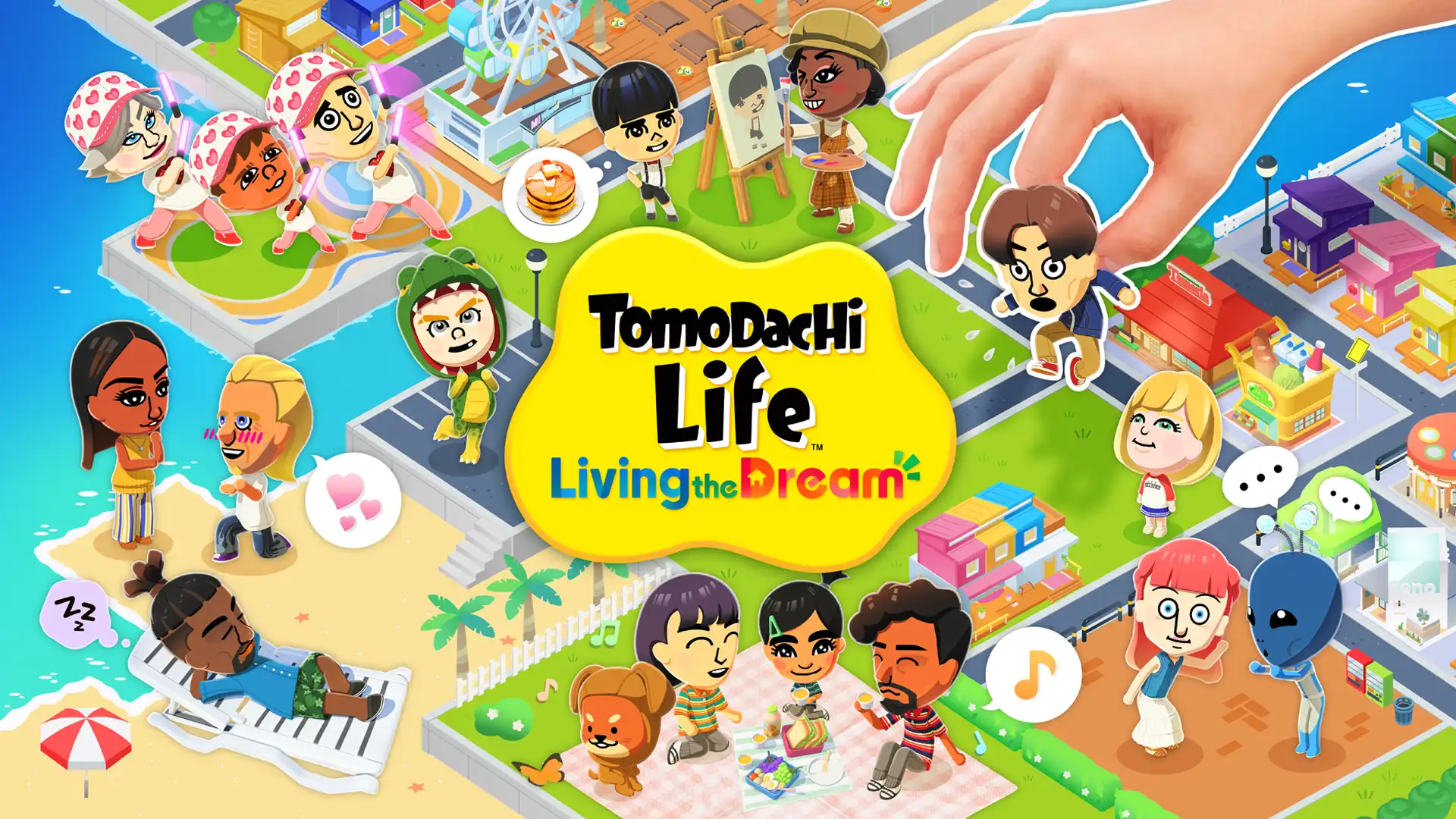
Built around Miis — the avatar system Nintendo popularized with the Wii in 2006 — this installment preserves the franchise's core design: you create characters and then watch an island full of autonomous personalities interact, form relationships, and generate unscripted moments.
At a glance
- Developer: Nintendo (series created by Nintendo internal teams)
- Series history: Evolved from Tomodachi Collection on earlier Nintendo hardware and the Tomodachi Life title on Nintendo 3DS
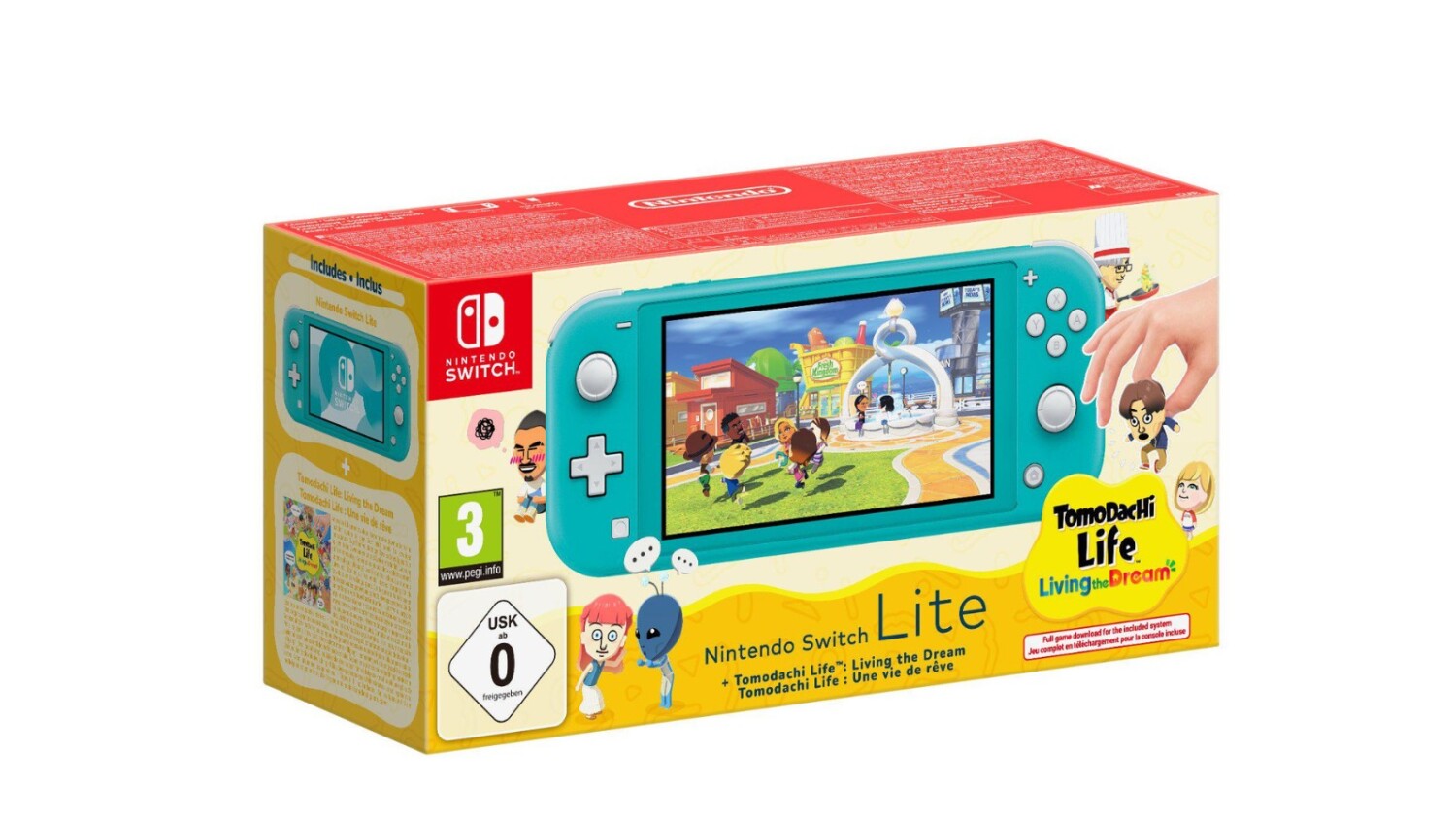
- Platform context: Designed for modern Nintendo ecosystems and positioned alongside Nintendo Switch releases and eShop distribution strategies
Gameplay and player role
Tomodachi Life: Living the Dream shifts player control away from direct micromanagement toward influence and curation.
Rather than moving characters yourself, you manufacture lives by creating Miis, furnishing homes, offering gifts, and occasionally intervening when a resident requests help.
In journalistic terms: the game treats the player as a community manager who seeds situations and watches emergent behavior unfold, rather than a puppeteer issuing constant commands.
Customization and social tools
Customization is a standout.
Players can design clothing, home interiors, and facial details using pixel-grid editors; the title supports importing or recreating pop-culture faces, yielding islands populated with both original characters and recognizable cameos.
The game allows for robust population growth — the current build supports large Mii rosters — and players report lively variety as shops and wardrobe options refresh on a daily cadence.
Systems that sustain daily play
Living the Dream runs on a real-world clock similar to Nintendo's Animal Crossing franchise, encouraging short, repeat visits.
Shops and market stalls restock on a predictable schedule, and residents contribute to community funds based on their happiness.
Progression ties into resident happiness and leveling: as Miis gain levels, they unlock new behaviors, items, and customization opportunities.
Strengths and limitations
The title's greatest strength is its unpredictability and humor: unscripted interactions produce shareable moments that have already resonated on social media.
At the same time, the simulation's looser structure can lead to repetition as islands grow large; managing a crowded population sometimes reduces the novelty of emergent scenes.
The experience rewards patience and creative investment in custom designs, while also exposing the tedium inherent in pixel-by-pixel editors.
Conclusion
Tomodachi Life: Living the Dream is a faithful evolution of the series' Mii-centric experimentation.
It foregrounds chaos, customization, and low-key daily engagement rather than structured goals.
For players who enjoyed Tomodachi Life on 3DS and those who appreciate social, emergent sims, Living the Dream delivers a distinct, often hilarious sandbox experience that complements Nintendo's modern lineup.
Built around Miis — the avatar system Nintendo popularized with the Wii in 2006 — this installment preserves the franchise's core design: you create characters and then watch an island full of autonomous personalities interact, form relationships, and generate unscripted moments.
At a glance
- Developer: Nintendo (series created by Nintendo internal teams)
- Series history: Evolved from Tomodachi Collection on earlier Nintendo hardware and the Tomodachi Life title on Nintendo 3DS
- Platform context: Designed for modern Nintendo ecosystems and positioned alongside Nintendo Switch releases and eShop distribution strategies
Gameplay and player role
Tomodachi Life: Living the Dream shifts player control away from direct micromanagement toward influence and curation.
Rather than moving characters yourself, you manufacture lives by creating Miis, furnishing homes, offering gifts, and occasionally intervening when a resident requests help.
In journalistic terms: the game treats the player as a community manager who seeds situations and watches emergent behavior unfold, rather than a puppeteer issuing constant commands.
Customization and social tools
Customization is a standout.
Players can design clothing, home interiors, and facial details using pixel-grid editors; the title supports importing or recreating pop-culture faces, yielding islands populated with both original characters and recognizable cameos.
The game allows for robust population growth — the current build supports large Mii rosters — and players report lively variety as shops and wardrobe options refresh on a daily cadence.
Systems that sustain daily play
Living the Dream runs on a real-world clock similar to Nintendo's Animal Crossing franchise, encouraging short, repeat visits.
Shops and market stalls restock on a predictable schedule, and residents contribute to community funds based on their happiness.
Progression ties into resident happiness and leveling: as Miis gain levels, they unlock new behaviors, items, and customization opportunities.
Strengths and limitations
The title's greatest strength is its unpredictability and humor: unscripted interactions produce shareable moments that have already resonated on social media.
At the same time, the simulation's looser structure can lead to repetition as islands grow large; managing a crowded population sometimes reduces the novelty of emergent scenes.
The experience rewards patience and creative investment in custom designs, while also exposing the tedium inherent in pixel-by-pixel editors.
Conclusion
Tomodachi Life: Living the Dream is a faithful evolution of the series' Mii-centric experimentation.
It foregrounds chaos, customization, and low-key daily engagement rather than structured goals.
For players who enjoyed Tomodachi Life on 3DS and those who appreciate social, emergent sims, Living the Dream delivers a distinct, often hilarious sandbox experience that complements Nintendo's modern lineup.