

Tomb Raider: Definitive Edition Review – A Gritty Reboot Lands on Nintendo Switch 2
Almost a decade after it first redefined an icon, Tomb Raider: Definitive Edition has made its debut on Nintendo Switch 2, courtesy of developer Aspyr.
Initially released by Crystal Dynamics and Square Enix in 2013, this divisive reboot marked a bold shift in the longstanding franchise, departing from the puzzle-heavy escapades that defined Lara Croft’s earliest adventures.
With the franchise’s return to Nintendo hardware, both old fans and new players are revisiting the survival-action origin story that propelled the famous archaeologist into the modern era.
A Departure from Classic Tomb Raider
From the outset, Tomb Raider: Definitive Edition distinguishes itself from its predecessors by focusing heavily on narrative and cinematic action.
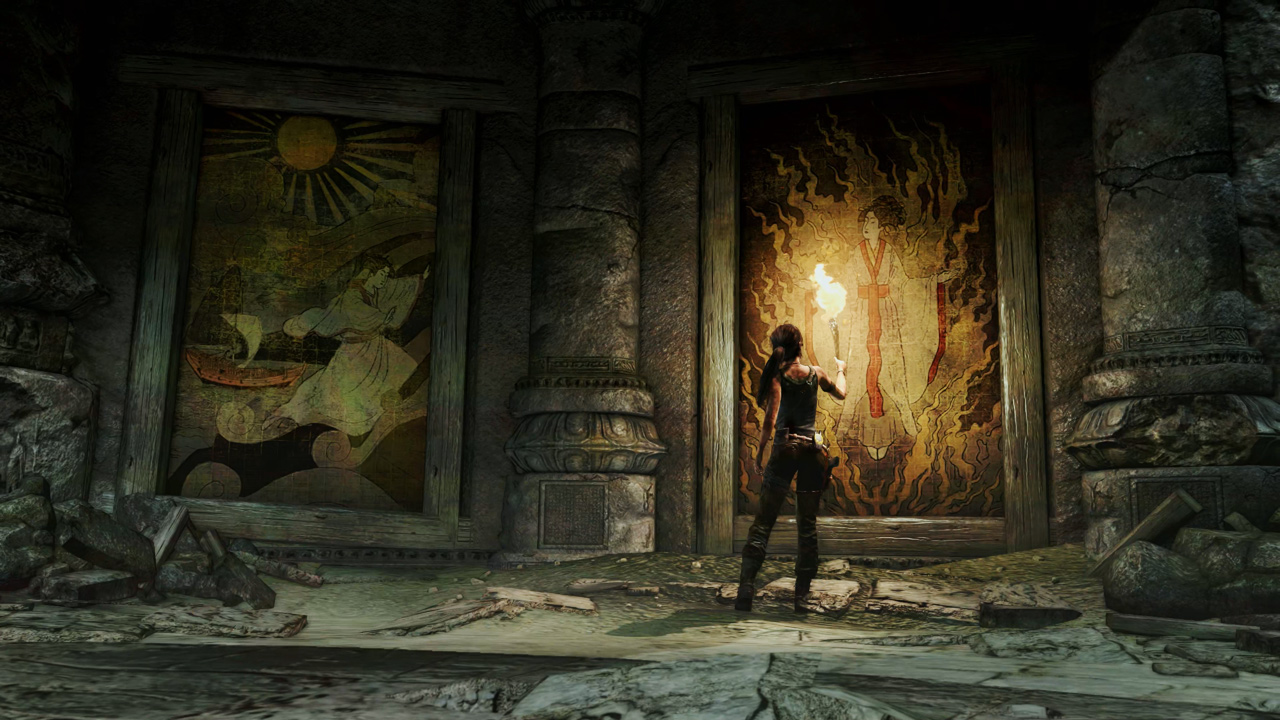
Gone are the sprawling tombs that demanded precise platforming and clever puzzle-solving—instead, tombs here are mostly optional side quests, offering quick detours reminiscent of the shrines found in The Legend of Zelda: Breath of the Wild.
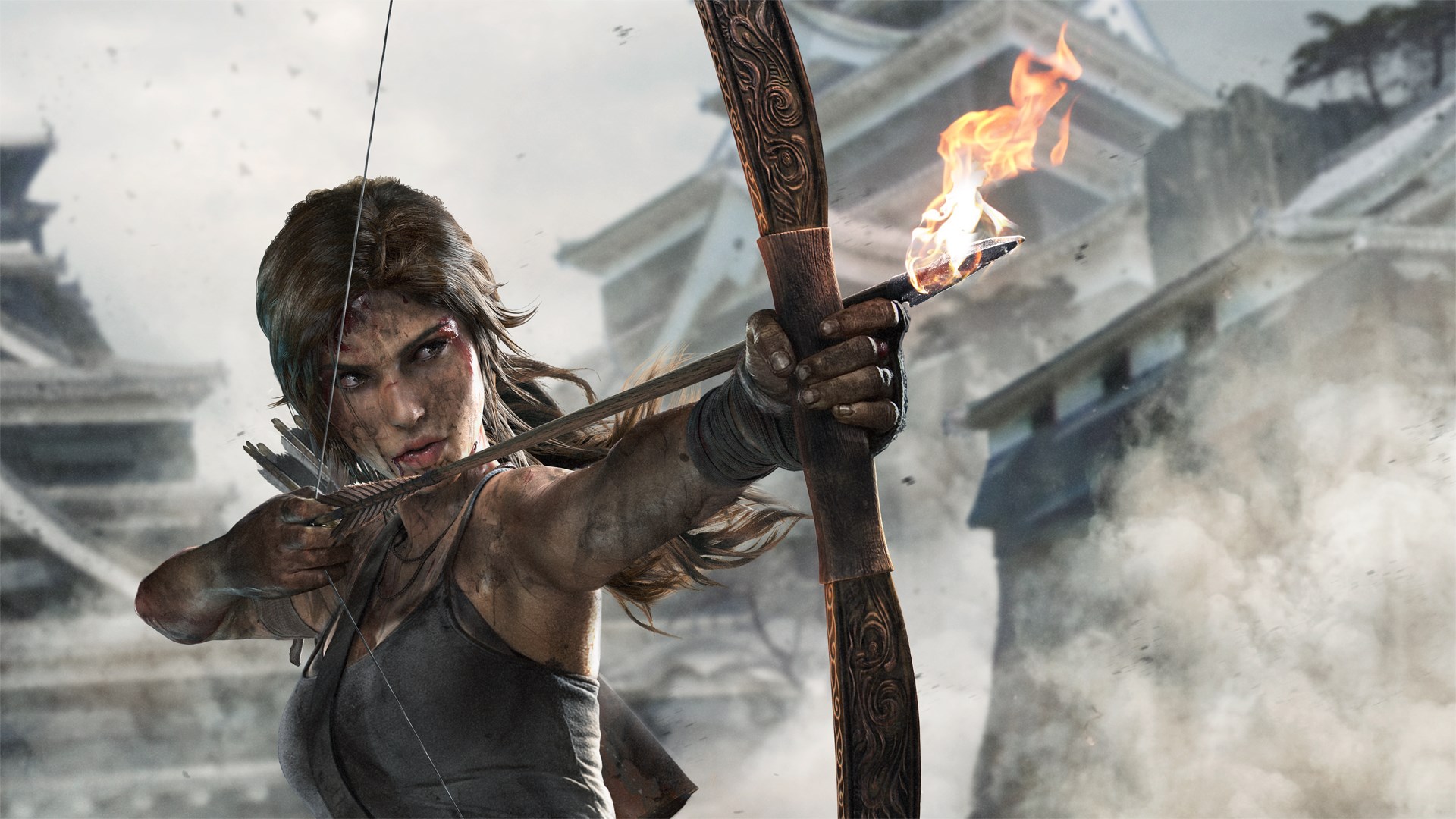
While this evolution disappointed some longtime fans, the reboot was lauded for its riveting gameplay and compelling, if grittier, reimagining of Lara Croft.
Lara’s tale begins as a fresh archaeology graduate determined to uncover the secrets of Yamatai—a mythical kingdom lost in the treacherous Dragon’s Triangle.
When her team’s ship wrecks on an uncharted island, Lara is thrust into a relentless fight for survival, forced to scavenge, craft, and adapt in a world filled with hostile adversaries and environmental dangers.
The focus on survival mechanics sets this installment apart, requiring players to hunt for food, upgrade equipment, and master new skills to progress, especially when exploring the game’s hidden tombs.
Gameplay and Performance on Nintendo Switch 2
On the Switch 2, Tomb Raider: Definitive Edition delivers solid performance at 60 frames per second, a notable improvement over the original Switch version’s 30fps ceiling.
However, the visuals haven’t received a significant overhaul, leaving some textures and models feeling a generation behind recent console standards.
The experience remains smooth whether played handheld or docked, maintaining its performance benchmarks across both modes.
Aspyr has implemented Nintendo-specific features like gyro and Joy-Con pointer controls, but these additions contribute little to the gameplay and may even detract from the overall experience.
The Pro Controller remains the optimal way to enjoy the game for precise inputs and comfort.
Value and Accessibility on Switch eShop
One of the most attractive aspects of Tomb Raider: Definitive Edition on Nintendo Switch and Switch 2 is its aggressive $19.99 launch price on the Switch eShop.
Notably, there’s no upgrade path or discount between versions; the primary differences come down to enhanced framerate and slightly improved visuals on Switch 2.
For those who already played it on the original Switch, there’s little incentive to double-dip, but for newcomers or returning veterans since its initial release, this remains an adventure worth experiencing.
Conclusion: A Worthwhile Reboot, Despite Its Differences
Ultimately, Tomb Raider: Definitive Edition is less about reliving Lara Croft’s classic escapades and more about embracing her transformation into a nuanced, vulnerable, and resourceful survivor.
While longtime fans may miss the old-school dungeon-crawling, the game still delivers high-octane set pieces, tight combat, and moments of cinematic brilliance.
For those willing to accept the reboot’s modern approach, it stands out as a thoroughly entertaining action-adventure—one that proves compelling, even if it isn’t a perfect fit on Nintendo Switch 2.
Almost a decade after it first redefined an icon, Tomb Raider: Definitive Edition has made its debut on Nintendo Switch 2, courtesy of developer Aspyr.
Initially released by Crystal Dynamics and Square Enix in 2013, this divisive reboot marked a bold shift in the longstanding franchise, departing from the puzzle-heavy escapades that defined Lara Croft’s earliest adventures.
With the franchise’s return to Nintendo hardware, both old fans and new players are revisiting the survival-action origin story that propelled the famous archaeologist into the modern era.
A Departure from Classic Tomb Raider
From the outset, Tomb Raider: Definitive Edition distinguishes itself from its predecessors by focusing heavily on narrative and cinematic action.
Gone are the sprawling tombs that demanded precise platforming and clever puzzle-solving—instead, tombs here are mostly optional side quests, offering quick detours reminiscent of the shrines found in The Legend of Zelda: Breath of the Wild.
While this evolution disappointed some longtime fans, the reboot was lauded for its riveting gameplay and compelling, if grittier, reimagining of Lara Croft.
Lara’s tale begins as a fresh archaeology graduate determined to uncover the secrets of Yamatai—a mythical kingdom lost in the treacherous Dragon’s Triangle.
When her team’s ship wrecks on an uncharted island, Lara is thrust into a relentless fight for survival, forced to scavenge, craft, and adapt in a world filled with hostile adversaries and environmental dangers.
The focus on survival mechanics sets this installment apart, requiring players to hunt for food, upgrade equipment, and master new skills to progress, especially when exploring the game’s hidden tombs.
Gameplay and Performance on Nintendo Switch 2
On the Switch 2, Tomb Raider: Definitive Edition delivers solid performance at 60 frames per second, a notable improvement over the original Switch version’s 30fps ceiling.
However, the visuals haven’t received a significant overhaul, leaving some textures and models feeling a generation behind recent console standards.
The experience remains smooth whether played handheld or docked, maintaining its performance benchmarks across both modes.
Aspyr has implemented Nintendo-specific features like gyro and Joy-Con pointer controls, but these additions contribute little to the gameplay and may even detract from the overall experience.
The Pro Controller remains the optimal way to enjoy the game for precise inputs and comfort.
Value and Accessibility on Switch eShop
One of the most attractive aspects of Tomb Raider: Definitive Edition on Nintendo Switch and Switch 2 is its aggressive $19.99 launch price on the Switch eShop.
Notably, there’s no upgrade path or discount between versions; the primary differences come down to enhanced framerate and slightly improved visuals on Switch 2.
For those who already played it on the original Switch, there’s little incentive to double-dip, but for newcomers or returning veterans since its initial release, this remains an adventure worth experiencing.
Conclusion: A Worthwhile Reboot, Despite Its Differences
Ultimately, Tomb Raider: Definitive Edition is less about reliving Lara Croft’s classic escapades and more about embracing her transformation into a nuanced, vulnerable, and resourceful survivor.
While longtime fans may miss the old-school dungeon-crawling, the game still delivers high-octane set pieces, tight combat, and moments of cinematic brilliance.
For those willing to accept the reboot’s modern approach, it stands out as a thoroughly entertaining action-adventure—one that proves compelling, even if it isn’t a perfect fit on Nintendo Switch 2.