
The Necromancer’s Tale lands on Nintendo Switch 2 as a text-heavy, isometric role-playing experience that leans hard on narrative and choice rather than on traditional loot-driven progression.
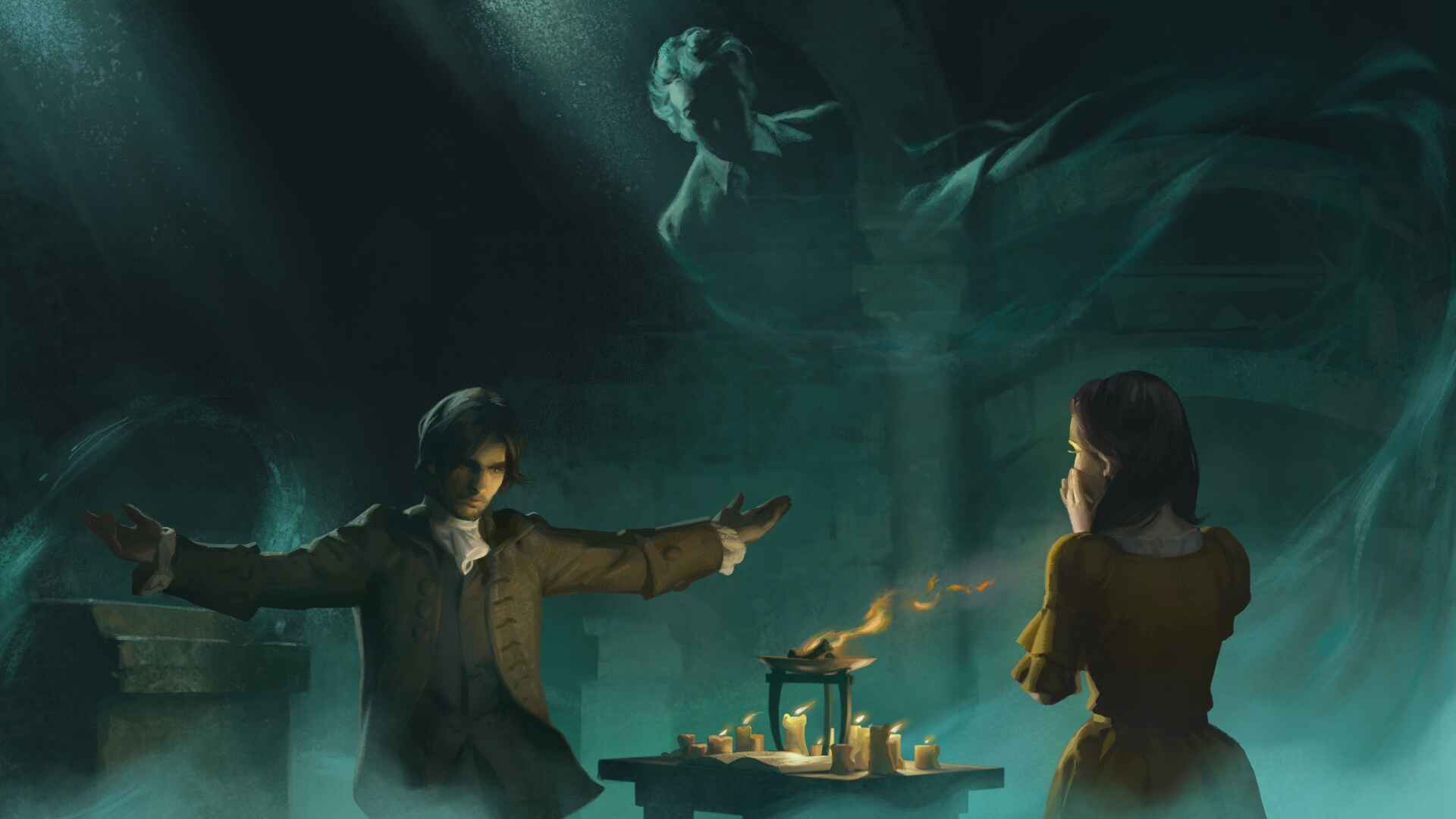
The game positions players as the offspring of a man who dabbled in dark powers during a war between Venice and Rulthsen, and the opening prologue doubles as a lengthy character-creation sequence that immediately ties your answers to nine core stats.
From the outset the title signals its priorities: story and character interaction.
The prologue is deliberately dense with personality and historical choices, allowing players to shape relationships and attributes before gameplay begins.
That approach delivers a layered narrative foundation, but it also demands a substantial time investment at the start of each new playthrough.
Rewriting notable lines for clarity: where the original commentary quipped that skeletal antagonists felt "stiff," a clearer assessment is that the game’s necromantic trappings and summoned skeletons never fully animate gameplay in a way that offsets mechanical shortcomings.
Similarly, the reviewer’s confession of a soft spot for skeletal sword-fighting is recast as a personal expectation that the title’s undead elements would provide consistent mechanical reward—an expectation only partially realized.
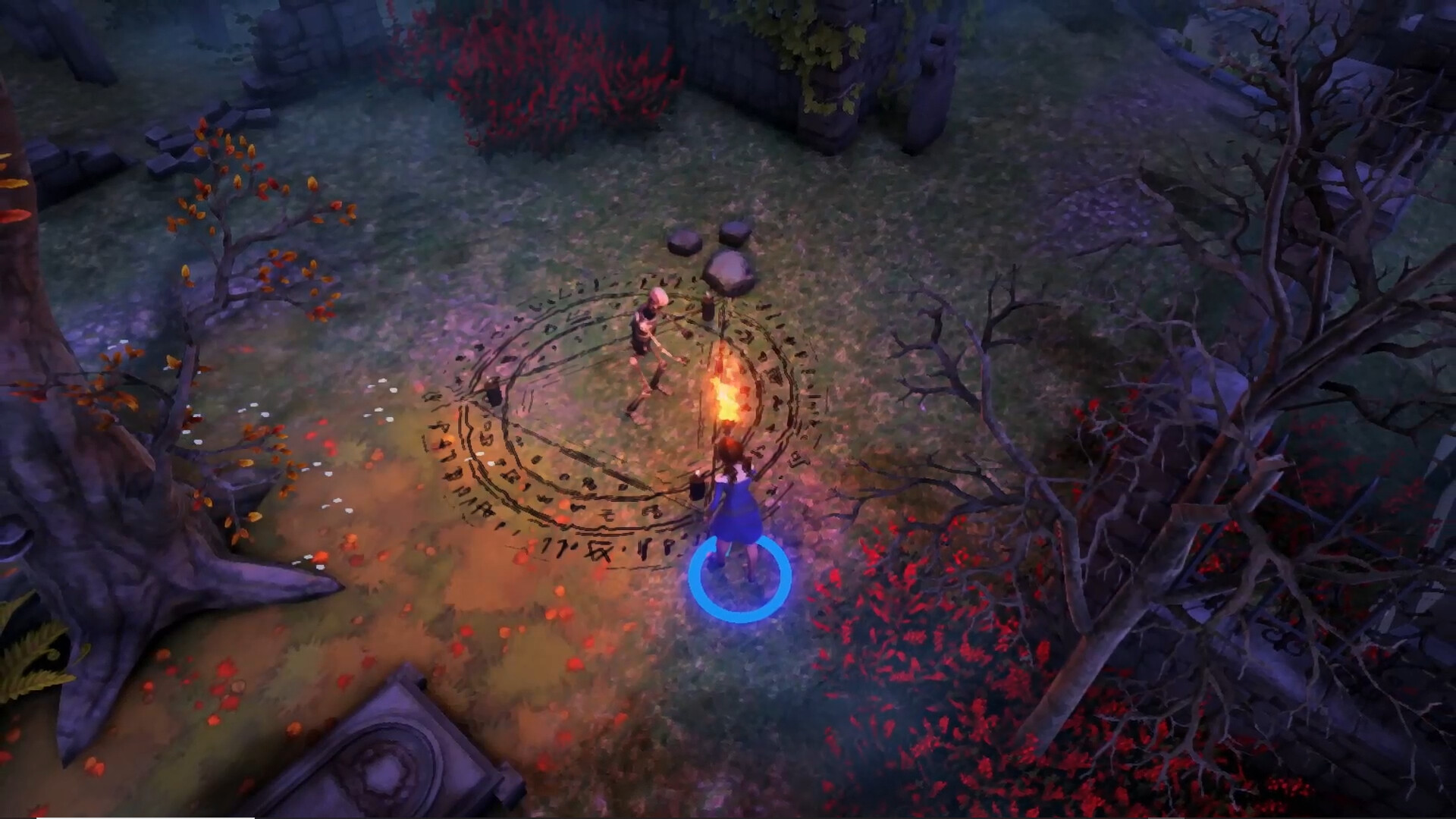
Mechanically, The Necromancer’s Tale uses a hexagonal, grid-based turn combat system that remains relatively static across encounters.
Battles rarely yield experience or tangible rewards in the standard sense, which undercuts motivation to repeat encounters given the control friction on Switch 2.
Movement and interaction are frequently criticized: the isometric camera can obscure which floor or path holds an interactable object, and using the control sticks to move the character or camera often produces unintended screen shifts.
Joy-Con mouse controls are supported but do not fully resolve the input issues.
Exploration tasks are structured in chapters that commonly revolve around translating a book of black magic and then securing recipes and spells by negotiating with NPCs.
The game’s freedom in solving puzzles and its relationship-driven consequences are among its strongest design choices—player decisions consistently affect how characters respond, and choices carry persistent weight.
Visually the game cultivates a creepy, lived-in village atmosphere suitable for skeleton companions, though reviewers note blurriness and a lack of fine detail in environments that complicate navigation.
Overall, the Title earns a middling score (6/10) in this assessment: its writing and worldbuilding are compelling, but the Switch 2 control and camera issues impede what would otherwise be a standout narrative RPG.
The game positions players as the offspring of a man who dabbled in dark powers during a war between Venice and Rulthsen, and the opening prologue doubles as a lengthy character-creation sequence that immediately ties your answers to nine core stats.
From the outset the title signals its priorities: story and character interaction.
The prologue is deliberately dense with personality and historical choices, allowing players to shape relationships and attributes before gameplay begins.
That approach delivers a layered narrative foundation, but it also demands a substantial time investment at the start of each new playthrough.
Rewriting notable lines for clarity: where the original commentary quipped that skeletal antagonists felt "stiff," a clearer assessment is that the game’s necromantic trappings and summoned skeletons never fully animate gameplay in a way that offsets mechanical shortcomings.
Similarly, the reviewer’s confession of a soft spot for skeletal sword-fighting is recast as a personal expectation that the title’s undead elements would provide consistent mechanical reward—an expectation only partially realized.
Mechanically, The Necromancer’s Tale uses a hexagonal, grid-based turn combat system that remains relatively static across encounters.
Battles rarely yield experience or tangible rewards in the standard sense, which undercuts motivation to repeat encounters given the control friction on Switch 2.
Movement and interaction are frequently criticized: the isometric camera can obscure which floor or path holds an interactable object, and using the control sticks to move the character or camera often produces unintended screen shifts.
Joy-Con mouse controls are supported but do not fully resolve the input issues.
Exploration tasks are structured in chapters that commonly revolve around translating a book of black magic and then securing recipes and spells by negotiating with NPCs.
The game’s freedom in solving puzzles and its relationship-driven consequences are among its strongest design choices—player decisions consistently affect how characters respond, and choices carry persistent weight.
Visually the game cultivates a creepy, lived-in village atmosphere suitable for skeleton companions, though reviewers note blurriness and a lack of fine detail in environments that complicate navigation.
Overall, the Title earns a middling score (6/10) in this assessment: its writing and worldbuilding are compelling, but the Switch 2 control and camera issues impede what would otherwise be a standout narrative RPG.