

Since its release in May 2023, The Legend of Zelda: Tears of the Kingdom on Nintendo Switch has stood as one of the most significant releases in Nintendo’s storied franchise.
As the direct sequel to the critically acclaimed The Legend of Zelda: Breath of the Wild, this title carries weighty expectations, not only from longtime Zelda enthusiasts but also from a new generation of players drawn by the series’ move to open-world gameplay.
Published and developed by Nintendo’s in-house teams, Tears of the Kingdom has achieved impressive sales milestones, quickly surpassing 10 million copies sold globally within its first three days, cementing its commercial success.
Building on Breath of the Wild’s sprawling, open-ended formula, Tears of the Kingdom introduces an array of innovative gameplay mechanics and a much larger world.
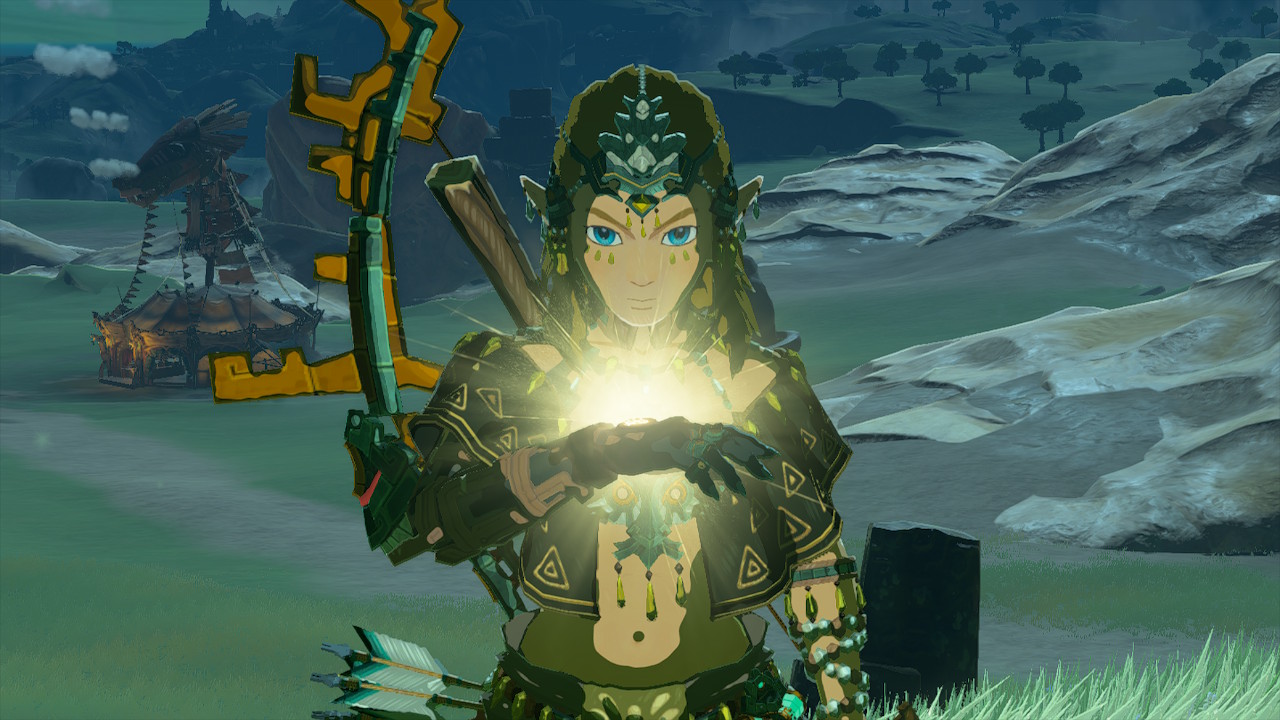
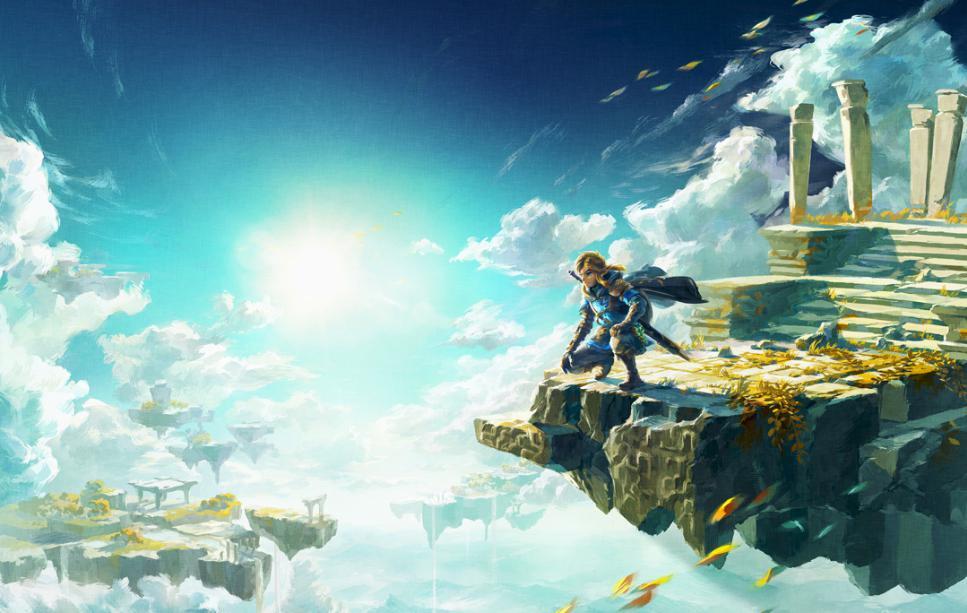
The freedom to explore its vast landscapes, featuring sky islands, deep subterranean depths, and expanded surface areas, is supported by newly introduced abilities.
The Ultrahand tool enables complex, three-dimensional crafting by allowing players to piece together items from the world, proving to be one of the game’s standout engineering achievements.
Meanwhile, supplementary abilities like Ascend, Recall, and Fuse add distinct layers to puzzles and combat, even if some fans feel the new powers can be cumbersome or under-utilized in certain scenarios.
In discussing these novel features, it’s important to highlight feedback from the Zelda community and critics.
Numerous reviews praise the ingenious systems and the creative problem-solving they enable—they drive home how Tears of the Kingdom’s gameplay stands unmatched in terms of versatility.
However, not all features have resonated universally; some players point out the tedium of repeatedly fusing items during battles, while others find themselves less compelled to experiment with every new mechanic offered.
The game’s storytelling follows in the footsteps of its predecessor, relying on memories scattered throughout Hyrule that can be accessed in any order.
This non-linear narrative approach offers players a great deal of freedom but risks a sense of detachment, as significant story beats can be missed or experienced in isolation.
Characterization of key figures like Ganondorf has garnered mixed reactions.
While his return is applauded, some players argue he lacks the presence and complexity seen in previous titles such as The Wind Waker or Twilight Princess.
Despite these critiques, the inclusion of voice acting and expanded cinematics marks a notable shift in presentation for the Zelda series—one embraced by many, though not all.
Dungeon design remains a major point of discussion.
While temples in Tears of the Kingdom have improved thematically and architecturally over those in Breath of the Wild, some fans contend that the increased player agency within dungeons can undermine their sense of discovery.
Providing full maps and visible objectives upfront, critics argue, can make exploration feel rote compared to the layered, mysterious layouts in classic Zelda games.
Boss encounters and environmental exploration have been widely recognized as strong points.
The introduction of varied and more puzzle-oriented bosses injected much-needed diversity into combat.
Additionally, new overworld elements, such as extensive cave systems, add rewarding biomes and challenges for explorers.
The depths and sky islands stand out as ambitious new layers, though opinions on their long-term appeal vary.
Despite reservations about similarity to Breath of the Wild’s art style, combat system, and menu structure, Tears of the Kingdom is heralded for its technical achievements.
Nintendo’s commitment to refining their proprietary open-world formula has led to one of the most feature-rich titles available on the Nintendo Switch and eShop, continuing the storied tradition of innovation in mainline Zelda releases.
Even among those who miss elements of classic Zelda dungeon and storytelling design, the consensus remains that Tears of the Kingdom is a must-play, demonstrating why the series maintains a key place in Nintendo Direct presentations and gaming history.
Ultimately, The Legend of Zelda: Tears of the Kingdom epitomizes Nintendo's ability to iterate boldly while respecting tradition.
Its commercial and critical success ensures that Zelda's evolution will remain a vital subject of conversation for years to come, whether fans yearn for further innovation or a revival of classic formulas.
As the direct sequel to the critically acclaimed The Legend of Zelda: Breath of the Wild, this title carries weighty expectations, not only from longtime Zelda enthusiasts but also from a new generation of players drawn by the series’ move to open-world gameplay.
Published and developed by Nintendo’s in-house teams, Tears of the Kingdom has achieved impressive sales milestones, quickly surpassing 10 million copies sold globally within its first three days, cementing its commercial success.
Building on Breath of the Wild’s sprawling, open-ended formula, Tears of the Kingdom introduces an array of innovative gameplay mechanics and a much larger world.
The freedom to explore its vast landscapes, featuring sky islands, deep subterranean depths, and expanded surface areas, is supported by newly introduced abilities.
The Ultrahand tool enables complex, three-dimensional crafting by allowing players to piece together items from the world, proving to be one of the game’s standout engineering achievements.
Meanwhile, supplementary abilities like Ascend, Recall, and Fuse add distinct layers to puzzles and combat, even if some fans feel the new powers can be cumbersome or under-utilized in certain scenarios.
In discussing these novel features, it’s important to highlight feedback from the Zelda community and critics.
Numerous reviews praise the ingenious systems and the creative problem-solving they enable—they drive home how Tears of the Kingdom’s gameplay stands unmatched in terms of versatility.
However, not all features have resonated universally; some players point out the tedium of repeatedly fusing items during battles, while others find themselves less compelled to experiment with every new mechanic offered.
The game’s storytelling follows in the footsteps of its predecessor, relying on memories scattered throughout Hyrule that can be accessed in any order.
This non-linear narrative approach offers players a great deal of freedom but risks a sense of detachment, as significant story beats can be missed or experienced in isolation.
Characterization of key figures like Ganondorf has garnered mixed reactions.
While his return is applauded, some players argue he lacks the presence and complexity seen in previous titles such as The Wind Waker or Twilight Princess.
Despite these critiques, the inclusion of voice acting and expanded cinematics marks a notable shift in presentation for the Zelda series—one embraced by many, though not all.
Dungeon design remains a major point of discussion.
While temples in Tears of the Kingdom have improved thematically and architecturally over those in Breath of the Wild, some fans contend that the increased player agency within dungeons can undermine their sense of discovery.
Providing full maps and visible objectives upfront, critics argue, can make exploration feel rote compared to the layered, mysterious layouts in classic Zelda games.
Boss encounters and environmental exploration have been widely recognized as strong points.
The introduction of varied and more puzzle-oriented bosses injected much-needed diversity into combat.
Additionally, new overworld elements, such as extensive cave systems, add rewarding biomes and challenges for explorers.
The depths and sky islands stand out as ambitious new layers, though opinions on their long-term appeal vary.
Despite reservations about similarity to Breath of the Wild’s art style, combat system, and menu structure, Tears of the Kingdom is heralded for its technical achievements.
Nintendo’s commitment to refining their proprietary open-world formula has led to one of the most feature-rich titles available on the Nintendo Switch and eShop, continuing the storied tradition of innovation in mainline Zelda releases.
Even among those who miss elements of classic Zelda dungeon and storytelling design, the consensus remains that Tears of the Kingdom is a must-play, demonstrating why the series maintains a key place in Nintendo Direct presentations and gaming history.
Ultimately, The Legend of Zelda: Tears of the Kingdom epitomizes Nintendo's ability to iterate boldly while respecting tradition.
Its commercial and critical success ensures that Zelda's evolution will remain a vital subject of conversation for years to come, whether fans yearn for further innovation or a revival of classic formulas.