
Sonic Frontiers Nintendo Switch Review: SEGA and Sonic Team’s Bold Open-Zone Reinvention
Since his inception in the early ’90s, Sonic the Hedgehog has been a pillar for SEGA and a beloved icon across the world.
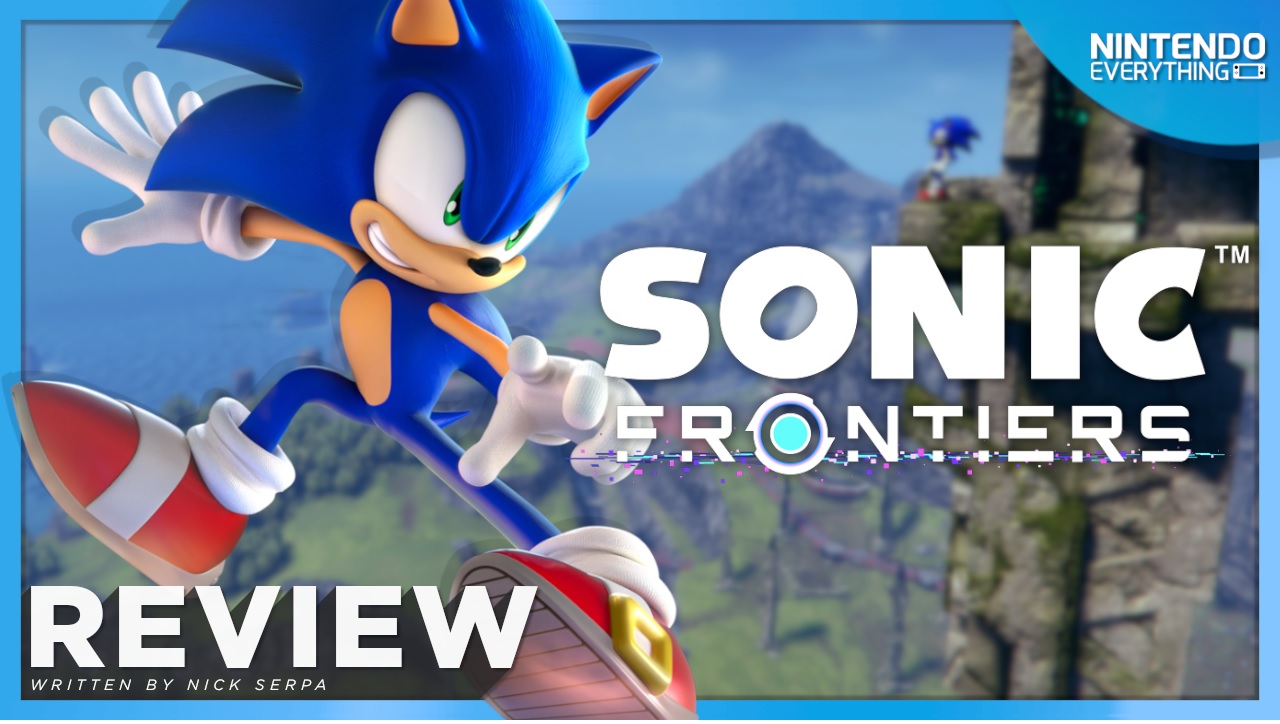
On November 8, 2022, SEGA and Sonic Team released Sonic Frontiers—the latest entry aiming to rejuvenate the legendary franchise—with a sweeping new approach: open-zone gameplay.
Available on Nintendo Switch, the game represents Sonic’s first full foray into open-world design, marking a significant shift in the series’ direction while striving to captivate both newcomers and long-time fans.
Setting the Stage: Open Zone Adventure Meets Classic Speed
Sonic Frontiers begins with a cinematic twist as Dr. Robotnik attempts to harness ancient technology, inadvertently trapping himself and Sonic’s friends, Amy and Tails, in the mysterious Cyberspace dimension.
After a brief escape sequence, Sonic awakens on the Starfall Islands—a lush yet visually subdued world—tasked with rescuing his companions and uncovering the secrets of Cyberspace.
Players explore five major self-contained open zones, traversing expansive landscapes peppered with platforming challenges, hidden collectibles, and formidable enemies.
Technical Hurdles on Switch Hardware
While Sonic Team’s leap into open-world territory is commendable, the Nintendo Switch version struggles technically.
The environmental visuals on the Starfall Islands lack the vibrancy and personality synonymous with Sonic’s universe.
Challenges with frame rate stability—frequently dropping below 30 frames per second—combine with blurry textures and severe pop-in issues.
According to SEGA statements framing the launch as a “global playtest,” the Switch release notably fails to maintain the crispness seen on more powerful platforms like PlayStation 5 or Xbox Series X.
Gameplay Innovations: Traversal, Combat, and Cyberspace Levels
Despite technical setbacks, Sonic Frontiers introduces engaging mechanics.
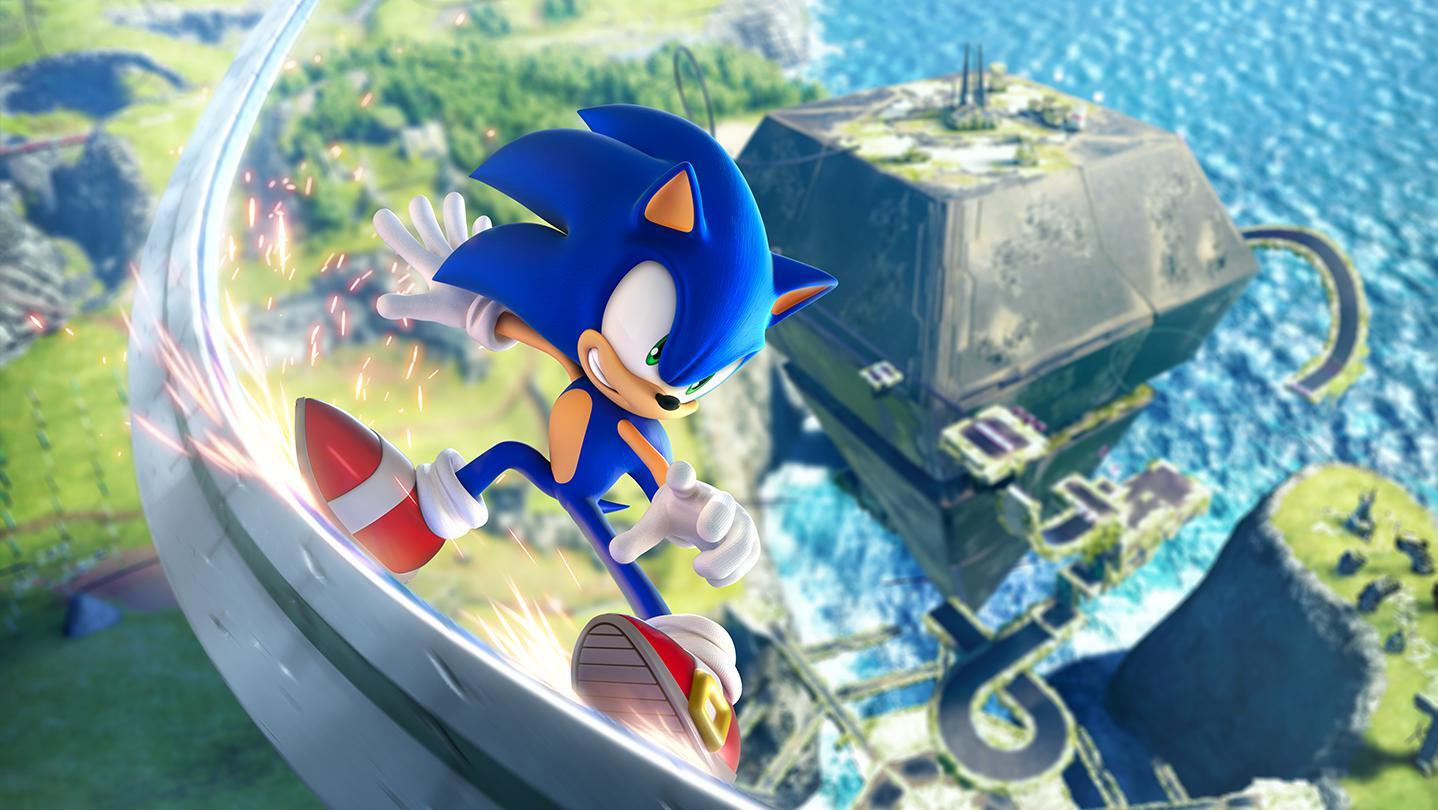
Exploration is refreshingly fast-paced, with Sonic bouncing across floating rails, platforms, and obstacles.
The series’ hallmark speed is leveraged in new traversal challenges, rewarding players with satisfying, if occasionally shallow, platforming experiences.
Combat is also overhauled, featuring a new skill tree system and the Cyloop ability, offering strategic ways to dismantle both minor foes and colossal bosses.
While some battles can feel button-mashy, the addition of accessible combo automation allows players to tailor the experience to their preferred depth.
Cyberspace levels are a highlight; these linear, high-energy stages reinterpret classic zones from past Sonic titles.
They stand out for their polished design, vibrant aesthetics, and reliably smooth performance—even on Switch.
Completing objectives within these stages awards keys necessary for story progression, creating a game loop that incentivizes mastery and replay.
Collectibles and Bloat: Navigating a Packed Open World
Progression in Sonic Frontiers hinges on accumulating an array of collectibles, including Portal Gears, Memory Tokens, and Kocos.
While these mechanics encourage thorough exploration, many players may find the sheer volume of items overwhelming, risking gameplay fatigue.
Some of these collectathons feel extraneous, detracting from the franchise’s traditional focus on speed and fluidity.
Supplementing the main campaign are various minigames, most notably a surprisingly enjoyable fishing mode featuring Big the Cat.
However, other side distractions can feel mandatory and less polished, standing in the way of the game’s core strengths.
Narrative and Character Execution
The storytelling in Sonic Frontiers revolves around unraveling the mysteries of Cyberspace and a new character, Sage.
Dialogue is delivered largely through interactions with holographic allies, often resulting in repetitive exchanges and slow narrative pacing.
Dr. Robotnik—whose performance remains a highlight—is underused for much of the adventure, while the plot itself struggles to maintain momentum until its final act.
The Verdict: Mixed Results and Glimpses of the Future
Sonic Frontiers is a bold, if uneven, experiment for SEGA and Sonic Team.
The innovative open-zone gameplay and dynamic combat systems demonstrate clear progress for the franchise.
However, on Nintendo Switch, technical challenges, unremarkable visual design, and excessive item collecting prevent the game from fully realizing its potential.
For fans willing to overlook hardware limitations and bloat, Sonic Frontiers offers enough bursts of thrilling Sonic gameplay—as seen in its Cyberspace stages and boss encounters—to warrant a playthrough.
Ultimately, this title lays a promising foundation for Sonic’s future, provided that future installments can marry innovation with technical polish and the unmistakable Sonic charisma.
Sonic Frontiers is available on Nintendo Switch, PlayStation 5, Xbox Series X, and additional platforms.
Review code was provided by SEGA.
Since his inception in the early ’90s, Sonic the Hedgehog has been a pillar for SEGA and a beloved icon across the world.
On November 8, 2022, SEGA and Sonic Team released Sonic Frontiers—the latest entry aiming to rejuvenate the legendary franchise—with a sweeping new approach: open-zone gameplay.
Available on Nintendo Switch, the game represents Sonic’s first full foray into open-world design, marking a significant shift in the series’ direction while striving to captivate both newcomers and long-time fans.
Setting the Stage: Open Zone Adventure Meets Classic Speed
Sonic Frontiers begins with a cinematic twist as Dr. Robotnik attempts to harness ancient technology, inadvertently trapping himself and Sonic’s friends, Amy and Tails, in the mysterious Cyberspace dimension.
After a brief escape sequence, Sonic awakens on the Starfall Islands—a lush yet visually subdued world—tasked with rescuing his companions and uncovering the secrets of Cyberspace.
Players explore five major self-contained open zones, traversing expansive landscapes peppered with platforming challenges, hidden collectibles, and formidable enemies.
Technical Hurdles on Switch Hardware
While Sonic Team’s leap into open-world territory is commendable, the Nintendo Switch version struggles technically.
The environmental visuals on the Starfall Islands lack the vibrancy and personality synonymous with Sonic’s universe.
Challenges with frame rate stability—frequently dropping below 30 frames per second—combine with blurry textures and severe pop-in issues.
According to SEGA statements framing the launch as a “global playtest,” the Switch release notably fails to maintain the crispness seen on more powerful platforms like PlayStation 5 or Xbox Series X.
Gameplay Innovations: Traversal, Combat, and Cyberspace Levels
Despite technical setbacks, Sonic Frontiers introduces engaging mechanics.
Exploration is refreshingly fast-paced, with Sonic bouncing across floating rails, platforms, and obstacles.
The series’ hallmark speed is leveraged in new traversal challenges, rewarding players with satisfying, if occasionally shallow, platforming experiences.
Combat is also overhauled, featuring a new skill tree system and the Cyloop ability, offering strategic ways to dismantle both minor foes and colossal bosses.
While some battles can feel button-mashy, the addition of accessible combo automation allows players to tailor the experience to their preferred depth.
Cyberspace levels are a highlight; these linear, high-energy stages reinterpret classic zones from past Sonic titles.
They stand out for their polished design, vibrant aesthetics, and reliably smooth performance—even on Switch.
Completing objectives within these stages awards keys necessary for story progression, creating a game loop that incentivizes mastery and replay.
Collectibles and Bloat: Navigating a Packed Open World
Progression in Sonic Frontiers hinges on accumulating an array of collectibles, including Portal Gears, Memory Tokens, and Kocos.
While these mechanics encourage thorough exploration, many players may find the sheer volume of items overwhelming, risking gameplay fatigue.
Some of these collectathons feel extraneous, detracting from the franchise’s traditional focus on speed and fluidity.
Supplementing the main campaign are various minigames, most notably a surprisingly enjoyable fishing mode featuring Big the Cat.
However, other side distractions can feel mandatory and less polished, standing in the way of the game’s core strengths.
Narrative and Character Execution
The storytelling in Sonic Frontiers revolves around unraveling the mysteries of Cyberspace and a new character, Sage.
Dialogue is delivered largely through interactions with holographic allies, often resulting in repetitive exchanges and slow narrative pacing.
Dr. Robotnik—whose performance remains a highlight—is underused for much of the adventure, while the plot itself struggles to maintain momentum until its final act.
The Verdict: Mixed Results and Glimpses of the Future
Sonic Frontiers is a bold, if uneven, experiment for SEGA and Sonic Team.
The innovative open-zone gameplay and dynamic combat systems demonstrate clear progress for the franchise.
However, on Nintendo Switch, technical challenges, unremarkable visual design, and excessive item collecting prevent the game from fully realizing its potential.
For fans willing to overlook hardware limitations and bloat, Sonic Frontiers offers enough bursts of thrilling Sonic gameplay—as seen in its Cyberspace stages and boss encounters—to warrant a playthrough.
Ultimately, this title lays a promising foundation for Sonic’s future, provided that future installments can marry innovation with technical polish and the unmistakable Sonic charisma.
Sonic Frontiers is available on Nintendo Switch, PlayStation 5, Xbox Series X, and additional platforms.
Review code was provided by SEGA.