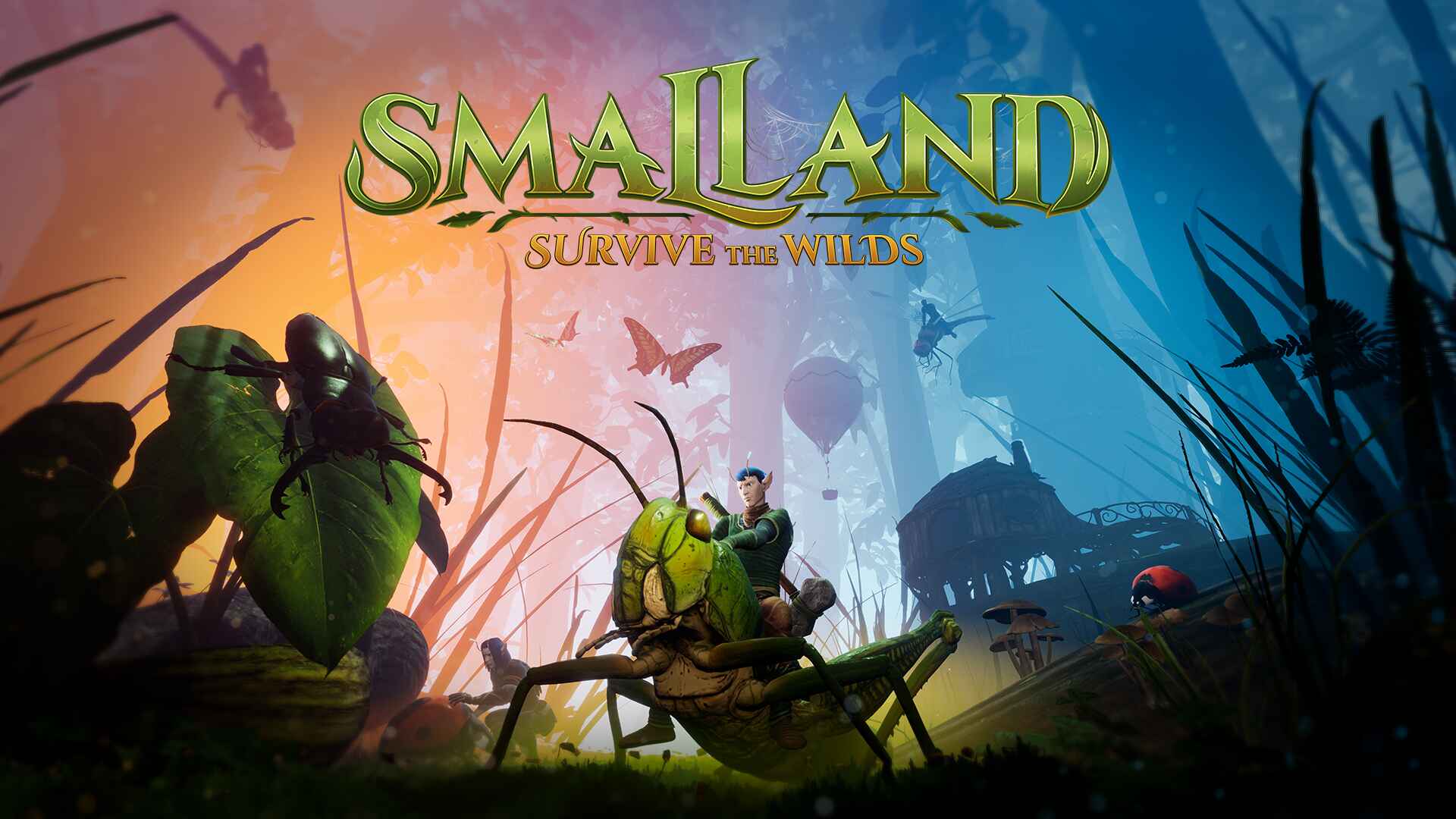

Smalland: Survive the Wilds on Nintendo Switch 2 distills classic survival-game mechanics into a miniature world where crafting and exploration drive progression.
Published by Merge Games and available on Nintendo platforms including the Nintendo Switch family and the Nintendo eShop, Smalland tasks players with guiding diminutive settlers—the Smallfolk—back into the Overworld to establish a colony, build bases, and contend with oversized insects and environmental hazards.
From the opening moments, the game situates players in a survival loop built around gathering, crafting, and base management.
The reviewer summarized the core sentiment by noting that mastering crafting was essential to survival, effectively stating that a solid grasp of item creation was the difference between life and repeated respawns.
That idea underpins most encounters: you collect materials, improve armor and tools, and return to a home base to sleep, store resources, and craft upgrades before venturing further.
Combat in Smalland is deliberately straightforward—attack, dodge, block—but frequently challenging due to enemy numbers and the scale of threats.
Lesser creatures can present major risks when encountered in groups, and death drops your inventory at the location of your defeat; retrieving those items after respawning is a practical safety mechanic that keeps losses from feeling irretrievable.
As players progress they can tame certain hostile fauna, turning threats such as scorpions into mounts and tools for traversal.
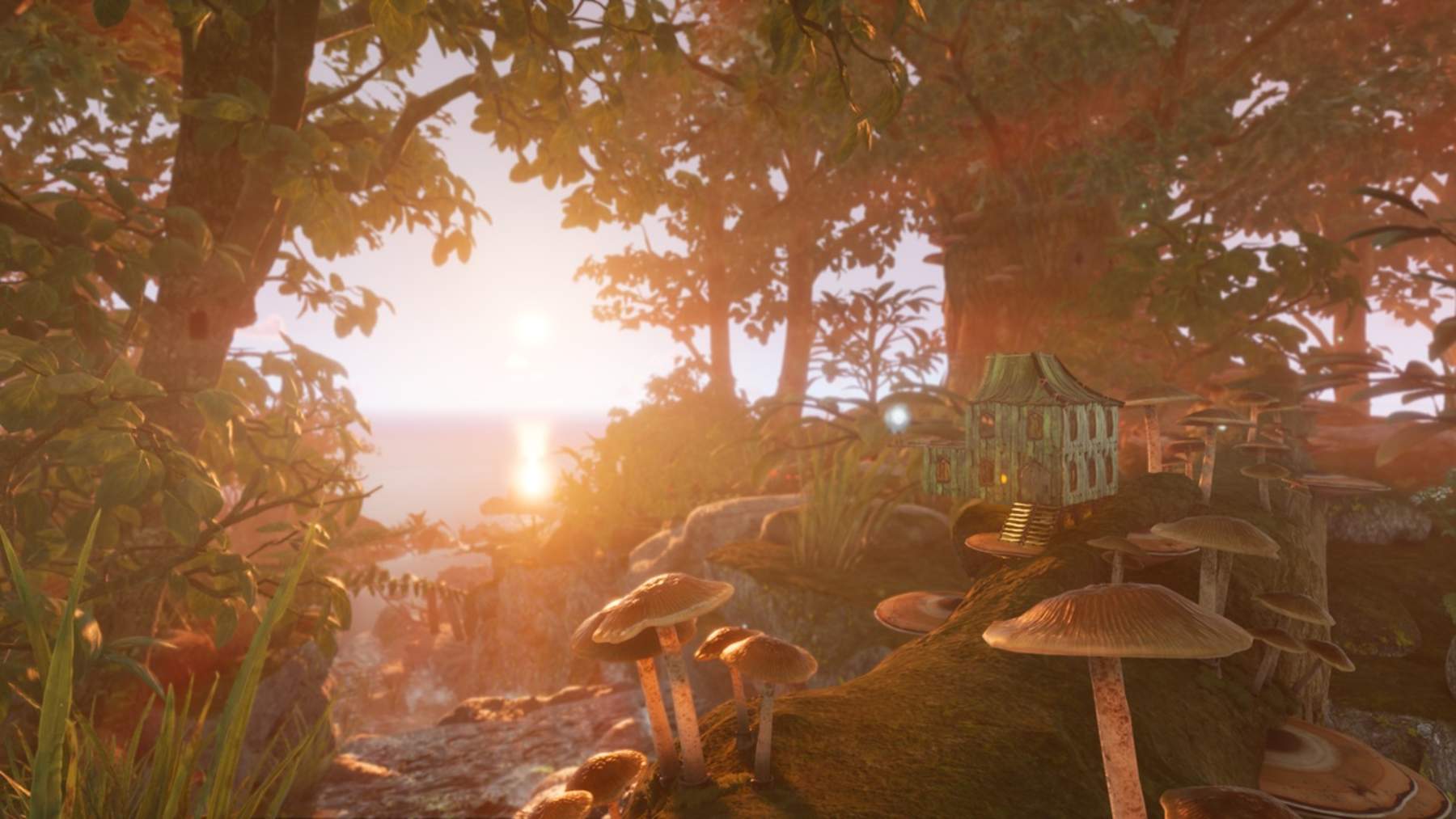
Exploration is the strongest element on the Nintendo Switch 2, where visual fidelity and level design reward curiosity.
The game offers varied biomes and hidden areas that encourage players to uncover shortcuts and resources, and flight abilities later in the campaign expand traversal options significantly.
By contrast, the single-player narrative remains light: NPCs primarily provide tutorials and quests rather than a deep story-driven arc, leaving progression largely motivated by gameplay goals.
Multiplayer is a core selling point: up to ten players can cooperate to reclaim the Overworld together.
However, the game’s server model ties a specific Overworld to its host; if the player who created the server is offline, that particular world cannot be rejoined, which limits persistent shared progression and often relegates players to single-player or separate servers.
Overall, Smalland: Survive the Wilds delivers a solid survival experience built on crafting, base-building, and exploration.
The review assigned a 7/10 score, calling it a good title for genre fans—especially on Nintendo Switch 2—while noting that the thin narrative and certain multiplayer limitations keep it from reaching broader appeal.
Published by Merge Games and available on Nintendo platforms including the Nintendo Switch family and the Nintendo eShop, Smalland tasks players with guiding diminutive settlers—the Smallfolk—back into the Overworld to establish a colony, build bases, and contend with oversized insects and environmental hazards.
From the opening moments, the game situates players in a survival loop built around gathering, crafting, and base management.
The reviewer summarized the core sentiment by noting that mastering crafting was essential to survival, effectively stating that a solid grasp of item creation was the difference between life and repeated respawns.
That idea underpins most encounters: you collect materials, improve armor and tools, and return to a home base to sleep, store resources, and craft upgrades before venturing further.
Combat in Smalland is deliberately straightforward—attack, dodge, block—but frequently challenging due to enemy numbers and the scale of threats.
Lesser creatures can present major risks when encountered in groups, and death drops your inventory at the location of your defeat; retrieving those items after respawning is a practical safety mechanic that keeps losses from feeling irretrievable.
As players progress they can tame certain hostile fauna, turning threats such as scorpions into mounts and tools for traversal.
Exploration is the strongest element on the Nintendo Switch 2, where visual fidelity and level design reward curiosity.
The game offers varied biomes and hidden areas that encourage players to uncover shortcuts and resources, and flight abilities later in the campaign expand traversal options significantly.
By contrast, the single-player narrative remains light: NPCs primarily provide tutorials and quests rather than a deep story-driven arc, leaving progression largely motivated by gameplay goals.
Multiplayer is a core selling point: up to ten players can cooperate to reclaim the Overworld together.
However, the game’s server model ties a specific Overworld to its host; if the player who created the server is offline, that particular world cannot be rejoined, which limits persistent shared progression and often relegates players to single-player or separate servers.
Overall, Smalland: Survive the Wilds delivers a solid survival experience built on crafting, base-building, and exploration.
The review assigned a 7/10 score, calling it a good title for genre fans—especially on Nintendo Switch 2—while noting that the thin narrative and certain multiplayer limitations keep it from reaching broader appeal.