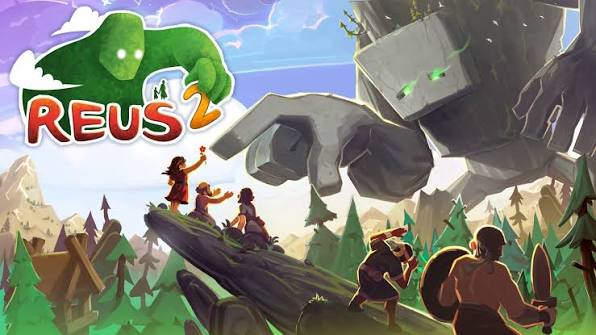
Reus 2 has landed on Nintendo Switch, bringing with it a distinctive take on the god game genre that emphasizes creativity, experimentation, and slow-burn strategy.
Developed by Ploeg Studio and published by Abbey Games, Reus 2 builds upon the unique foundation set by its predecessor, inviting players to shape planets and observe how civilizations develop within the worlds they create.
Rather than offering fast-paced action or direct control of inhabitants, the game asks players to think deeply, experiment, and learn through trial and error—a refreshing approach in the current gaming landscape.
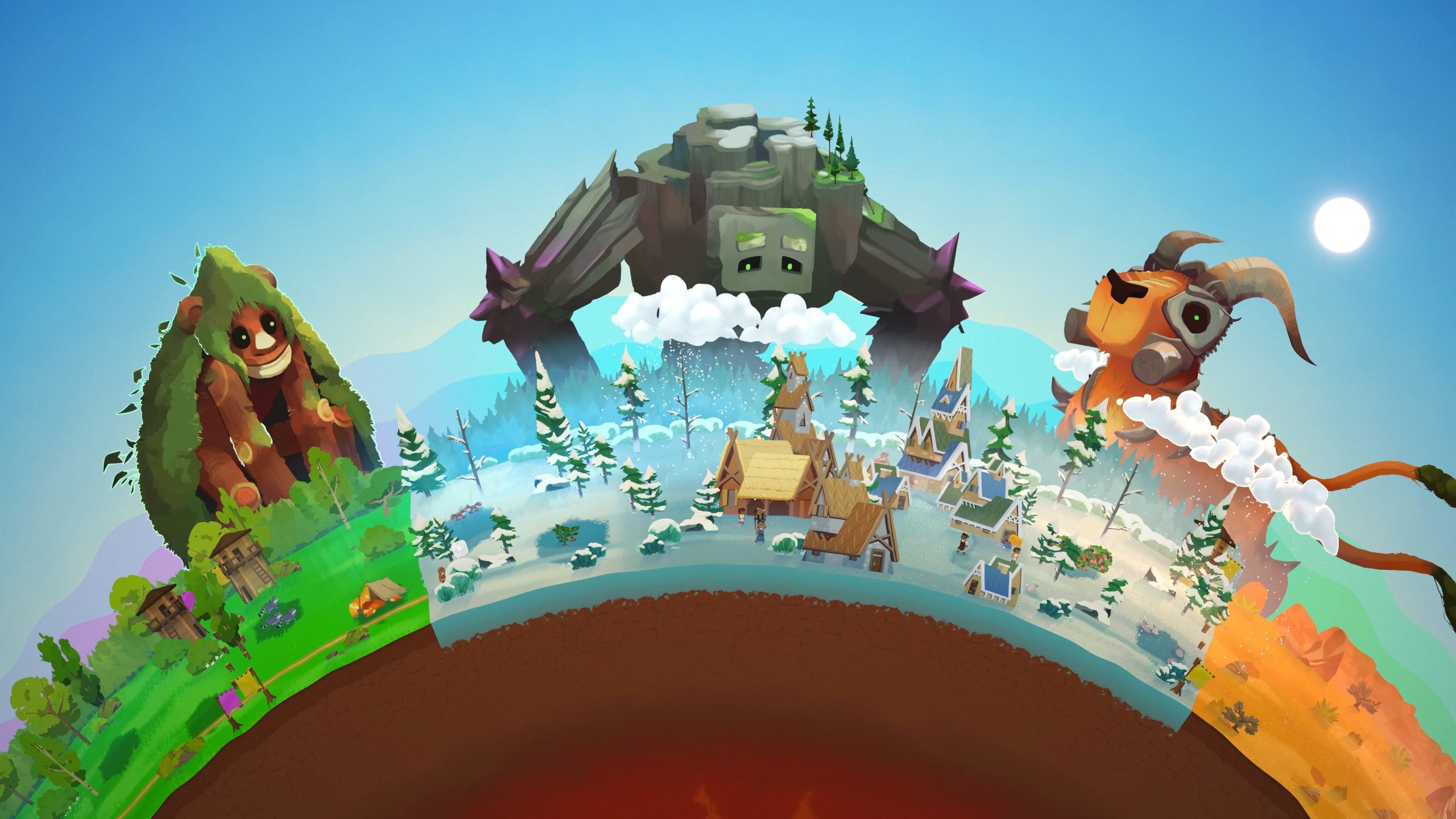
In Reus 2, you take on the role of giant elemental beings tasked with shaping diverse landscapes.
Instead of micromanaging individual settlers, you manipulate the environment by placing forests, mountains, oceans, wildlife, and valuable resources.
Once your planetary creation is set, civilizations emerge and interact with your work, sometimes prospering and other times faltering.
The outcome is often a direct result of the environmental choices you made, encouraging a cycle of thoughtful experimentation and gradual mastery.
What sets Reus 2 apart, especially on Nintendo Switch, is its stress-free approach to gameplay.
Players aren’t pressured to adhere to rigid rules or punished harshly for making mistakes.
The experience is about discovery—trying out new land formations, observing outcomes, and revising strategies.
In a statement about the design philosophy, the developers have emphasized that Reus 2 is meant to make players "feel like gardeners tending to their worlds," fostering an atmosphere that promotes learning and experimentation over fast reflexes or instant gratification.
Visually, Reus 2 offers clean and vibrant art that makes monitoring planetary changes effortless, even during extended play sessions.
The understated soundtrack complements the game's relaxing tempo, avoiding intrusive or repetitive audio cues.
This harmony between visuals and audio allows players to become immersed in the slow, organic rhythms of planetary development.
The Nintendo Switch version of Reus 2, available via the Switch eShop, introduces a new layer of accessibility to the series.
However, adapting a game initially designed for mouse and keyboard to controller-based input comes with its challenges.
Some players may find menu navigation and text readability to be less intuitive, a common issue when strategy games transition to consoles.
While not a deal-breaker, it’s an aspect that may require patience or adjustment from longtime strategy fans familiar with PC controls.
Ultimately, Reus 2 is not a game for those seeking quick action or constant excitement.
It’s designed for players who appreciate creative freedom and the satisfaction of watching systems interact and evolve over time.
If you enjoy games that reward contemplation, experimentation, and incremental progress, Reus 2 on Nintendo Switch is a compelling addition to your collection.
In summary, Reus 2 delivers a thoughtful and meditative god game experience that fits well within the Nintendo ecosystem.
While its slower pace and controller-adapted interface may not appeal to everyone, fans of creative sandbox and strategy titles are likely to find the journey both rewarding and relaxing.
Developed by Ploeg Studio and published by Abbey Games, Reus 2 builds upon the unique foundation set by its predecessor, inviting players to shape planets and observe how civilizations develop within the worlds they create.
Rather than offering fast-paced action or direct control of inhabitants, the game asks players to think deeply, experiment, and learn through trial and error—a refreshing approach in the current gaming landscape.
In Reus 2, you take on the role of giant elemental beings tasked with shaping diverse landscapes.
Instead of micromanaging individual settlers, you manipulate the environment by placing forests, mountains, oceans, wildlife, and valuable resources.
Once your planetary creation is set, civilizations emerge and interact with your work, sometimes prospering and other times faltering.
The outcome is often a direct result of the environmental choices you made, encouraging a cycle of thoughtful experimentation and gradual mastery.
What sets Reus 2 apart, especially on Nintendo Switch, is its stress-free approach to gameplay.
Players aren’t pressured to adhere to rigid rules or punished harshly for making mistakes.
The experience is about discovery—trying out new land formations, observing outcomes, and revising strategies.
In a statement about the design philosophy, the developers have emphasized that Reus 2 is meant to make players "feel like gardeners tending to their worlds," fostering an atmosphere that promotes learning and experimentation over fast reflexes or instant gratification.
Visually, Reus 2 offers clean and vibrant art that makes monitoring planetary changes effortless, even during extended play sessions.
The understated soundtrack complements the game's relaxing tempo, avoiding intrusive or repetitive audio cues.
This harmony between visuals and audio allows players to become immersed in the slow, organic rhythms of planetary development.
The Nintendo Switch version of Reus 2, available via the Switch eShop, introduces a new layer of accessibility to the series.
However, adapting a game initially designed for mouse and keyboard to controller-based input comes with its challenges.
Some players may find menu navigation and text readability to be less intuitive, a common issue when strategy games transition to consoles.
While not a deal-breaker, it’s an aspect that may require patience or adjustment from longtime strategy fans familiar with PC controls.
Ultimately, Reus 2 is not a game for those seeking quick action or constant excitement.
It’s designed for players who appreciate creative freedom and the satisfaction of watching systems interact and evolve over time.
If you enjoy games that reward contemplation, experimentation, and incremental progress, Reus 2 on Nintendo Switch is a compelling addition to your collection.
In summary, Reus 2 delivers a thoughtful and meditative god game experience that fits well within the Nintendo ecosystem.
While its slower pace and controller-adapted interface may not appeal to everyone, fans of creative sandbox and strategy titles are likely to find the journey both rewarding and relaxing.