
Metroid Prime 4: Beyond Review – A Technical Triumph and Bold New Direction on Nintendo Switch 2
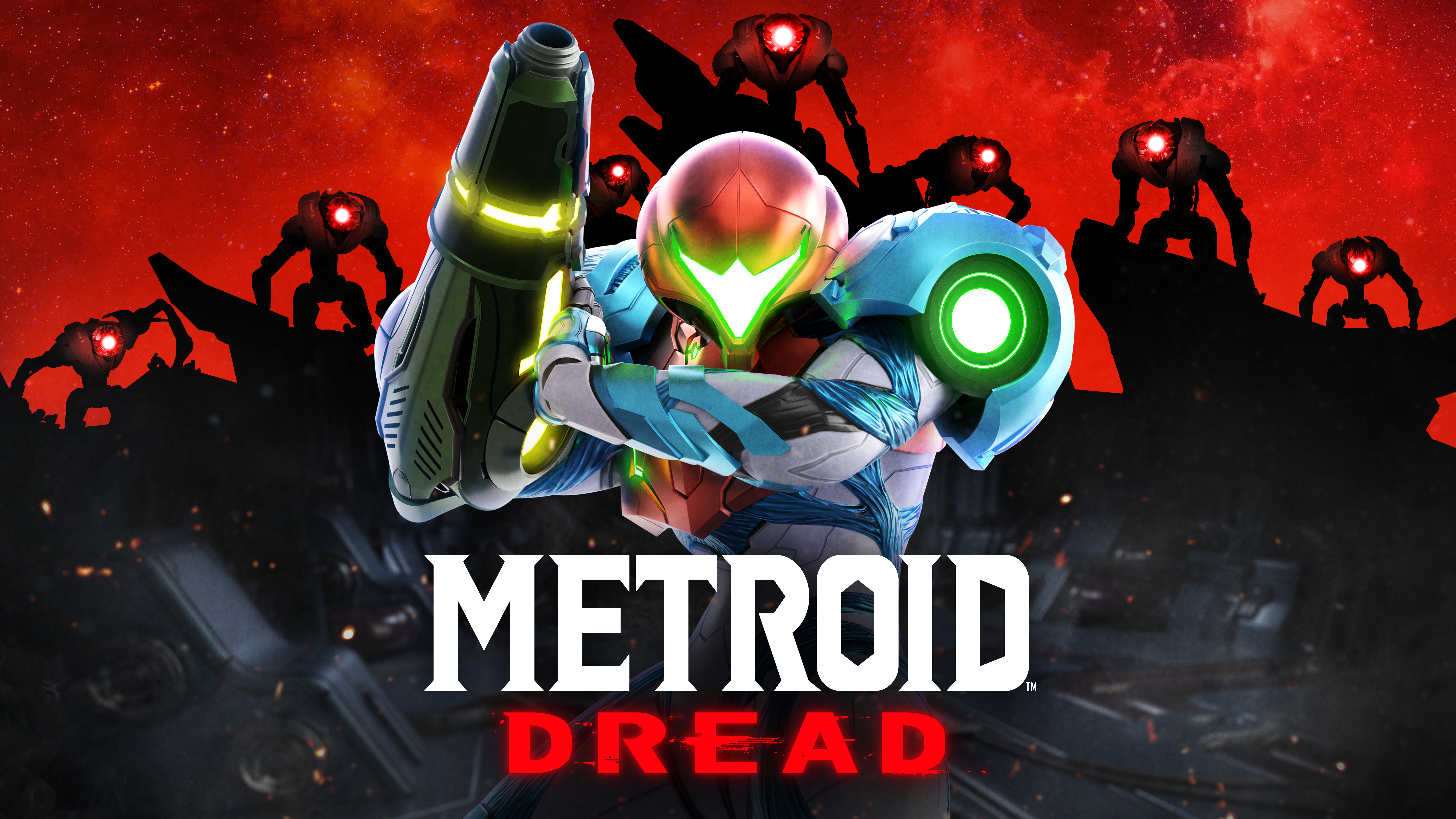
After years of anticipation, Metroid Prime 4: Beyond has finally graced the Nintendo Switch and the newly launched Nintendo Switch 2, marking a triumphant if somewhat unconventional return to the critically acclaimed franchise.
Originally unveiled in 2017, Metroid Prime 4 endured a troubled development cycle—first under Bandai Namco’s stewardship, then rebooted and entrusted to Retro Studios, creators of the original trilogy, in 2019.
That transition reinvigorated fans, but also set expectations sky-high, especially as the title followed in the footsteps of its celebrated predecessors and carried the weight of nearly a decade’s hype.
The narrative of Metroid Prime 4: Beyond follows Samus Aran after a series of ferocious Space Pirate assaults led by the enigmatic Sylux.
A catastrophic event at a Galactic Federation research facility results in Samus being teleported to the mysterious planet Viewros, home to the psychic and inventive Lamorn civilization.
Tasked with unraveling the legacy of the Lamorn and retrieving five scattered keys, Samus is equipped with new psychic abilities and joined by a more talkative cast of stranded Federation Troopers who occasionally offer hints and guidance along her journey.
This marks a notable departure from the series’ classic tone of solitude and minimal extraneous dialogue.
Retro Studios’ approach to Metroid Prime 4: Beyond leans toward a self-contained, exploration-driven story, focusing less on longstanding lore regarding Sylux and more on the brand-new mysteries of Viewros.
Although the game introduces Sylux’s menace early on, his role feels insubstantial in the grand narrative arc, leaving fans wanting more given his build-up since Metroid Prime 3: Corruption.
Logbook entries, a traditional source of atmospheric world-building, also offer less depth than previous entries, which may leave dedicated series followers longing for the narrative richness of past games.
Notably, Beyond introduces new elements like Vi-O-La, a futuristic motorcycle that lets players traverse the open expanses of Sol Valley, blending classic Metroid design with more contemporary open-world sensibilities.
While this addition brings a new flavor to exploration, early segments harken back to the series’ iconic atmosphere: isolated, tense, and laden with discovery.
Gameplay remains firmly rooted in the celebrated Metroid Prime formula—investigating interconnected regions, acquiring upgrades, unlocking pathways, and overcoming inventive puzzles and formidable bosses.
The psychic abilities inject freshness, allowing Samus to materialize platforms, manipulate beam shots, and levitate bombs, each cleverly integrated into environmental challenges.
Standard combat is complemented by challenging boss encounters and high-stakes enemy confrontations, demanding both quick reflexes and thoughtful strategy.
The game clocks in at around ten to fifteen hours for a first playthrough, mirroring the length of previous titles, and offers solid replay value via completion rewards, unlockable hard mode, and opportunities for speedrunning.
Visually, Metroid Prime 4: Beyond is a showcase for Nintendo’s new hardware.
On Switch 2, players choose between a Quality Mode (4K 60fps docked/1080p 60fps handheld) and a Performance Mode (1080p 120fps docked/720p 120fps handheld), with both delivering vibrant, detailed worlds bathed in color and bathed in atmospheric lighting.
The game’s upgraded HD Rumble provides tactile immersion, while enhanced control options—including mouse support, dual-stick, gyroscopic, and comprehensive button mapping—make for accessible and customizable gameplay experiences.
Despite these technical and mechanical triumphs, the game introduces several contentious design choices.
The expanded cast of NPCs, more cheerful tonality, and less mysterious biomes stray from series traditions, sometimes breaking immersion for veteran fans.
Exploration is occasionally guided a little too heavily, and while new powers shine, not all upgrades feel equally impactful.
Boss, enemy, and biome variety sometimes fall short of the high bar set by previous entries.
Nevertheless, Metroid Prime 4: Beyond stands as both a technical marvel and a compelling action-adventure experience.
While it may divide longtime fans with its narrative shifts and new tone, it heralds a promising new era for Metroid on Nintendo Switch 2, blending the franchise’s timeless appeal with innovative gameplay and industry-leading visuals.
For those seeking a polished, thrilling journey with Samus Aran, Beyond is a must-play addition to the Switch 2 library, even if it doesn’t surpass the legend of its forebears.
A review copy of Metroid Prime 4: Beyond – Nintendo Switch 2 Edition was provided by Nintendo UK for review purposes.
After years of anticipation, Metroid Prime 4: Beyond has finally graced the Nintendo Switch and the newly launched Nintendo Switch 2, marking a triumphant if somewhat unconventional return to the critically acclaimed franchise.
Originally unveiled in 2017, Metroid Prime 4 endured a troubled development cycle—first under Bandai Namco’s stewardship, then rebooted and entrusted to Retro Studios, creators of the original trilogy, in 2019.
That transition reinvigorated fans, but also set expectations sky-high, especially as the title followed in the footsteps of its celebrated predecessors and carried the weight of nearly a decade’s hype.
The narrative of Metroid Prime 4: Beyond follows Samus Aran after a series of ferocious Space Pirate assaults led by the enigmatic Sylux.
A catastrophic event at a Galactic Federation research facility results in Samus being teleported to the mysterious planet Viewros, home to the psychic and inventive Lamorn civilization.
Tasked with unraveling the legacy of the Lamorn and retrieving five scattered keys, Samus is equipped with new psychic abilities and joined by a more talkative cast of stranded Federation Troopers who occasionally offer hints and guidance along her journey.
This marks a notable departure from the series’ classic tone of solitude and minimal extraneous dialogue.
Retro Studios’ approach to Metroid Prime 4: Beyond leans toward a self-contained, exploration-driven story, focusing less on longstanding lore regarding Sylux and more on the brand-new mysteries of Viewros.
Although the game introduces Sylux’s menace early on, his role feels insubstantial in the grand narrative arc, leaving fans wanting more given his build-up since Metroid Prime 3: Corruption.
Logbook entries, a traditional source of atmospheric world-building, also offer less depth than previous entries, which may leave dedicated series followers longing for the narrative richness of past games.
Notably, Beyond introduces new elements like Vi-O-La, a futuristic motorcycle that lets players traverse the open expanses of Sol Valley, blending classic Metroid design with more contemporary open-world sensibilities.
While this addition brings a new flavor to exploration, early segments harken back to the series’ iconic atmosphere: isolated, tense, and laden with discovery.
Gameplay remains firmly rooted in the celebrated Metroid Prime formula—investigating interconnected regions, acquiring upgrades, unlocking pathways, and overcoming inventive puzzles and formidable bosses.
The psychic abilities inject freshness, allowing Samus to materialize platforms, manipulate beam shots, and levitate bombs, each cleverly integrated into environmental challenges.
Standard combat is complemented by challenging boss encounters and high-stakes enemy confrontations, demanding both quick reflexes and thoughtful strategy.
The game clocks in at around ten to fifteen hours for a first playthrough, mirroring the length of previous titles, and offers solid replay value via completion rewards, unlockable hard mode, and opportunities for speedrunning.
Visually, Metroid Prime 4: Beyond is a showcase for Nintendo’s new hardware.
On Switch 2, players choose between a Quality Mode (4K 60fps docked/1080p 60fps handheld) and a Performance Mode (1080p 120fps docked/720p 120fps handheld), with both delivering vibrant, detailed worlds bathed in color and bathed in atmospheric lighting.
The game’s upgraded HD Rumble provides tactile immersion, while enhanced control options—including mouse support, dual-stick, gyroscopic, and comprehensive button mapping—make for accessible and customizable gameplay experiences.
Despite these technical and mechanical triumphs, the game introduces several contentious design choices.
The expanded cast of NPCs, more cheerful tonality, and less mysterious biomes stray from series traditions, sometimes breaking immersion for veteran fans.
Exploration is occasionally guided a little too heavily, and while new powers shine, not all upgrades feel equally impactful.
Boss, enemy, and biome variety sometimes fall short of the high bar set by previous entries.
Nevertheless, Metroid Prime 4: Beyond stands as both a technical marvel and a compelling action-adventure experience.
While it may divide longtime fans with its narrative shifts and new tone, it heralds a promising new era for Metroid on Nintendo Switch 2, blending the franchise’s timeless appeal with innovative gameplay and industry-leading visuals.
For those seeking a polished, thrilling journey with Samus Aran, Beyond is a must-play addition to the Switch 2 library, even if it doesn’t surpass the legend of its forebears.
A review copy of Metroid Prime 4: Beyond – Nintendo Switch 2 Edition was provided by Nintendo UK for review purposes.