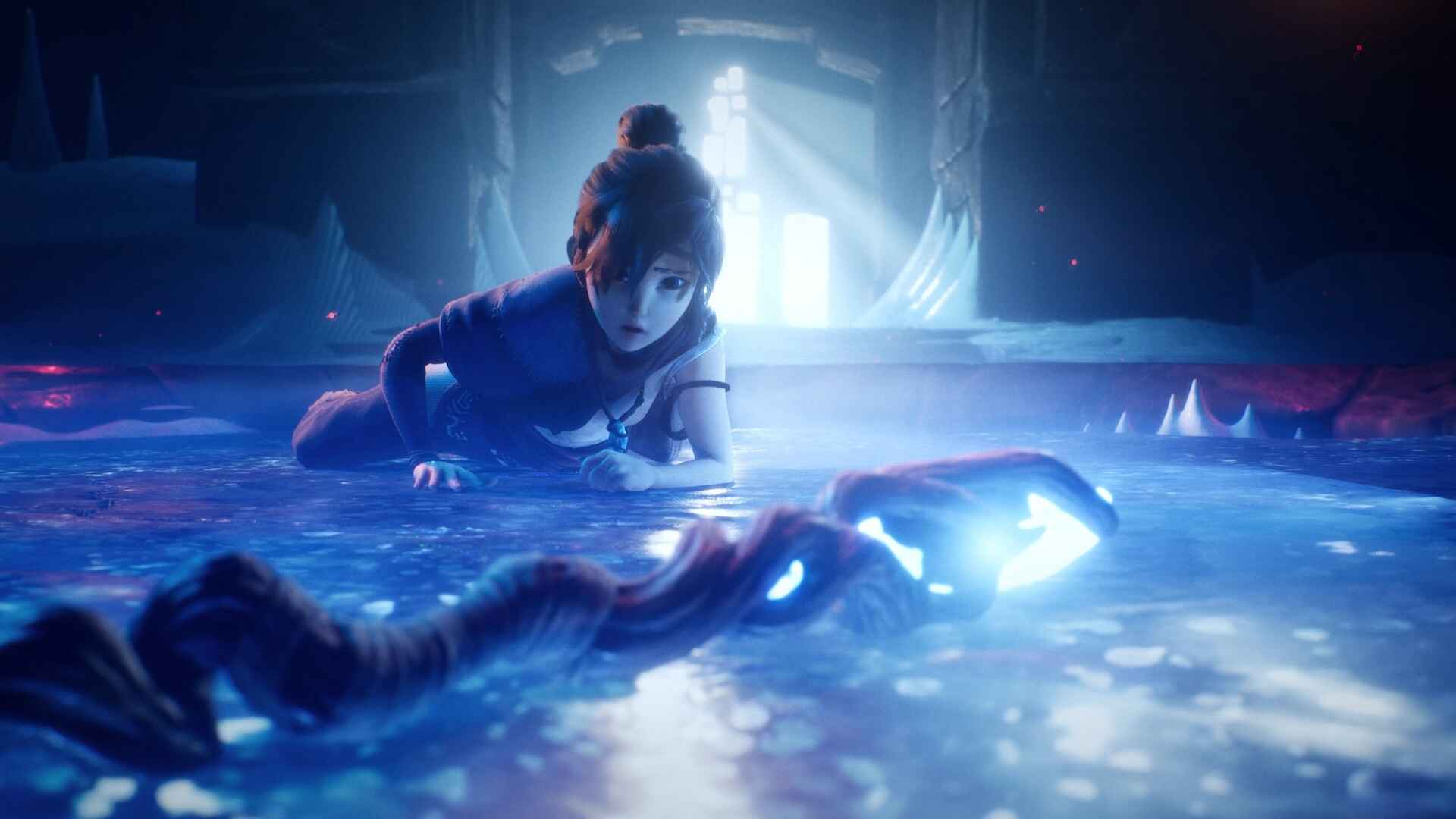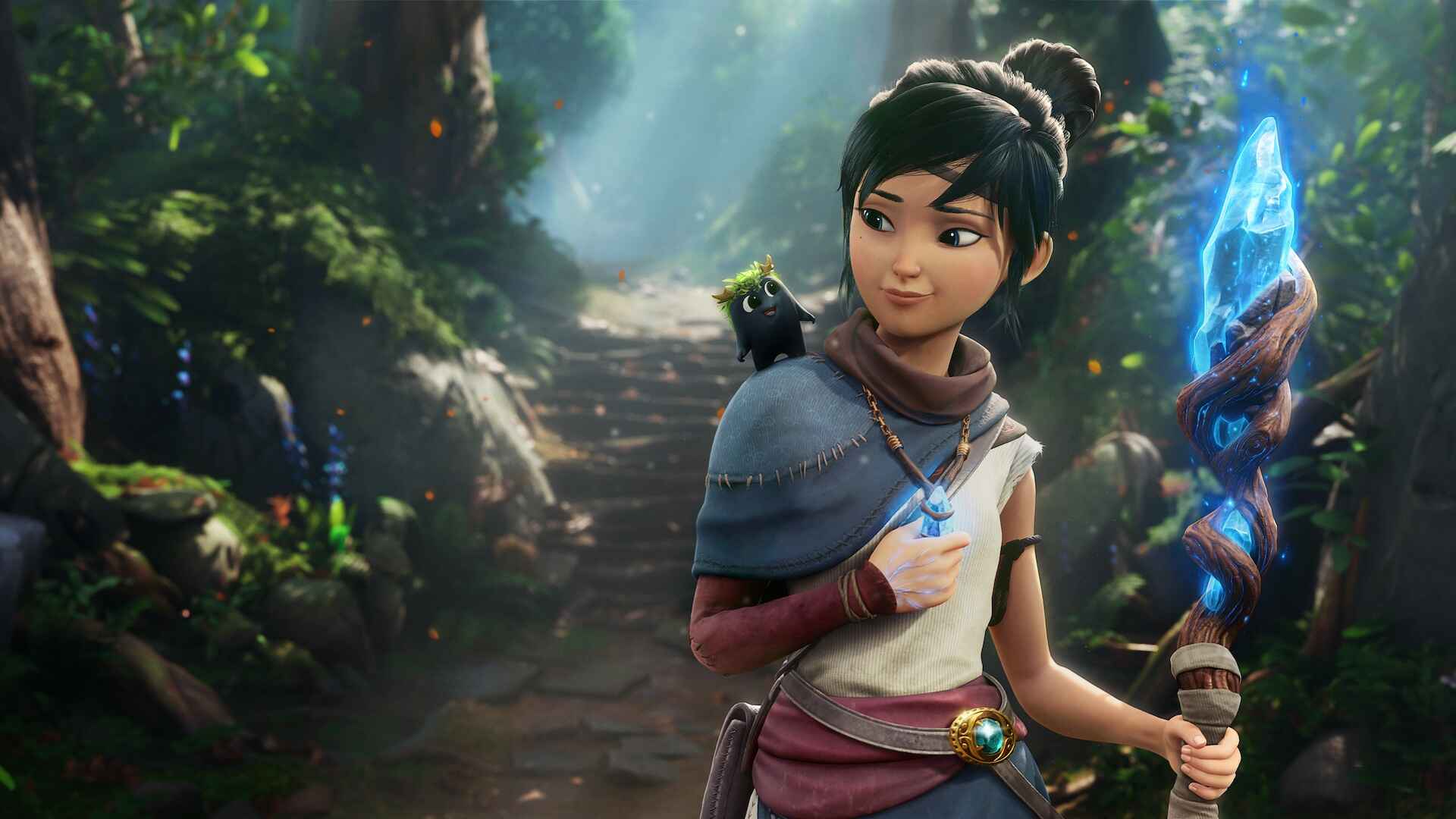
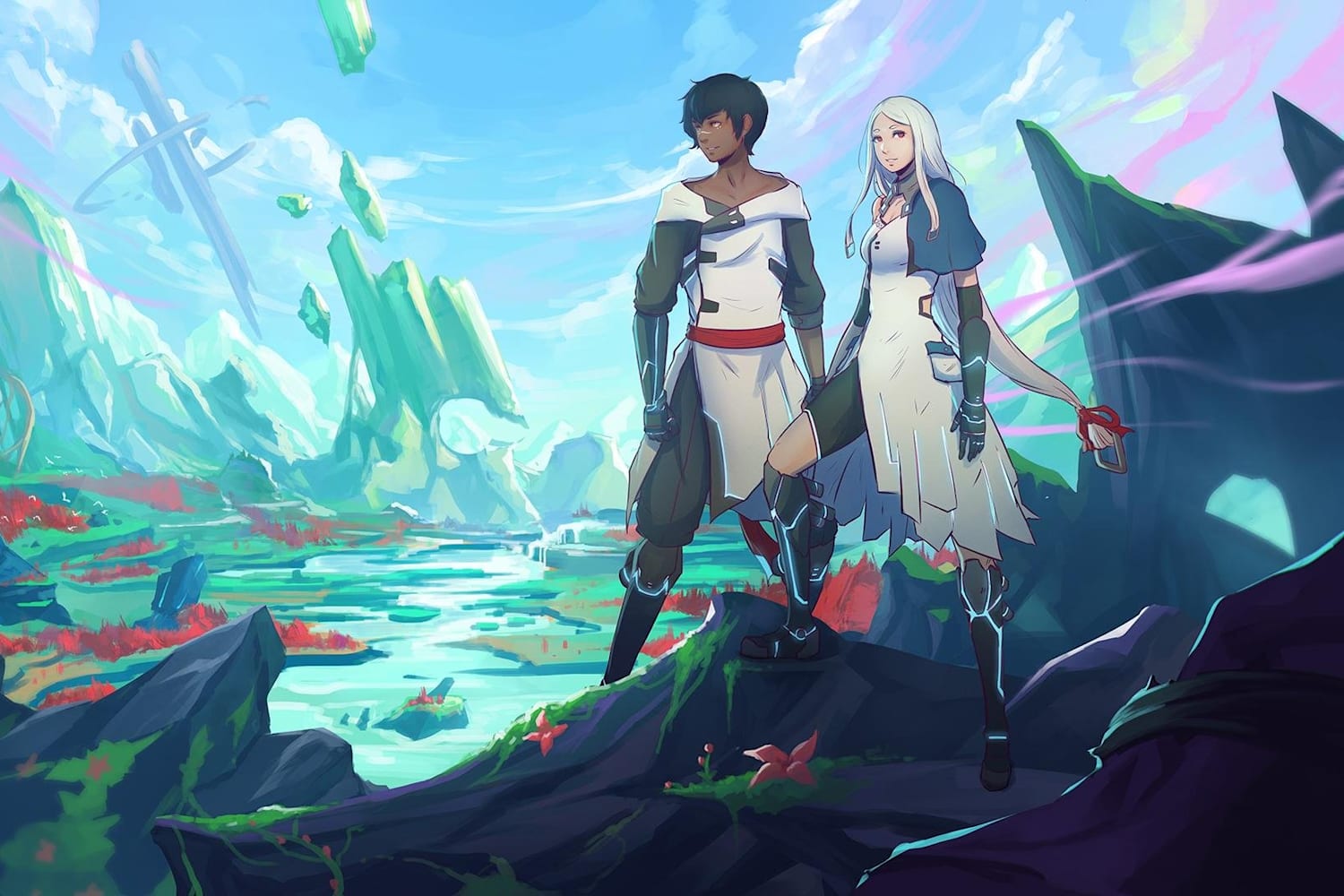
Kena: Bridge of Spirits landed in 2021 as Ember Lab’s polished action-adventure debut, earning attention for its hand-crafted visuals and cinematic score.
This review examines the Nintendo Switch 2 release, focusing on how the title’s trademark presentation and systems translate to Nintendo’s hardware, and how onboarding and combat design shape the player experience.
Overview and context
Kena casts players as a spirit guide who clears corrupted sites using a band of tiny companions called the Rot.
Ember Lab’s game blends exploration, puzzle-solving, and third-person combat with an emphasis on visual storytelling and orchestral music.
The Switch 2 edition, as reviewed here, consolidates the core game with previously released post-launch content into a single package, presenting the full Ember Lab experience on Nintendo’s next-generation handheld-console hybrid.
Onboarding and systems
Multiple commentators have noted that Kena can be sparse in explaining mechanics.
In journalistic terms: the game often leaves key systems and upgrades unexplained, requiring players to discover much of the progression through trial and exploration.
That approach rewards experimentation but can frustrate newcomers who expect clearer tutorials or an in-game manual.
Exploration and level design
Exploration centers on locating and using the Rot to interact with the environment.
The Rot let Kena clear obstacles and unlock new paths, and their abilities expand as you gather more spirits.
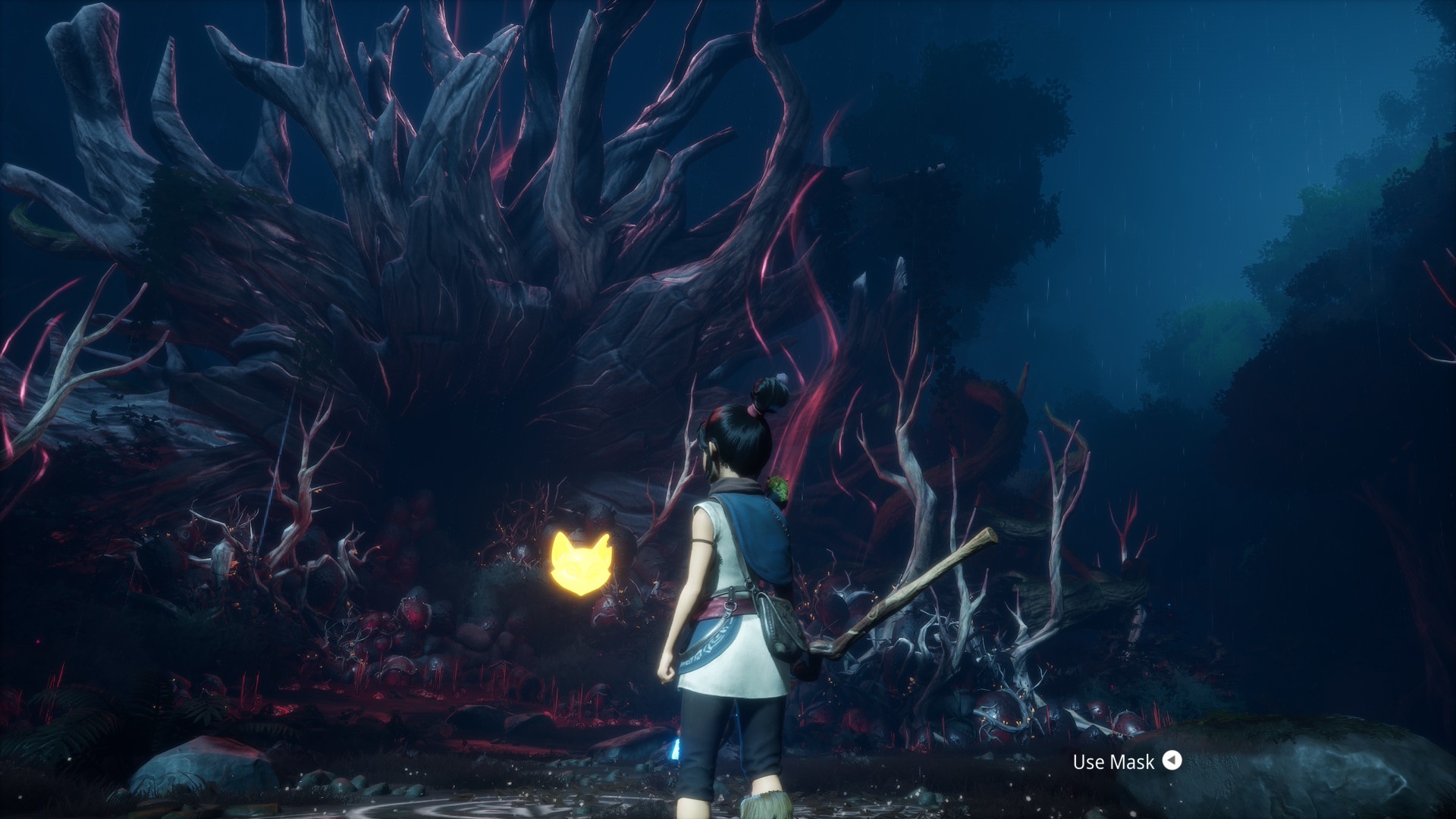
The game favors a semi-linear structure, but there is little in the way of an on-screen map; players must rely on visual cues, masks, and careful observation to find missed items and hidden routes.
Combat and difficulty
Combat plays out in confined encounter arenas where dodging, parrying, and mixing staff and bow attacks are core to success.
The Rot are an active combat resource: they swarm enemies and close spawn points, making them integral to both offense and progression.
While some encounters can be brute-forced, the design leans on learning timing and combining new abilities as they are acquired.
Multiple difficulty settings are available for players who need a gentler ramp.
Presentation and audio
Where Kena consistently excels is presentation.
Ember Lab’s visuals are widely praised for color, detail, and character animation; some reviewers liken the musical atmosphere to evocative orchestral scores—an element that heightens the game’s emotional beats.
Minor performance hitches have been reported in places, but they generally do not undermine the overall experience.
Verdict
Kena: Bridge of Spirits on Switch 2 showcases Ember Lab’s strengths in art direction and audio design, delivering a compact, emotionally resonant adventure.
Players should be prepared for a light-handed tutorial approach and a game that rewards exploration and experimentation, but those who settle into its systems will find a satisfying action-adventure experience on Nintendo’s platform.
This review examines the Nintendo Switch 2 release, focusing on how the title’s trademark presentation and systems translate to Nintendo’s hardware, and how onboarding and combat design shape the player experience.
Overview and context
Kena casts players as a spirit guide who clears corrupted sites using a band of tiny companions called the Rot.
Ember Lab’s game blends exploration, puzzle-solving, and third-person combat with an emphasis on visual storytelling and orchestral music.
The Switch 2 edition, as reviewed here, consolidates the core game with previously released post-launch content into a single package, presenting the full Ember Lab experience on Nintendo’s next-generation handheld-console hybrid.
Onboarding and systems
Multiple commentators have noted that Kena can be sparse in explaining mechanics.
In journalistic terms: the game often leaves key systems and upgrades unexplained, requiring players to discover much of the progression through trial and exploration.
That approach rewards experimentation but can frustrate newcomers who expect clearer tutorials or an in-game manual.
Exploration and level design
Exploration centers on locating and using the Rot to interact with the environment.
The Rot let Kena clear obstacles and unlock new paths, and their abilities expand as you gather more spirits.
The game favors a semi-linear structure, but there is little in the way of an on-screen map; players must rely on visual cues, masks, and careful observation to find missed items and hidden routes.
Combat and difficulty
Combat plays out in confined encounter arenas where dodging, parrying, and mixing staff and bow attacks are core to success.
The Rot are an active combat resource: they swarm enemies and close spawn points, making them integral to both offense and progression.
While some encounters can be brute-forced, the design leans on learning timing and combining new abilities as they are acquired.
Multiple difficulty settings are available for players who need a gentler ramp.
Presentation and audio
Where Kena consistently excels is presentation.
Ember Lab’s visuals are widely praised for color, detail, and character animation; some reviewers liken the musical atmosphere to evocative orchestral scores—an element that heightens the game’s emotional beats.
Minor performance hitches have been reported in places, but they generally do not undermine the overall experience.
Verdict
Kena: Bridge of Spirits on Switch 2 showcases Ember Lab’s strengths in art direction and audio design, delivering a compact, emotionally resonant adventure.
Players should be prepared for a light-handed tutorial approach and a game that rewards exploration and experimentation, but those who settle into its systems will find a satisfying action-adventure experience on Nintendo’s platform.