Hero Seekers Review: A Story-Driven JRPG Journey on Nintendo Switch
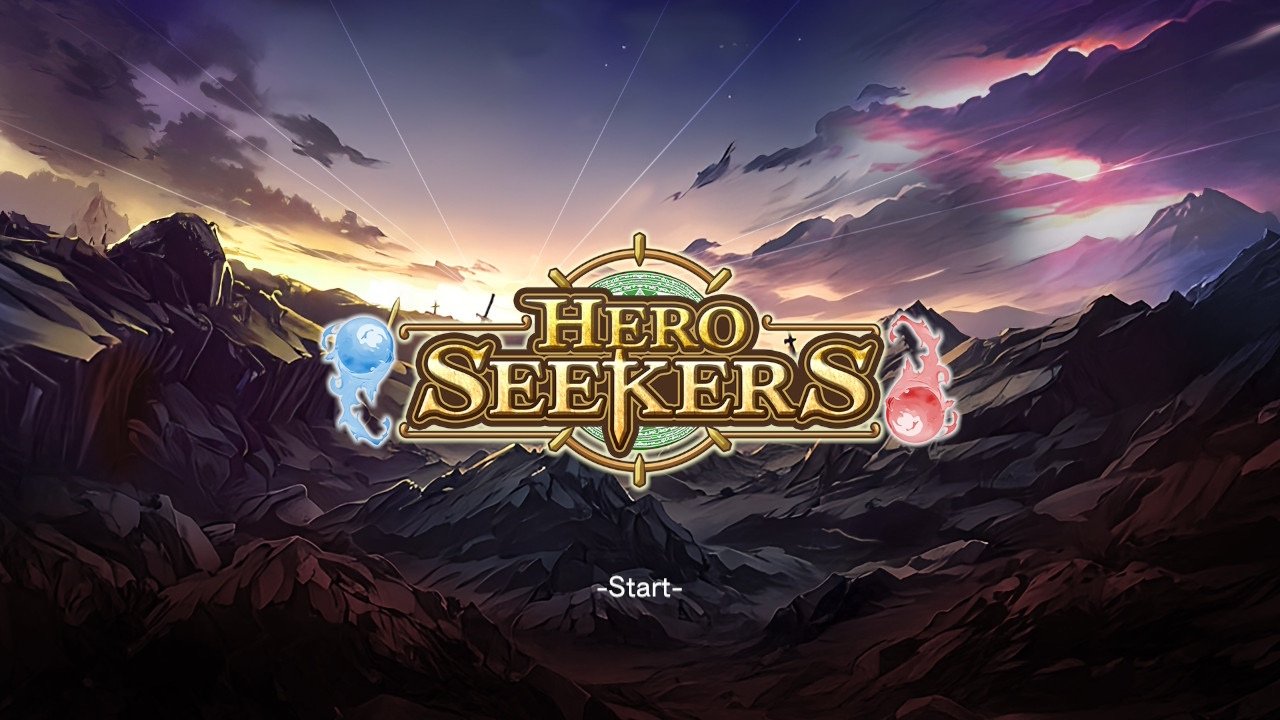
Hero Seekers, developed by Vanguard and published by KEMCO, is a classic-inspired JRPG that made its debut on the Nintendo Switch via the Nintendo eShop.
As players continue to seek new experiences in the rich landscape of story-driven RPGs, Hero Seekers offers a tale filled with hope, loss, and the cyclical nature of heroism—all wrapped in turn-based strategy combat.
At its core, Hero Seekers follows the recurring struggle against the Demon King.
Across generations, countless Heroes rise to defeat this menace, but each time victory is achieved, the Demon King is resurrected and erases the Heroes’ existence from memory—trapping them in a relentless cycle.
The story opens with the trio Lunette, Ramsar, and Ruwan successfully vanquishing the Demon King, only to be separated shortly after.
Lunette awakens alone in a town ruled by demons, the only one who remembers their triumph.
Her journey unfolds as a quest to reclaim forgotten history and liberate lost Heroes from their own nightmares, setting the stage for an emotional and engaging adventure.
In a statement from the development team, the narrative’s core intent is to explore themes of perseverance, memory, and the importance of remembering the past.
Vanguard expressed that they wanted each character’s background to add depth and create an emotional resonance with the player, even as the gameplay focuses on classic turn-based battles and party management.
The narrative remains Hero Seekers’ strongest feature, boasting a cast of 24 Heroes with distinct backgrounds.
However, mechanically, only five party members can be actively managed at a time—four entering combat and one kept in reserve, earning experience but not contributing directly.
While this design encourages experimentation, many characters feel underutilized, serving primarily as options for replayability rather than essential members of the journey.
Outside of the central trio and key characters like Nyla and Zalesh, most Heroes have limited interaction after recruitment.
Gameplay in Hero Seekers is notably linear.
The experience involves progressing from town to dungeon, engaging in random encounters with classic RPG foes such as goblins and dragons.
Dungeons are structured as expansive mazes, with the primary objective being to locate stairs to the next level.
The absence of puzzles, side quests, or mini-games limits exploration, creating a straightforward progression that pushes the narrative forward—sometimes at the expense of variety.
Combat relies on traditional turn-based mechanics, displaying turn order and allowing for both melee and magic attacks powered by SP.
An auto-battle feature simplifies routine encounters, letting players focus on strategy during boss fights.
While the first battles are engaging, many players may find the combat becomes routine due to limited challenge if the party is over-leveled early on.
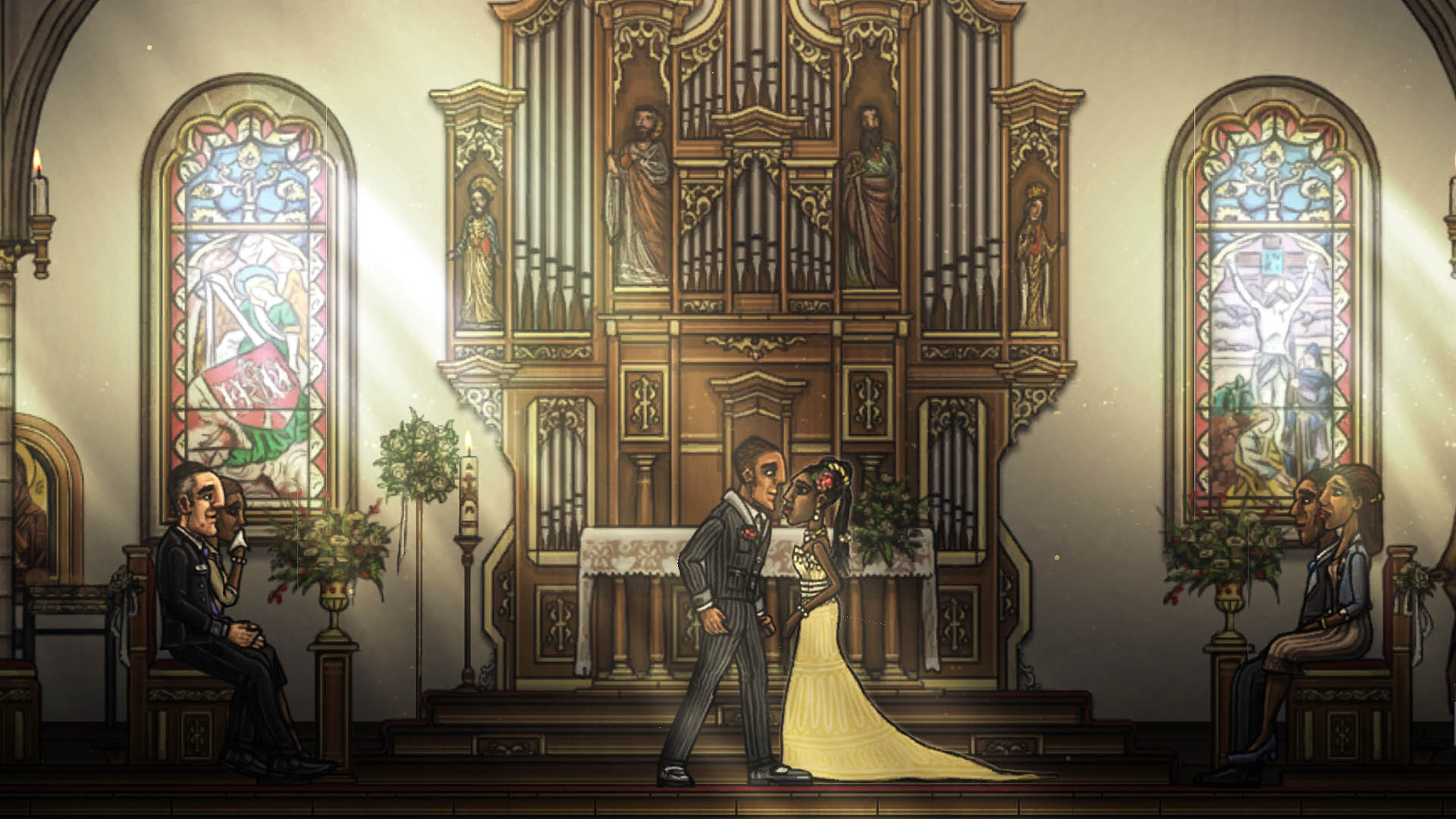
Despite these limitations, Hero Seekers excels in presentation.
The game features vivid backdrops and an evocative soundtrack, reminiscent of genre staples like Final Fantasy and Castlevania.
Visuals and music elevate the overall experience, offering memorable moments during both wild encounters and narrative cutscenes.
Completing the main story takes approximately ten to eleven hours, providing a compact but fulfilling RPG adventure on the Nintendo Switch.
While Hero Seekers may not reinvent the genre, its compelling narrative and classic turn-based battles make it a solid addition to the Nintendo eShop lineup.
For fans of story-driven JRPGs and players seeking a new addition to their Nintendo Switch library, Hero Seekers demonstrates Vanguard and KEMCO’s commitment to narrative depth, even if gameplay innovations are limited.
It is a worthy experience for those who value storytelling in their gaming journeys.
Hero Seekers, developed by Vanguard and published by KEMCO, is a classic-inspired JRPG that made its debut on the Nintendo Switch via the Nintendo eShop.
As players continue to seek new experiences in the rich landscape of story-driven RPGs, Hero Seekers offers a tale filled with hope, loss, and the cyclical nature of heroism—all wrapped in turn-based strategy combat.
At its core, Hero Seekers follows the recurring struggle against the Demon King.
Across generations, countless Heroes rise to defeat this menace, but each time victory is achieved, the Demon King is resurrected and erases the Heroes’ existence from memory—trapping them in a relentless cycle.
The story opens with the trio Lunette, Ramsar, and Ruwan successfully vanquishing the Demon King, only to be separated shortly after.
Lunette awakens alone in a town ruled by demons, the only one who remembers their triumph.
Her journey unfolds as a quest to reclaim forgotten history and liberate lost Heroes from their own nightmares, setting the stage for an emotional and engaging adventure.
In a statement from the development team, the narrative’s core intent is to explore themes of perseverance, memory, and the importance of remembering the past.
Vanguard expressed that they wanted each character’s background to add depth and create an emotional resonance with the player, even as the gameplay focuses on classic turn-based battles and party management.
The narrative remains Hero Seekers’ strongest feature, boasting a cast of 24 Heroes with distinct backgrounds.
However, mechanically, only five party members can be actively managed at a time—four entering combat and one kept in reserve, earning experience but not contributing directly.
While this design encourages experimentation, many characters feel underutilized, serving primarily as options for replayability rather than essential members of the journey.
Outside of the central trio and key characters like Nyla and Zalesh, most Heroes have limited interaction after recruitment.
Gameplay in Hero Seekers is notably linear.
The experience involves progressing from town to dungeon, engaging in random encounters with classic RPG foes such as goblins and dragons.
Dungeons are structured as expansive mazes, with the primary objective being to locate stairs to the next level.
The absence of puzzles, side quests, or mini-games limits exploration, creating a straightforward progression that pushes the narrative forward—sometimes at the expense of variety.
Combat relies on traditional turn-based mechanics, displaying turn order and allowing for both melee and magic attacks powered by SP.
An auto-battle feature simplifies routine encounters, letting players focus on strategy during boss fights.
While the first battles are engaging, many players may find the combat becomes routine due to limited challenge if the party is over-leveled early on.
Despite these limitations, Hero Seekers excels in presentation.
The game features vivid backdrops and an evocative soundtrack, reminiscent of genre staples like Final Fantasy and Castlevania.
Visuals and music elevate the overall experience, offering memorable moments during both wild encounters and narrative cutscenes.
Completing the main story takes approximately ten to eleven hours, providing a compact but fulfilling RPG adventure on the Nintendo Switch.
While Hero Seekers may not reinvent the genre, its compelling narrative and classic turn-based battles make it a solid addition to the Nintendo eShop lineup.
For fans of story-driven JRPGs and players seeking a new addition to their Nintendo Switch library, Hero Seekers demonstrates Vanguard and KEMCO’s commitment to narrative depth, even if gameplay innovations are limited.
It is a worthy experience for those who value storytelling in their gaming journeys.