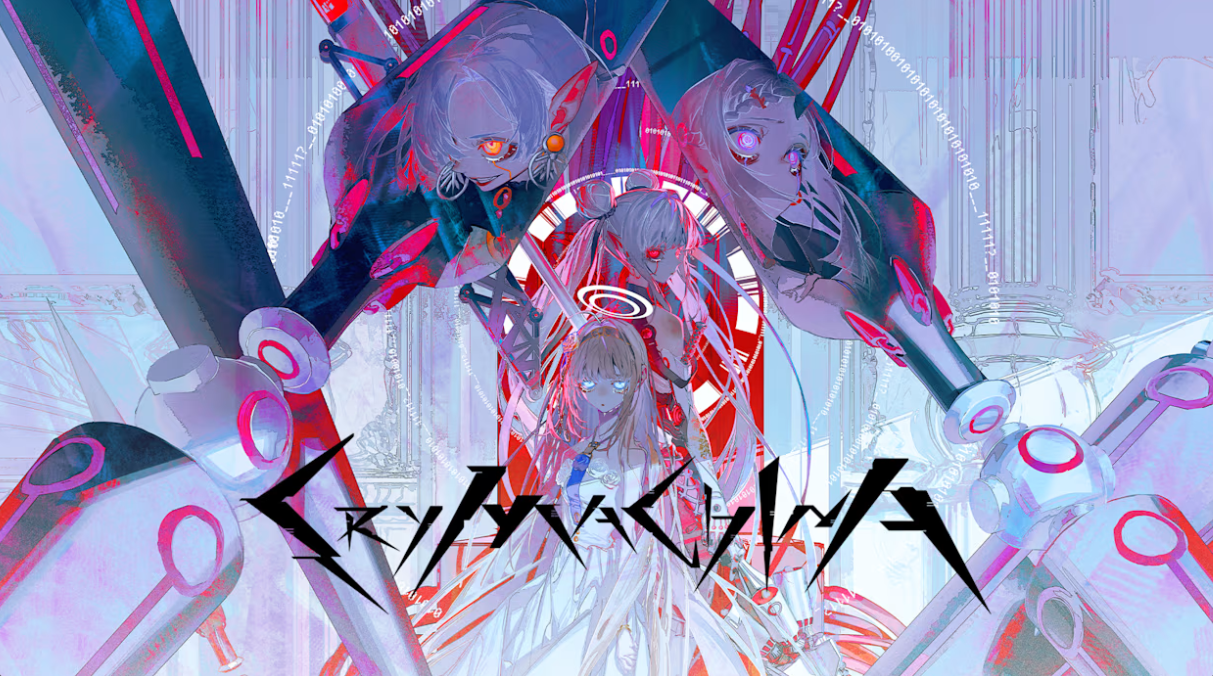


Crymachina on Nintendo Switch delivers a compact package of rapid-action combat and contemplative storytelling set in a bleak, machine-dominated future.
The game positions players as a resurrected human consciousness encoded as data tasked with navigating a post-human world where machines preserve the memory of humanity.
Battles are intercut with hub segments in a refuge called Eden, where narrative threads and character interactions unfold.
The game’s premise is straightforward: machines were assigned to care for humanity’s legacy but splintered into factions, and the player must restore peace.
In journalistic terms, Crymachina frames the player as a recovering human mind whose recognition as a “Real Person” — achieved by gaining experience in combat — grants leverage over machines that are programmed to obey and not harm humans.
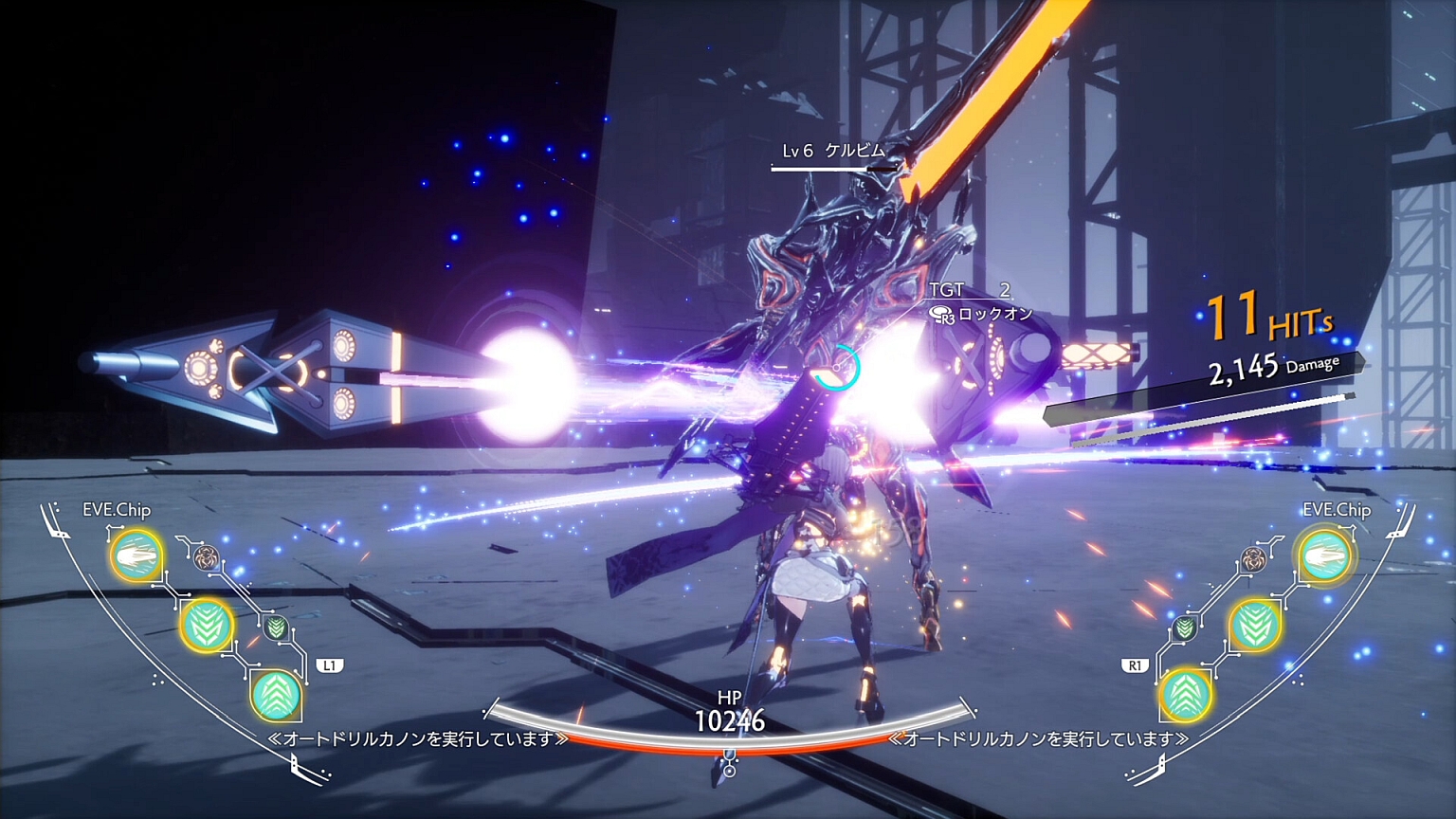
Gameplay centers on high-speed fights that emphasize reflexes and learned technique.
Players learn a compact move set early on and are then thrown into fast, neon-lit encounters where timing matters.
Enemies possess distinct patterns, and while the game doesn’t make button-mashing impossible, success rewards quick reactions and tactical thought.
The velocity of combat can sometimes obscure hit confirmation and onscreen clarity, particularly when bright particle bursts affect both player and foes.
Crymachina balances its combat with extended visual-novel style sections in Eden.
These exchanges lean heavily on dialogue about life, purpose, and the ethics of consciousness, offering a mix of solemn reflection and dark humor.
Characters frequently misunderstand human concepts like family, producing moments of warmth amid melancholy.
The player does not choose dialogue options; the protagonist’s arc is observed rather than directed, which keeps the experience more narrative-driven than interactive in these intervals.
Language presentation during combat has been noted: spoken lines are in Japanese while translations appear in text, which can be hard to follow when fights are hectic.
The game does provide difficulty options to reduce combat intensity for players who prefer to focus on story beats.
Critically, Crymachina draws clear parallels to Crystar in structure and emotional beats; fans of the earlier title may find the similarities reassuring or too familiar.
In the review excerpt provided, the game received an overall score of 6/10 (Fair), reflecting strong design and presentation that are somewhat undermined by limited narrative agency and perceived lack of originality.
For Nintendo Switch players who appreciate brisk action paired with philosophical writing and visual-novel pacing, Crymachina is a noteworthy, if imperfect, addition to the indie sci‑fi catalogue.
The game positions players as a resurrected human consciousness encoded as data tasked with navigating a post-human world where machines preserve the memory of humanity.
Battles are intercut with hub segments in a refuge called Eden, where narrative threads and character interactions unfold.
The game’s premise is straightforward: machines were assigned to care for humanity’s legacy but splintered into factions, and the player must restore peace.
In journalistic terms, Crymachina frames the player as a recovering human mind whose recognition as a “Real Person” — achieved by gaining experience in combat — grants leverage over machines that are programmed to obey and not harm humans.
Gameplay centers on high-speed fights that emphasize reflexes and learned technique.
Players learn a compact move set early on and are then thrown into fast, neon-lit encounters where timing matters.
Enemies possess distinct patterns, and while the game doesn’t make button-mashing impossible, success rewards quick reactions and tactical thought.
The velocity of combat can sometimes obscure hit confirmation and onscreen clarity, particularly when bright particle bursts affect both player and foes.
Crymachina balances its combat with extended visual-novel style sections in Eden.
These exchanges lean heavily on dialogue about life, purpose, and the ethics of consciousness, offering a mix of solemn reflection and dark humor.
Characters frequently misunderstand human concepts like family, producing moments of warmth amid melancholy.
The player does not choose dialogue options; the protagonist’s arc is observed rather than directed, which keeps the experience more narrative-driven than interactive in these intervals.
Language presentation during combat has been noted: spoken lines are in Japanese while translations appear in text, which can be hard to follow when fights are hectic.
The game does provide difficulty options to reduce combat intensity for players who prefer to focus on story beats.
Critically, Crymachina draws clear parallels to Crystar in structure and emotional beats; fans of the earlier title may find the similarities reassuring or too familiar.
In the review excerpt provided, the game received an overall score of 6/10 (Fair), reflecting strong design and presentation that are somewhat undermined by limited narrative agency and perceived lack of originality.
For Nintendo Switch players who appreciate brisk action paired with philosophical writing and visual-novel pacing, Crymachina is a noteworthy, if imperfect, addition to the indie sci‑fi catalogue.