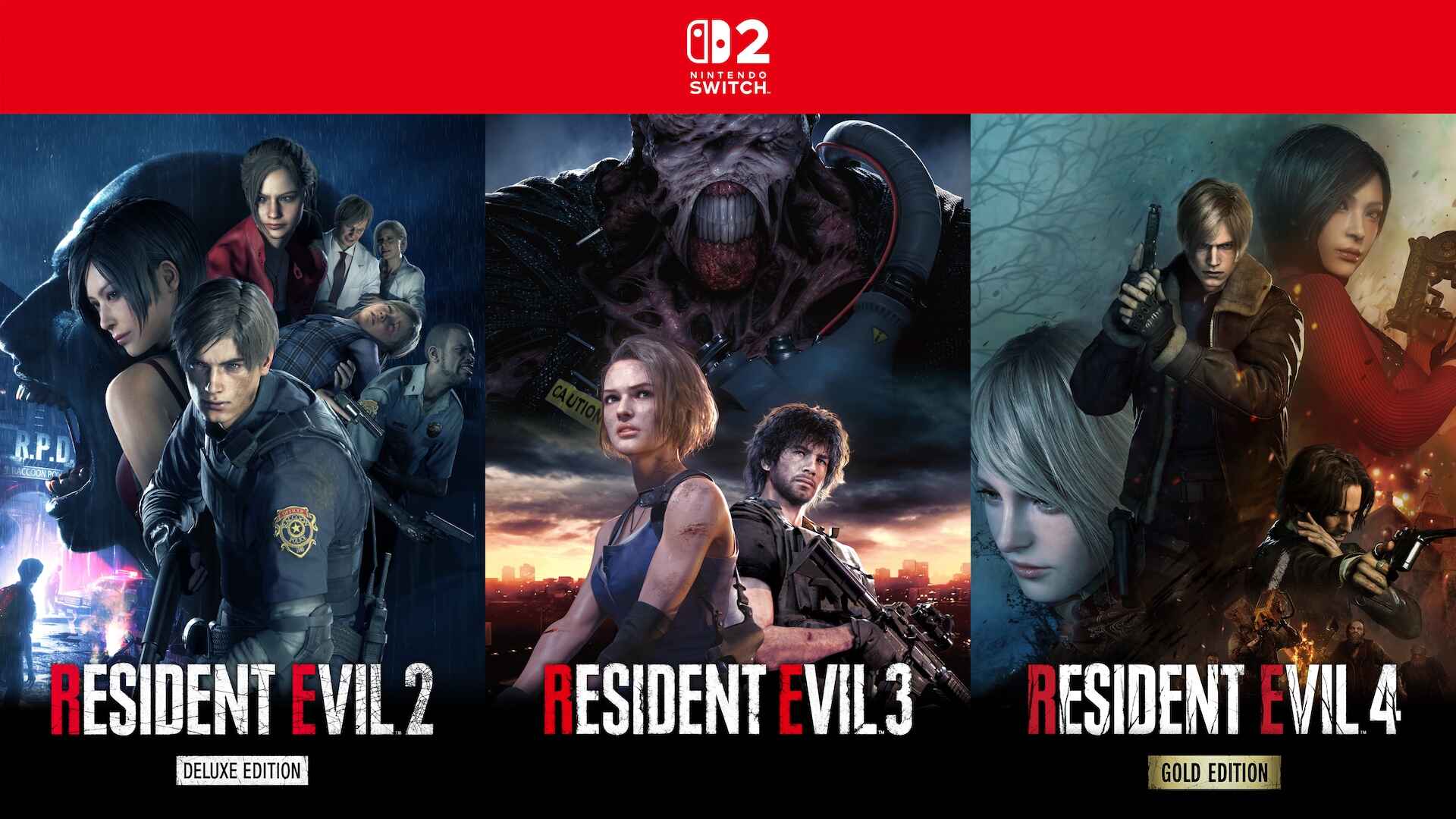
Producer Masato Kumazawa says the recent Switch 2 release of Resident Evil Requiem helped expand the franchise’s audience, particularly when considered alongside the availability of Resident Evil 7 and Resident Evil Village on the same platform.
Capcom’s Resident Evil series is one of the studio’s flagship properties; Resident Evil 7 originally launched on January 24, 2017, and Resident Evil Village released on May 7, 2021.
Those titles have appeared across PlayStation, Xbox, and PC platforms since their initial releases.
In a recent interview, Kumazawa emphasized the accessibility offered by a portable release.
Paraphrasing his remarks, he noted that offering Requiem in a handheld format made the title reachable for players who do not own a PlayStation 5 or a high-performance PC.
He added that the timing of multiple Resident Evil entries appearing on the same hardware encouraged players to sample earlier installments and then move on to the newest entry.
Kumazawa said that many players appear to have started with Resident Evil 7 after discovering the franchise on Switch 2, then continued to Resident Evil Village and ultimately played Requiem.
In journalistic terms: Kumazawa credited the platform’s portability and the simultaneous availability of key franchise entries with lowering the barrier to entry and driving new players into the Resident Evil ecosystem.
What this means for Capcom and the franchise is consistent with broader platform trends: portable and accessible releases can broaden reach beyond traditional console and PC owners.
Capcom’s ongoing strategy to keep major Resident Evil titles available across multiple platforms has helped maintain the series’ visibility since Resident Evil 7 and Village expanded the franchise’s modern, first-person horror direction.
For Nintendo-focused readers, the conversation underscores the commercial and discovery opportunities associated with Nintendo hardware and storefronts such as the Nintendo eShop.
Announcements around platform ports and updates are often communicated through Nintendo Direct presentations or Capcom press releases; developers and publishers continue to use these channels to reach console audiences.
Kumazawa’s comments highlight a concrete example of how platform availability and portability can influence player discovery, without offering numbers or sales claims.
The observation aligns with the long-term trend of cross-platform availability increasing access to major franchise entries.
Capcom’s Resident Evil series is one of the studio’s flagship properties; Resident Evil 7 originally launched on January 24, 2017, and Resident Evil Village released on May 7, 2021.
Those titles have appeared across PlayStation, Xbox, and PC platforms since their initial releases.
In a recent interview, Kumazawa emphasized the accessibility offered by a portable release.
Paraphrasing his remarks, he noted that offering Requiem in a handheld format made the title reachable for players who do not own a PlayStation 5 or a high-performance PC.
He added that the timing of multiple Resident Evil entries appearing on the same hardware encouraged players to sample earlier installments and then move on to the newest entry.
Kumazawa said that many players appear to have started with Resident Evil 7 after discovering the franchise on Switch 2, then continued to Resident Evil Village and ultimately played Requiem.
In journalistic terms: Kumazawa credited the platform’s portability and the simultaneous availability of key franchise entries with lowering the barrier to entry and driving new players into the Resident Evil ecosystem.
What this means for Capcom and the franchise is consistent with broader platform trends: portable and accessible releases can broaden reach beyond traditional console and PC owners.
Capcom’s ongoing strategy to keep major Resident Evil titles available across multiple platforms has helped maintain the series’ visibility since Resident Evil 7 and Village expanded the franchise’s modern, first-person horror direction.
For Nintendo-focused readers, the conversation underscores the commercial and discovery opportunities associated with Nintendo hardware and storefronts such as the Nintendo eShop.
Announcements around platform ports and updates are often communicated through Nintendo Direct presentations or Capcom press releases; developers and publishers continue to use these channels to reach console audiences.
Kumazawa’s comments highlight a concrete example of how platform availability and portability can influence player discovery, without offering numbers or sales claims.
The observation aligns with the long-term trend of cross-platform availability increasing access to major franchise entries.