Resident Evil Requiem's perspective choice has become a talking point among players and press since its launch.
Developed by Capcom, the title stands out by letting users switch between first- and third-person views depending on which protagonist they control.
In a recent interview with Denfaminico Gamer—reported by VGC—developer Koshi Nakanishi shared concrete player-behavior data that sheds light on how those options are being used.
The core design decision behind Requiem's dual-perspective system was to let players experience each character's scenario in the way that best suits narrative and gameplay.
Nakanishi told Denfaminico Gamer that player uptake differed sharply between the two leads: roughly nine out of ten players chose to play Leon Kennedy's scenario in third-person, while Grace Ashcroft's scenario saw about 60% of players in first-person and 40% switching to third-person.
In plain terms, Nakanishi summarized that Leon’s segments skew decisively toward third-person, whereas Grace’s segments produce a more even split between perspectives.
Those numbers match observable expectations.
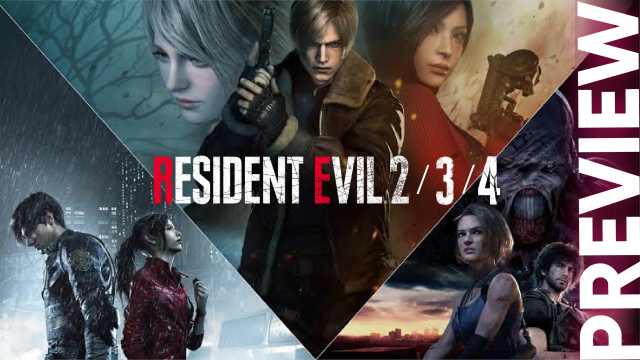
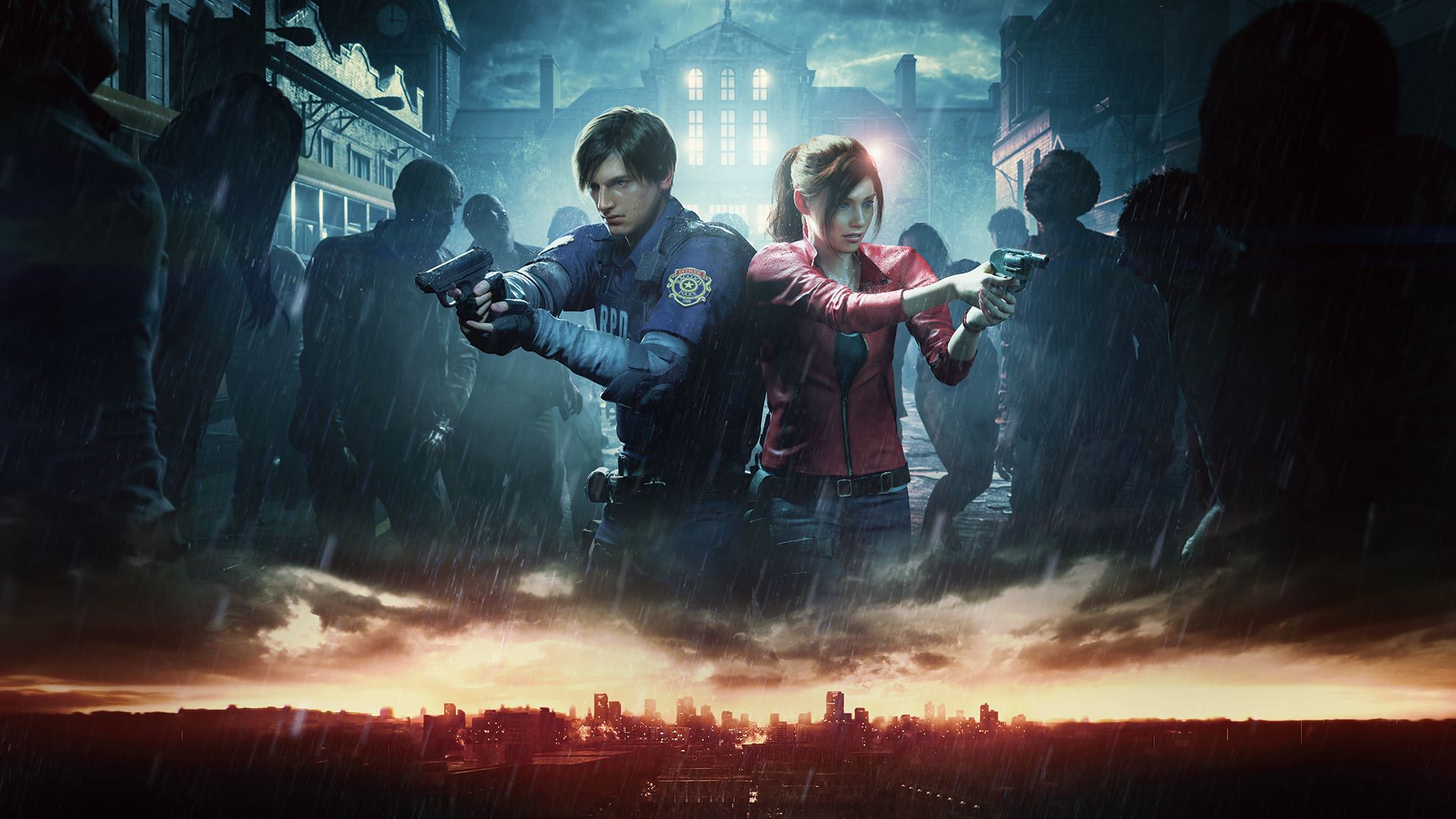
Leon Kennedy is an established series protagonist who has historically been presented in third-person in major entries such as Resident Evil 2 and Resident Evil 4, a factor Nakanishi highlighted as likely influencing player preference.
By contrast, Grace Ashcroft’s sections invite experimentation with viewpoint, and a significant minority of players elect to change perspective for parity or personal comfort.
Nakanishi also noted regional tendencies: players in Japan and other parts of Asia generally prefer third-person presentations, a pattern the development team monitored during testing.
Producer Masoto Kumazawa added that the final balance of perspectives and the overall distribution of player choices were largely consistent with the development team's expectations.
Coverage of Requiem's perspective options has appeared across industry outlets, including Nintendo Life and VGC, reflecting broad interest in how camera design affects player experience.
For platform-focused audiences, discussions about perspective are relevant in contexts such as Nintendo Switch coverage, Nintendo Direct announcements, and eShop listings—areas where camera modes and control schemes are often important selling points.
For developers and analysts, Requiem provides a clear data point: when given the choice, players lean on franchise precedent and character history to guide camera preference, but meaningful minorities will alter perspective to suit personal comfort or gameplay goals.
Capcom’s handling of these options and the post-launch telemetry discussed by Nakanishi and Kumazawa will likely inform future design decisions across the Resident Evil franchise.
Developed by Capcom, the title stands out by letting users switch between first- and third-person views depending on which protagonist they control.
In a recent interview with Denfaminico Gamer—reported by VGC—developer Koshi Nakanishi shared concrete player-behavior data that sheds light on how those options are being used.
The core design decision behind Requiem's dual-perspective system was to let players experience each character's scenario in the way that best suits narrative and gameplay.
Nakanishi told Denfaminico Gamer that player uptake differed sharply between the two leads: roughly nine out of ten players chose to play Leon Kennedy's scenario in third-person, while Grace Ashcroft's scenario saw about 60% of players in first-person and 40% switching to third-person.
In plain terms, Nakanishi summarized that Leon’s segments skew decisively toward third-person, whereas Grace’s segments produce a more even split between perspectives.
Those numbers match observable expectations.
Leon Kennedy is an established series protagonist who has historically been presented in third-person in major entries such as Resident Evil 2 and Resident Evil 4, a factor Nakanishi highlighted as likely influencing player preference.
By contrast, Grace Ashcroft’s sections invite experimentation with viewpoint, and a significant minority of players elect to change perspective for parity or personal comfort.
Nakanishi also noted regional tendencies: players in Japan and other parts of Asia generally prefer third-person presentations, a pattern the development team monitored during testing.
Producer Masoto Kumazawa added that the final balance of perspectives and the overall distribution of player choices were largely consistent with the development team's expectations.
Coverage of Requiem's perspective options has appeared across industry outlets, including Nintendo Life and VGC, reflecting broad interest in how camera design affects player experience.
For platform-focused audiences, discussions about perspective are relevant in contexts such as Nintendo Switch coverage, Nintendo Direct announcements, and eShop listings—areas where camera modes and control schemes are often important selling points.
For developers and analysts, Requiem provides a clear data point: when given the choice, players lean on franchise precedent and character history to guide camera preference, but meaningful minorities will alter perspective to suit personal comfort or gameplay goals.
Capcom’s handling of these options and the post-launch telemetry discussed by Nakanishi and Kumazawa will likely inform future design decisions across the Resident Evil franchise.