
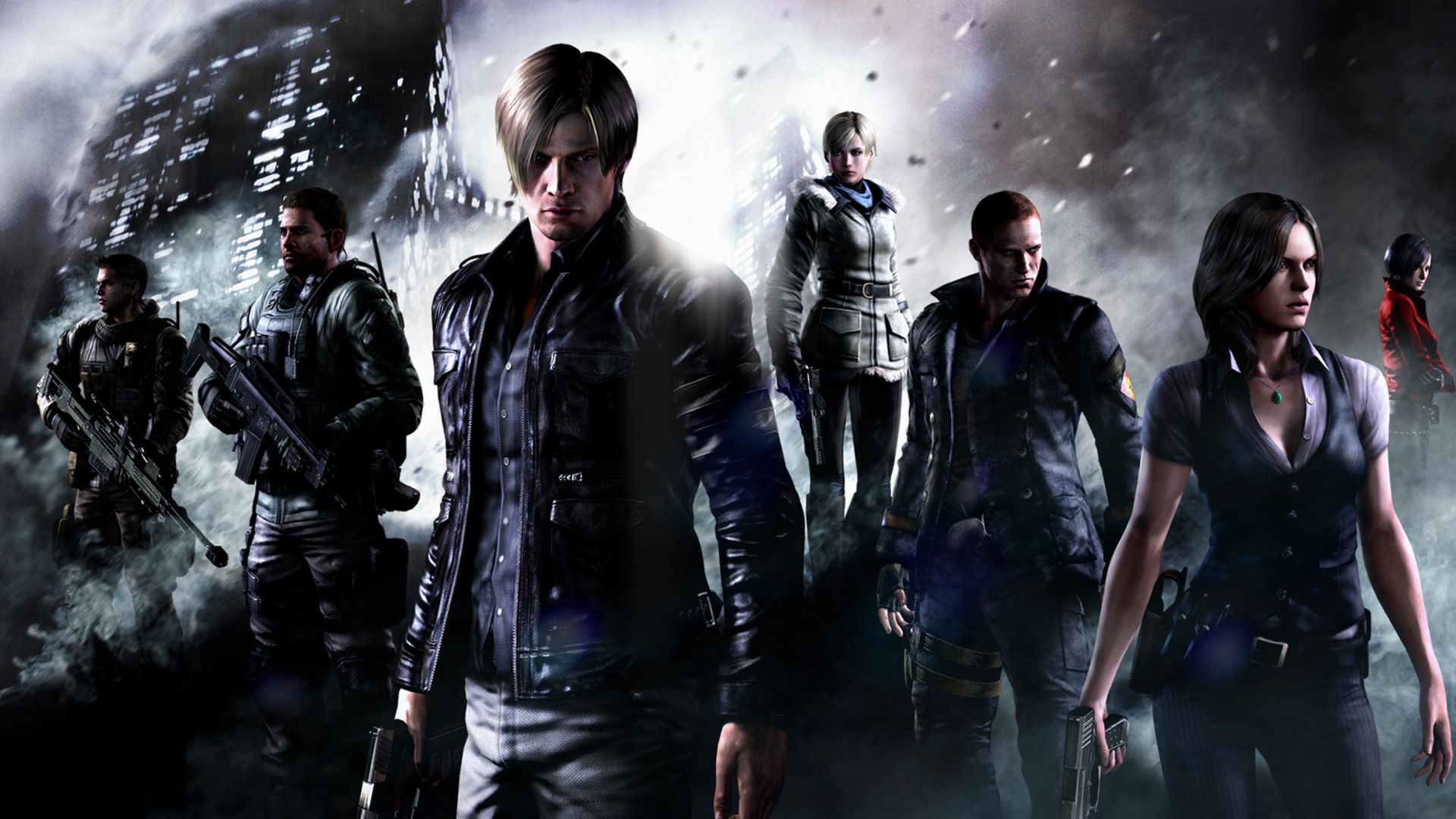
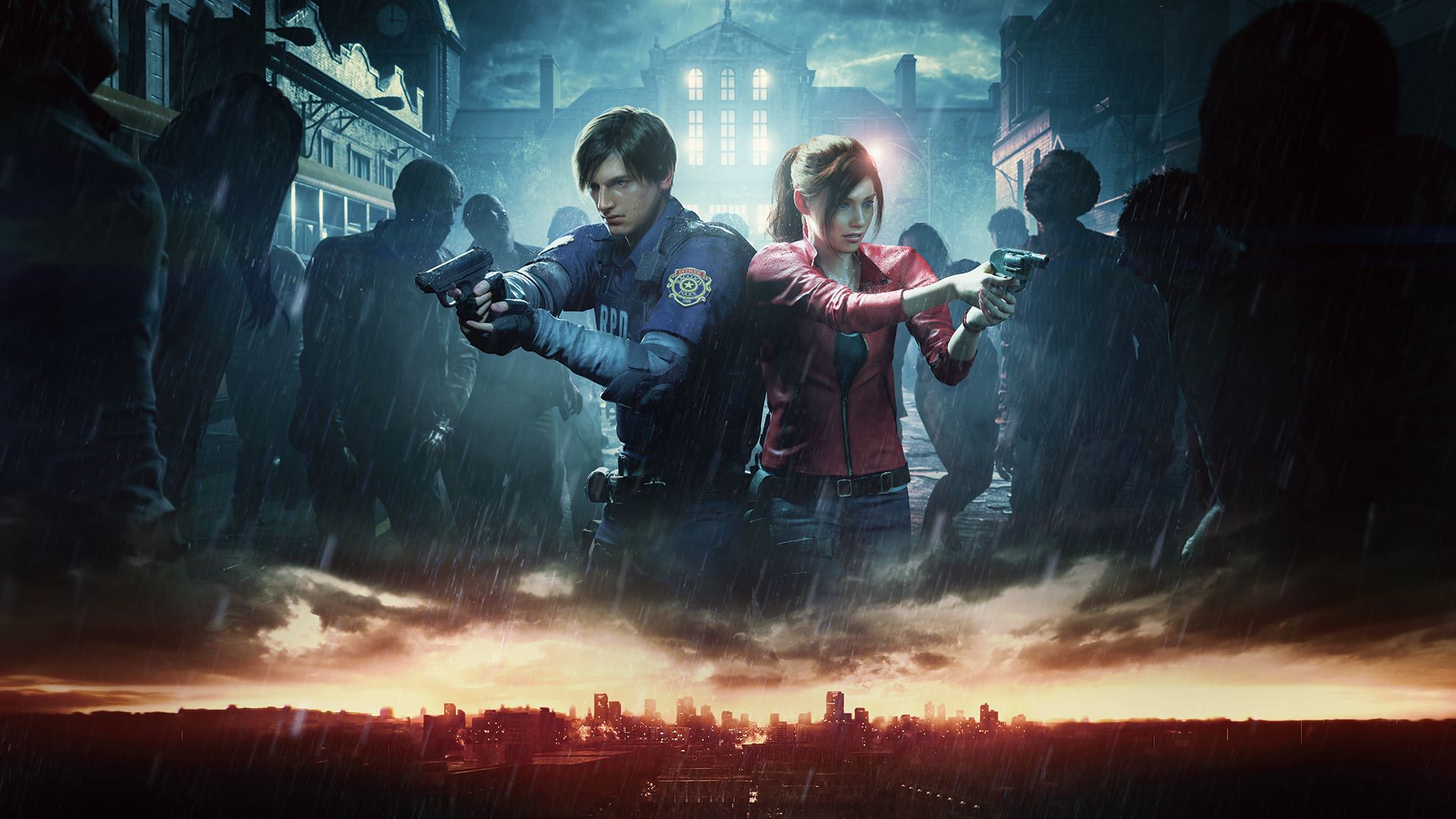

Capcom executive Jun Takeuchi has outlined how the developer is deliberately running the Resident Evil franchise on two creative tracks — remakes that revisit the series’ past, and numbered entries that continue its ongoing narrative.
The comments, shared by RENews via a snippet from the BIOHAZARD 30th Special Mook, crystallize a long-running strategy at Capcom that has guided recent releases and remakes across platforms including consoles and digital storefronts such as the Nintendo eShop.
Context and recent history
Resident Evil has shifted significantly since Resident Evil 7: Biohazard, which released on January 24, 2017 and is widely cited inside and outside Capcom as a turning point for the franchise’s tone and technical approach.
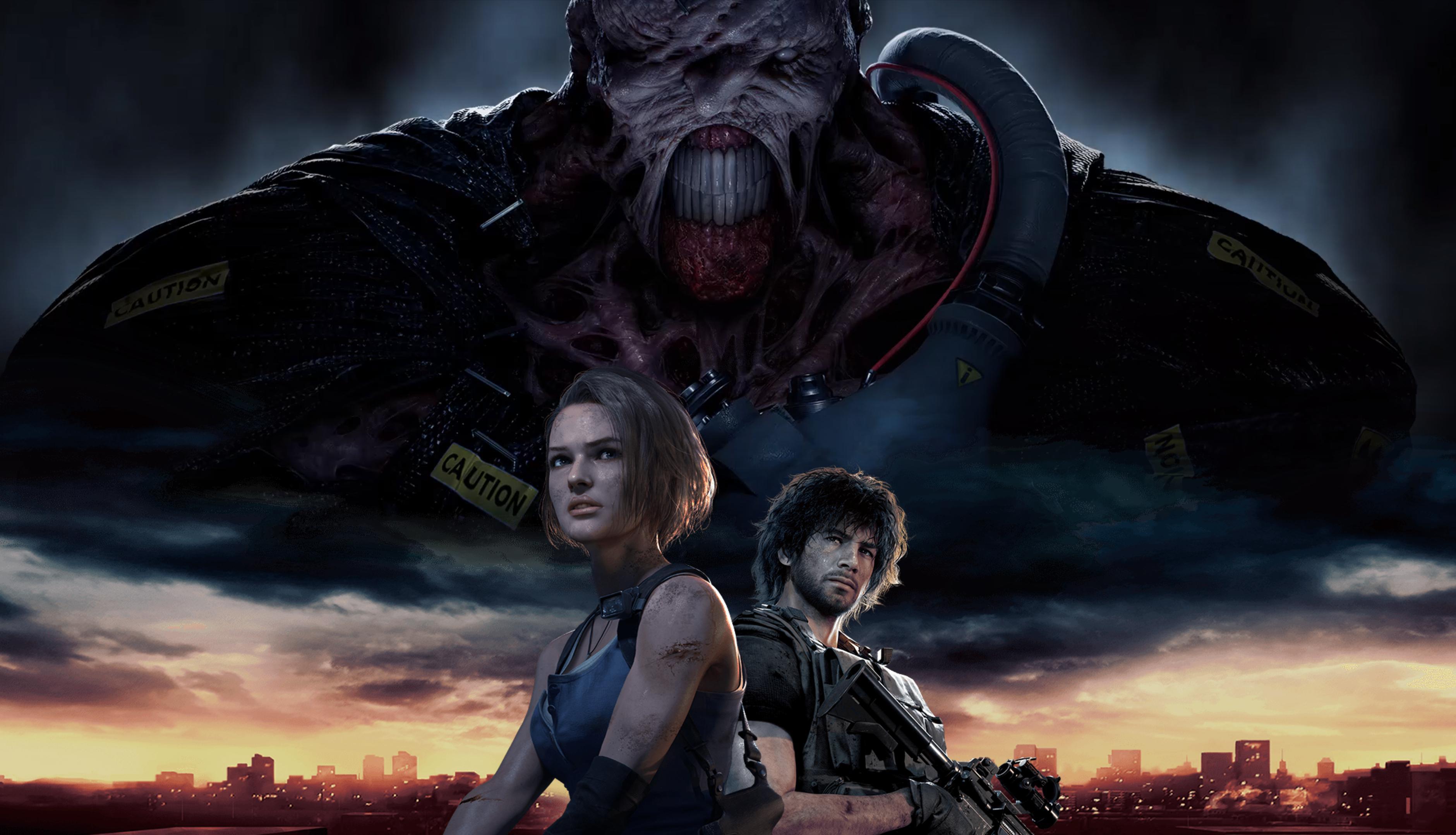
In the years since, Capcom has balanced new mainline entries with high-profile remakes: Resident Evil 2 (remake released January 25, 2019), Resident Evil 3 (remake released April 3, 2020) and Resident Evil 4 (remake released March 24, 2023).
Resident Evil Village, a numbered entry released May 7, 2021, also played a role in shaping the studio’s long-term plans.
What Takeuchi said — rewritten
Takeuchi, described by the RENews post as a longtime series developer and executive producer, explained that Capcom is developing the franchise on two parallel tracks.
He said the numbered titles advance the series’ ongoing story, while the remake series lets players re-experience the past.
Takeuchi added that the studio expects the remake timeline to eventually reach the era of the numbered titles and that Capcom has been preparing for that convergence since around Resident Evil Village.
According to the quote shared by RENews, references to legacy franchise names such as Umbrella and Spencer, and the return of settings like Raccoon City in recent releases, are deliberate elements intended to set up a future crossover between the two tracks.
What this means for fans and platforms
Takeuchi framed Resident Evil 7 as where the current narrative setup began, and said early inclusions of classic lore initially felt like fan service but ultimately exceeded expectations.
Capcom’s approach has informed release strategies across platforms, and the company continues to support awareness of the series on consoles and through channels like Nintendo Direct when platform-specific releases or announcements occur.
As the Resident Evil franchise marks its 30th anniversary, Takeuchi’s comments underscore Capcom’s long-range planning for narrative continuity between remakes and numbered games.
The studio has cited fan engagement as a guiding factor in shaping those plans.
Source: RENews (via BIOHAZARD 30th Special Mook).
The comments, shared by RENews via a snippet from the BIOHAZARD 30th Special Mook, crystallize a long-running strategy at Capcom that has guided recent releases and remakes across platforms including consoles and digital storefronts such as the Nintendo eShop.
Context and recent history
Resident Evil has shifted significantly since Resident Evil 7: Biohazard, which released on January 24, 2017 and is widely cited inside and outside Capcom as a turning point for the franchise’s tone and technical approach.
In the years since, Capcom has balanced new mainline entries with high-profile remakes: Resident Evil 2 (remake released January 25, 2019), Resident Evil 3 (remake released April 3, 2020) and Resident Evil 4 (remake released March 24, 2023).
Resident Evil Village, a numbered entry released May 7, 2021, also played a role in shaping the studio’s long-term plans.
What Takeuchi said — rewritten
Takeuchi, described by the RENews post as a longtime series developer and executive producer, explained that Capcom is developing the franchise on two parallel tracks.
He said the numbered titles advance the series’ ongoing story, while the remake series lets players re-experience the past.
Takeuchi added that the studio expects the remake timeline to eventually reach the era of the numbered titles and that Capcom has been preparing for that convergence since around Resident Evil Village.
According to the quote shared by RENews, references to legacy franchise names such as Umbrella and Spencer, and the return of settings like Raccoon City in recent releases, are deliberate elements intended to set up a future crossover between the two tracks.
What this means for fans and platforms
Takeuchi framed Resident Evil 7 as where the current narrative setup began, and said early inclusions of classic lore initially felt like fan service but ultimately exceeded expectations.
Capcom’s approach has informed release strategies across platforms, and the company continues to support awareness of the series on consoles and through channels like Nintendo Direct when platform-specific releases or announcements occur.
As the Resident Evil franchise marks its 30th anniversary, Takeuchi’s comments underscore Capcom’s long-range planning for narrative continuity between remakes and numbered games.
The studio has cited fan engagement as a guiding factor in shaping those plans.
Source: RENews (via BIOHAZARD 30th Special Mook).