When Nintendo prepared to launch the Wii in late 2006, internal debate focused on how best to demonstrate the console’s novel motion controls and reach a broad audience.
Reggie Fils-Aimé, who served as President and COO of Nintendo of America from 2006 to 2019, has repeatedly recounted a pivotal meeting with Nintendo president Satoru Iwata and legendary designer Shigeru Miyamoto about whether Wii Sports should be included with the system.
Fils-Aimé recalled that he told Miyamoto and Iwata he believed Wii Sports should be bundled with the Wii to exemplify the system’s gameplay.
According to Reggie’s account, Miyamoto initially resisted, telling him that Nintendo traditionally did not “give away content for free.” Reggie countered by pointing to precedent from the company’s past hardware launches, noting that Super Mario was bundled with the Super Nintendo Entertainment System (SNES) and that a strategically chosen pack-in could accelerate hardware adoption.
Ultimately, Miyamoto was persuaded and Wii Sports was included with many Wii consoles in key regions, a decision that proved influential for the console’s early momentum.
The Wii launched in North America on November 19, 2006, and went on to become one of Nintendo’s most successful home consoles, selling more than 100 million units worldwide during its lifetime.
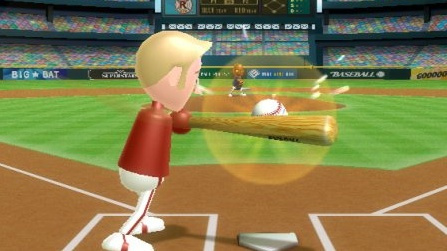
Wii Sports itself became one of the best-selling games on the platform; bundled copies account for the vast majority of its sales, which exceeded 80 million units globally, helping introduce millions of players to motion-based gameplay.
The decision to bundle Wii Sports is often cited within the industry as a textbook example of using a pack-in title to demonstrate hardware capabilities and broaden a console’s audience.
Nintendo’s approach to platform launches has evolved—on the Nintendo Switch (released March 3, 2017) the company leans heavily on digital promotion through Nintendo Direct presentations and the Nintendo eShop—but the Wii era remains a reference point for how a single, well-chosen pack-in can shape mainstream perception.
Reggie’s recollection underscores the strategic considerations behind bundling software with hardware and offers a rare insider look at a meeting between three figures who shaped modern Nintendo.
The success of Wii Sports and the Wii launch remains a notable chapter in Nintendo’s hardware history.
Reggie Fils-Aimé, who served as President and COO of Nintendo of America from 2006 to 2019, has repeatedly recounted a pivotal meeting with Nintendo president Satoru Iwata and legendary designer Shigeru Miyamoto about whether Wii Sports should be included with the system.
Fils-Aimé recalled that he told Miyamoto and Iwata he believed Wii Sports should be bundled with the Wii to exemplify the system’s gameplay.
According to Reggie’s account, Miyamoto initially resisted, telling him that Nintendo traditionally did not “give away content for free.” Reggie countered by pointing to precedent from the company’s past hardware launches, noting that Super Mario was bundled with the Super Nintendo Entertainment System (SNES) and that a strategically chosen pack-in could accelerate hardware adoption.
Ultimately, Miyamoto was persuaded and Wii Sports was included with many Wii consoles in key regions, a decision that proved influential for the console’s early momentum.
The Wii launched in North America on November 19, 2006, and went on to become one of Nintendo’s most successful home consoles, selling more than 100 million units worldwide during its lifetime.
Wii Sports itself became one of the best-selling games on the platform; bundled copies account for the vast majority of its sales, which exceeded 80 million units globally, helping introduce millions of players to motion-based gameplay.
The decision to bundle Wii Sports is often cited within the industry as a textbook example of using a pack-in title to demonstrate hardware capabilities and broaden a console’s audience.
Nintendo’s approach to platform launches has evolved—on the Nintendo Switch (released March 3, 2017) the company leans heavily on digital promotion through Nintendo Direct presentations and the Nintendo eShop—but the Wii era remains a reference point for how a single, well-chosen pack-in can shape mainstream perception.
Reggie’s recollection underscores the strategic considerations behind bundling software with hardware and offers a rare insider look at a meeting between three figures who shaped modern Nintendo.
The success of Wii Sports and the Wii launch remains a notable chapter in Nintendo’s hardware history.