

Update [Thu 26th Nov 2026, 7:05pm]: The debut episode of In Tim's World is now live.
Original Story [Fri 20th Nov 2026, 9:30am]
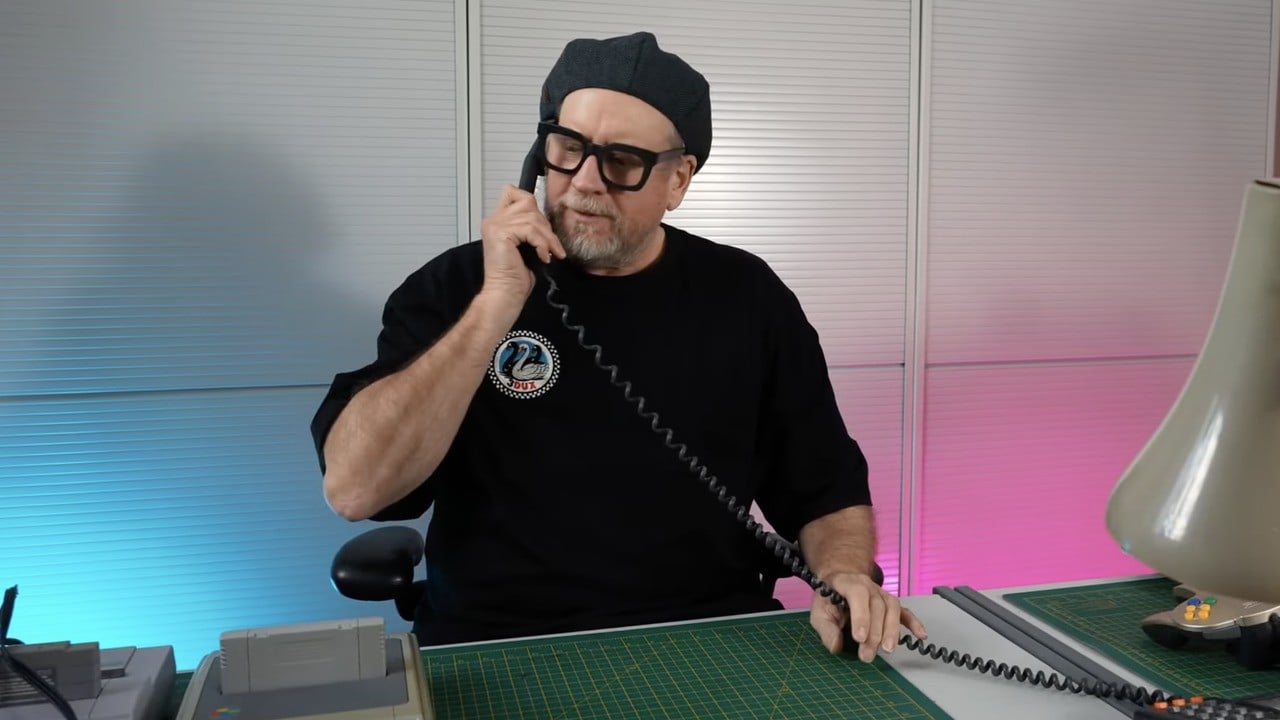
Tim Stamper, co-founder of Ultimate Play The Game and Rare, has relaunched his dormant YouTube channel, In Tim's World, and published a teaser for a planned archival series.
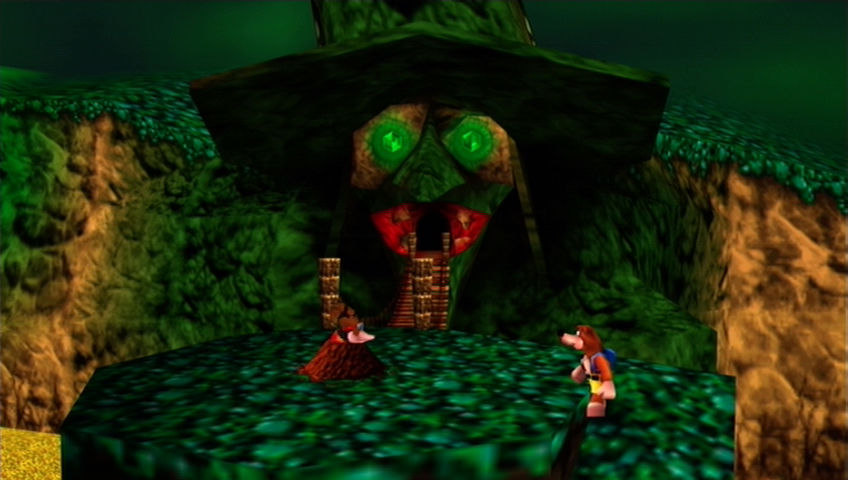
Stamper’s resume spans early microcomputer development and major console projects; his credits include Jetpac (1983) and Sabre Wulf (1984) on the ZX Spectrum, Donkey Kong Country (1994) on SNES, GoldenEye 007 (1997) and Banjo-Kazooie (1998) on Nintendo platforms, and Perfect Dark (2000).
The debut episode went live on 26 November 2026.
The channel teaser visually frames Stamper’s project as an opening of an archive: a stylised, googly-eyed key unlocks an ornate door to reveal a dragon’s hoard of relics.
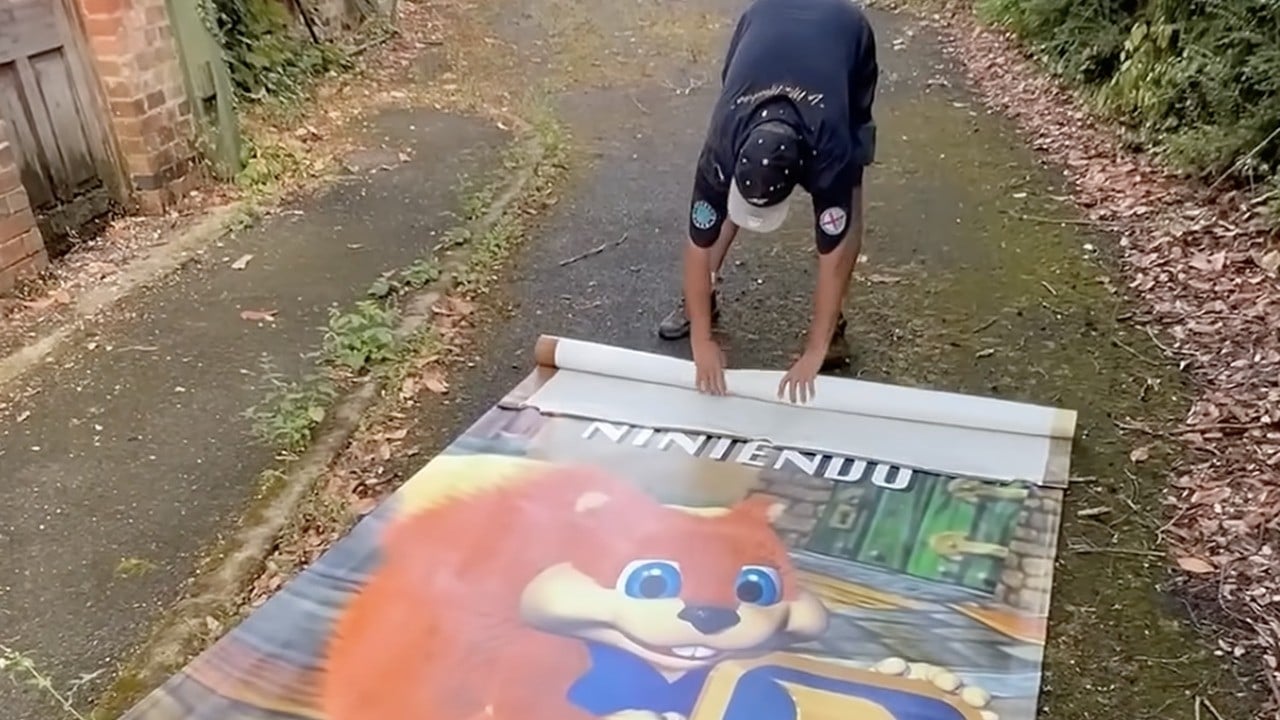
The teaser does not display any specific unreleased game builds or Conker-related material.
In the video description, Stamper identifies himself and outlines his intention in plain terms.
Paraphrasing his own words, he describes himself as the co-founder of Ultimate Play The Game, Rare, and FortuneFish, and says he has preserved documents and relics from his career since 1979 and is now prepared to end a long habit of secrecy.
He invites viewers to "follow me into the archive jungle" to uncover artifacts, demos, and forgotten development materials from across arcade, home computer, console, and mobile projects.
Those developments are significant for preservation: Stamper’s career spans multiple hardware generations, including development for the ZX Spectrum, NES, SNES, Nintendo 64, GameCube, Xbox, and Xbox 360.
Rare itself is notable for its 1990s partnership with Nintendo and for later becoming part of Microsoft following the 2002 acquisition — context that underscores the historical value of any primary-source materials Stamper may share.
The relaunch of In Tim's World promises first-person insight into five decades of game development from a studio founder whose teams produced several genre-defining titles.
The debut episode is available now on YouTube; we will monitor the channel for further episodes and archival releases and report confirmed findings as they are published.