

Tomodachi Life: Living the Dream Demo Lacks Profanity Filter, Surprising Nintendo Switch Community
Tomodachi Life: Living the Dream, Nintendo’s eagerly awaited life simulation title for the Nintendo Switch, is already making headlines following its demo release on the Nintendo eShop.
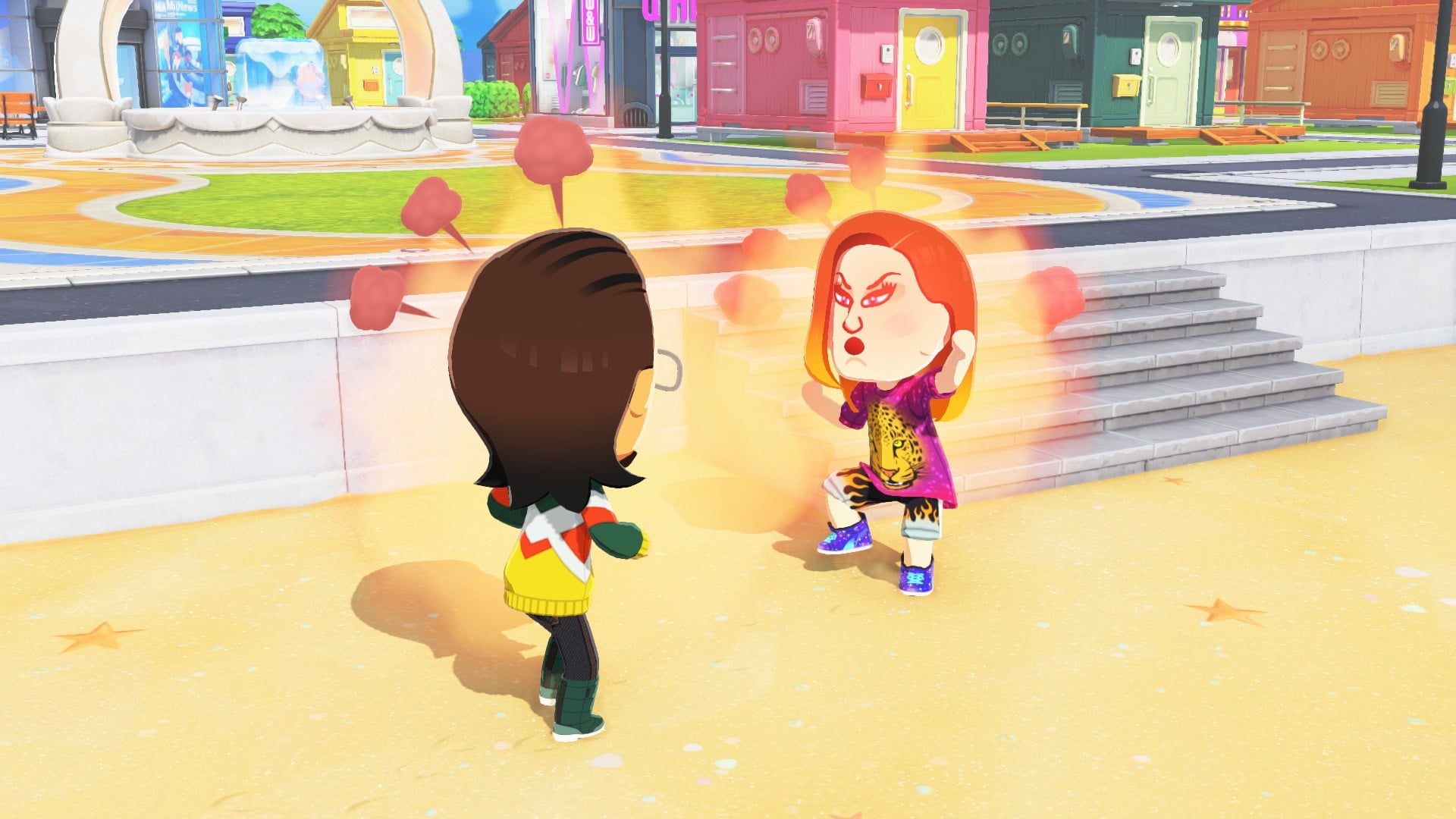
Developed by Nintendo, Tomodachi Life: Living the Dream continues the quirky legacy of its predecessors by letting players create and manage a community of Miis, encouraging endless social interactions and often hilarious scenarios.
The recent launch of the demo was met with enthusiasm—and a fair bit of experimentation by the community.
Within hours of the demo’s release, attentive fans discovered a notable feature—or absence thereof.
Players quickly realized that the title does not enforce a profanity or language filter on Mii speech.
This discovery was first highlighted on social platforms such as Bluesky, where users demonstrated that Miis can say unfiltered phrases, including strong language.
A number of Nintendo Switch owners and staff from dedicated Nintendo news sites have since corroborated these findings.
The Tomodachi Life subreddit also became an active spot for curated examples, ranging from harmless jokes to more risqué submissions, all possible due to the lack of a built-in text or speech filter.
The game’s unique speech-to-text system, which gives every Mii a customizable synthesized voice, amplifies the humor and novelty—sometimes creating comedic moments when unexpected words are spoken in playful, high-pitched voices.
Nintendo has not issued an official statement clarifying whether the absence of filtering is intentional or an oversight, but community members surmise the lack of an online sharing component in Tomodachi Life: Living the Dream factors into the decision.
Unlike titles with broader sharing features, this game restricts image sharing and online Mii exchanges, containing most communications to local experiences or friend groups on the Nintendo Switch.
As a result, the impact of unfiltered language is more limited and privately contained.
Tomodachi Life: Living the Dream follows other successful Nintendo franchises in bringing beloved life simulation experiences to the Nintendo Switch.
Previous Tomodachi Life entries, like the acclaimed Nintendo 3DS version, charmed players with creative freedom, though language filters were more commonly enforced in those editions.
Players interested in experiencing these freewheeling conversations firsthand can access the Tomodachi Life: Living the Dream demo on the Nintendo Switch eShop today.
As always, Nintendo encourages respectful use of in-game features.
However, this absence of a language filter marks a rare moment of unrestricted player expression in a Nintendo game, delighting long-time fans and newcomers alike.
With Tomodachi Life: Living the Dream, Nintendo once again demonstrates the unique, player-driven storytelling that has become a hallmark of its Switch library—now with even more unscripted, unfiltered fun.
Tomodachi Life: Living the Dream, Nintendo’s eagerly awaited life simulation title for the Nintendo Switch, is already making headlines following its demo release on the Nintendo eShop.
Developed by Nintendo, Tomodachi Life: Living the Dream continues the quirky legacy of its predecessors by letting players create and manage a community of Miis, encouraging endless social interactions and often hilarious scenarios.
The recent launch of the demo was met with enthusiasm—and a fair bit of experimentation by the community.
Within hours of the demo’s release, attentive fans discovered a notable feature—or absence thereof.
Players quickly realized that the title does not enforce a profanity or language filter on Mii speech.
This discovery was first highlighted on social platforms such as Bluesky, where users demonstrated that Miis can say unfiltered phrases, including strong language.
A number of Nintendo Switch owners and staff from dedicated Nintendo news sites have since corroborated these findings.
The Tomodachi Life subreddit also became an active spot for curated examples, ranging from harmless jokes to more risqué submissions, all possible due to the lack of a built-in text or speech filter.
The game’s unique speech-to-text system, which gives every Mii a customizable synthesized voice, amplifies the humor and novelty—sometimes creating comedic moments when unexpected words are spoken in playful, high-pitched voices.
Nintendo has not issued an official statement clarifying whether the absence of filtering is intentional or an oversight, but community members surmise the lack of an online sharing component in Tomodachi Life: Living the Dream factors into the decision.
Unlike titles with broader sharing features, this game restricts image sharing and online Mii exchanges, containing most communications to local experiences or friend groups on the Nintendo Switch.
As a result, the impact of unfiltered language is more limited and privately contained.
Tomodachi Life: Living the Dream follows other successful Nintendo franchises in bringing beloved life simulation experiences to the Nintendo Switch.
Previous Tomodachi Life entries, like the acclaimed Nintendo 3DS version, charmed players with creative freedom, though language filters were more commonly enforced in those editions.
Players interested in experiencing these freewheeling conversations firsthand can access the Tomodachi Life: Living the Dream demo on the Nintendo Switch eShop today.
As always, Nintendo encourages respectful use of in-game features.
However, this absence of a language filter marks a rare moment of unrestricted player expression in a Nintendo game, delighting long-time fans and newcomers alike.
With Tomodachi Life: Living the Dream, Nintendo once again demonstrates the unique, player-driven storytelling that has become a hallmark of its Switch library—now with even more unscripted, unfiltered fun.