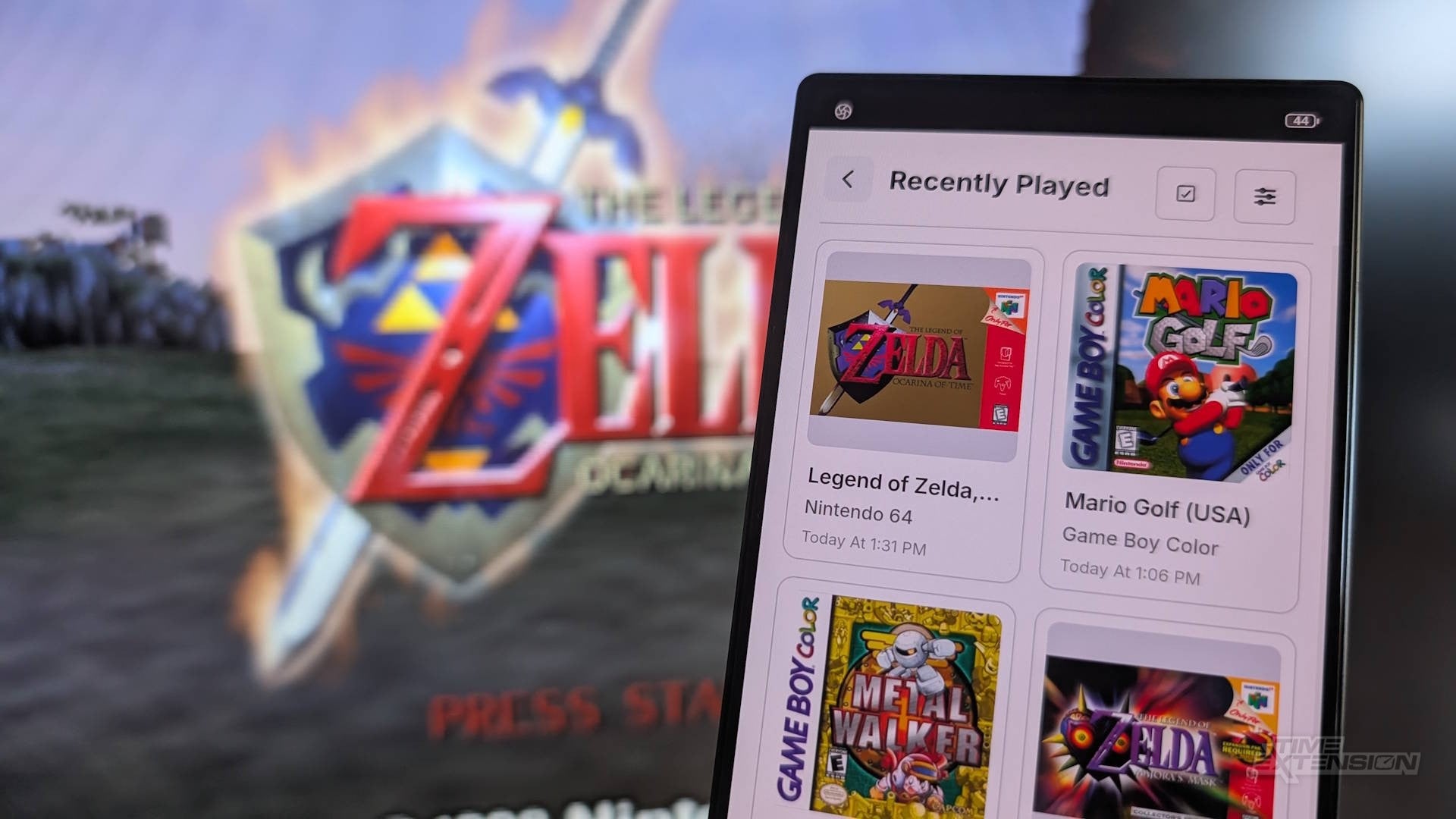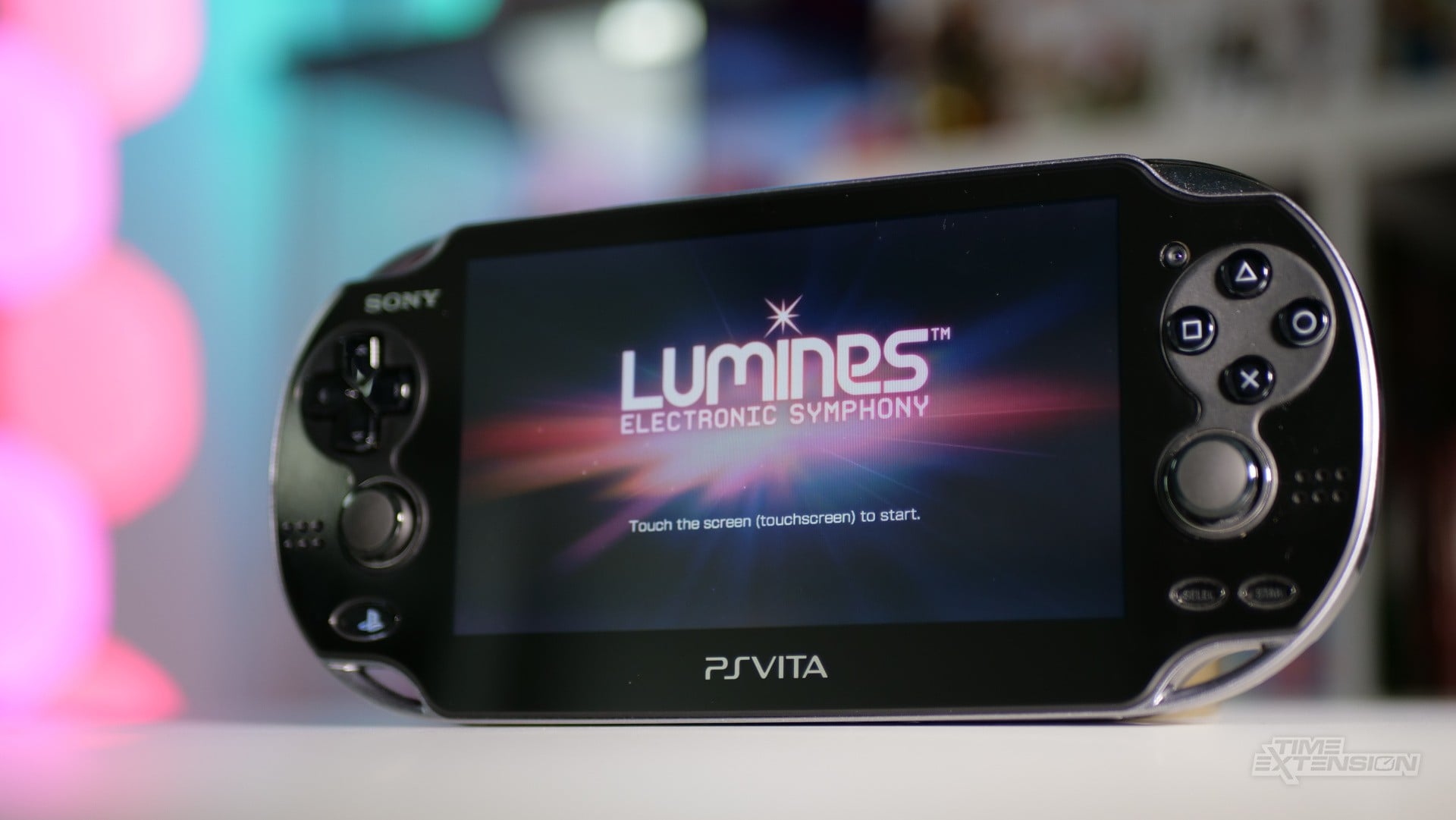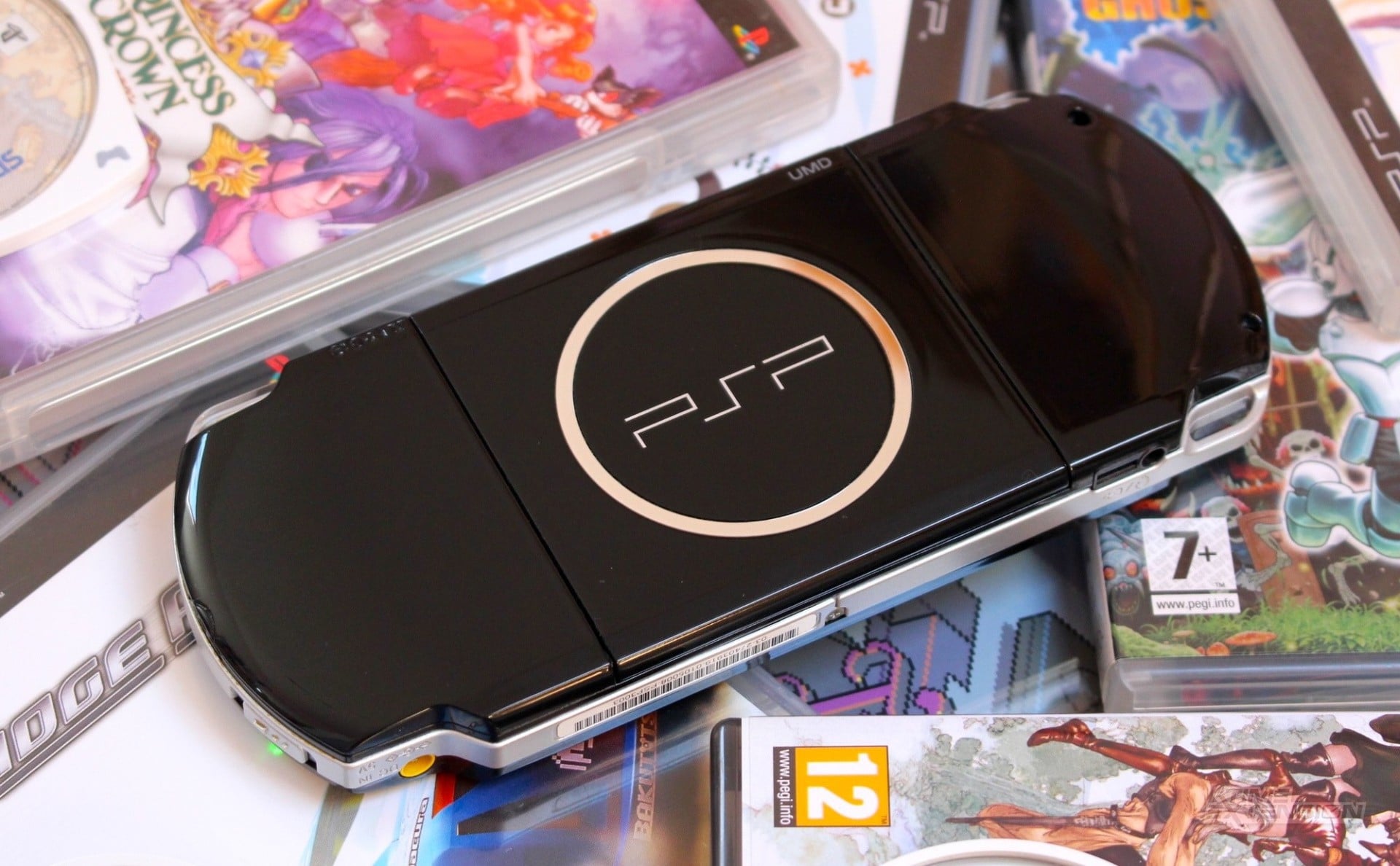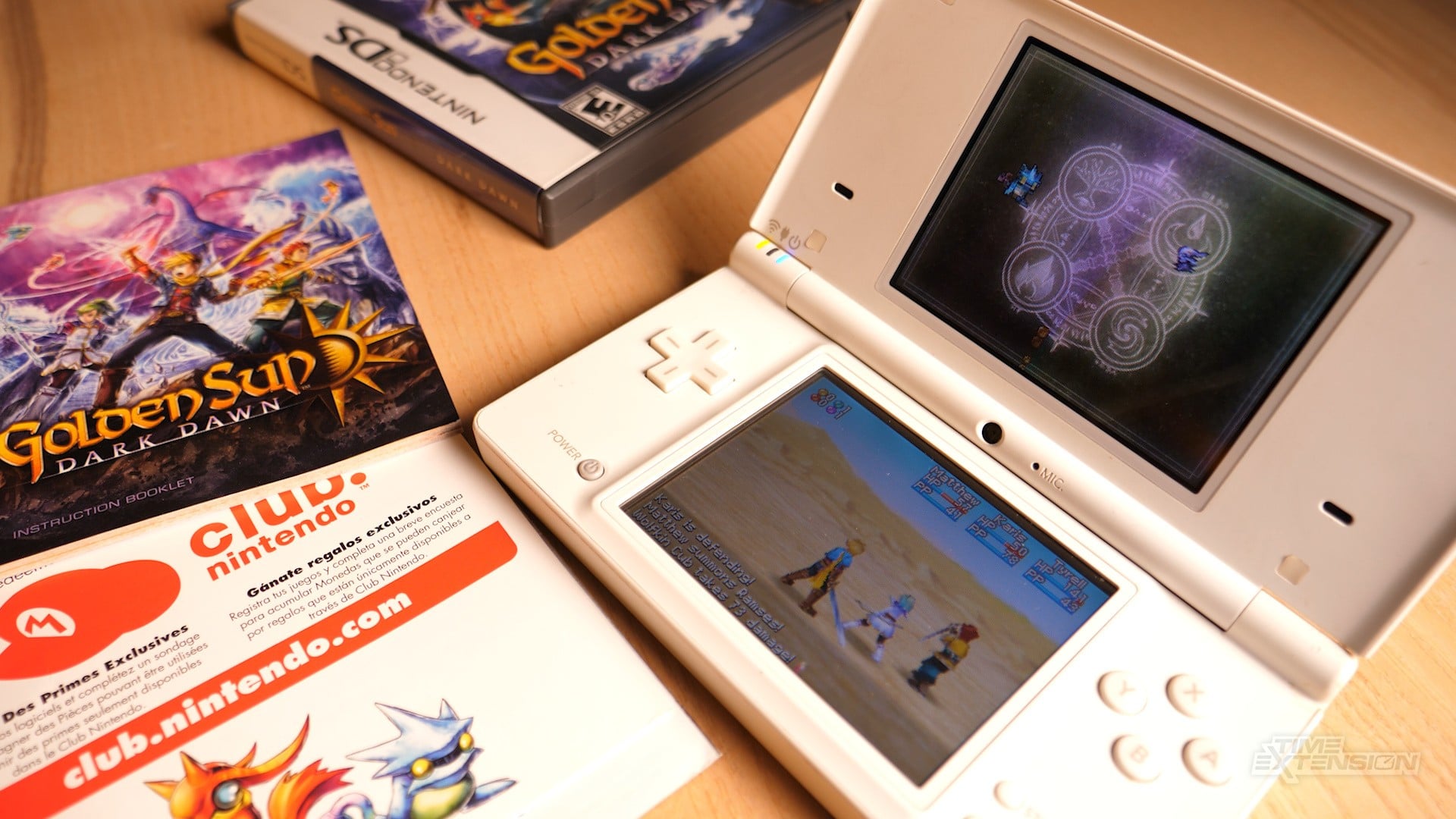
The legacy of handheld gaming is inseparable from Nintendo, a company that has consistently shaped the landscape of portable entertainment for decades. While the 1970s saw early innovators such as Mattel and Waco experiment with basic electronic devices, it was Nintendo's visionary approach in the 1980s that truly ignited the portable gaming revolution. Recent social media misstatements have muddied the timeline, incorrectly crediting later devices like the PlayStation Portable (PSP) as the originators of portable gaming. This article aims to set the record straight, highlighting Nintendo’s foundational contributions and the evolution of handheld gaming up to the present day.
Handheld gaming’s earliest roots trace back to the likes of Mattel and Waco, whose basic digital games in the late 1970s captured imaginations but offered limited functionality. Nintendo entered the scene with its Game & Watch series, developed by Gunpei Yokoi and launched in 1980. Game & Watch introduced the concept of dedicated portable consoles, selling over 43 million units worldwide during its run. Its innovative design elements, such as the D-pad and dual-screen format, would go on to influence future Nintendo products—including the Nintendo DS.
Nintendo’s true watershed moment arrived in 1989 with the release of the Game Boy. The Game Boy, built to last with impressive battery life and a robust game library, became a global phenomenon. To date, the Game Boy and its subsequent iterations (Game Boy Color, Game Boy Advance) have sold more than 118 million units worldwide, cementing Nintendo's status as the leader in handheld gaming. Titles like 'Tetris' and 'Pokémon Red and Blue' became cultural milestones, driving both hardware and software sales to record heights.
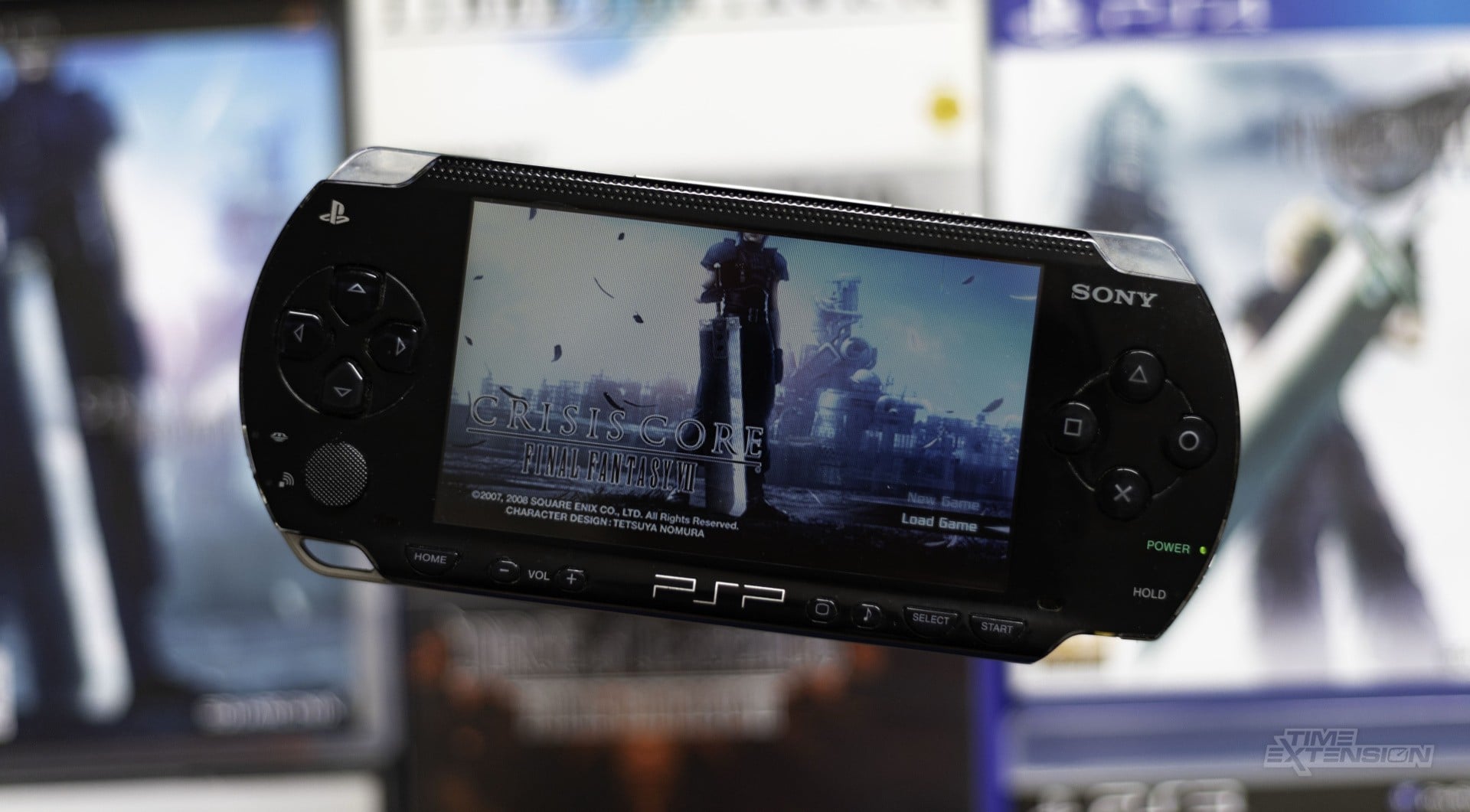
Recently, Linda McMahon, United States Secretary of Education and former WWE CEO, made headlines when her official social media account published an inaccurate chronology of portable gaming, stating, “In 2005, everything changed. The 'PlayStation Portable' (PSP) was released and it did more than make gaming portable...it made entertainment personal, mobile, and always within reach. It was the beginning of life on the go.” Beyond misstating the PSP’s release year (which was actually Japan, 2004), the post overlooked decades of innovation initiated by Nintendo’s Game & Watch and Game Boy systems. The online community quickly responded; Twitter’s 'community notes' feature was used to clarify the timeline, and commentators emphasized Nintendo's longstanding leadership in handheld gaming. Additionally, the image accompanying McMahon's post did not feature a PSP, further compounding the confusion.
Today, Nintendo continues to innovate with the Nintendo Switch—a hybrid console that merges handheld and home gaming, surpassing 141 million units sold globally as of 2024. The Nintendo Switch’s success is a testament to decades of mastery in balancing portability, engaging software, and hardware ingenuity. Nintendo's rich legacy, from electronic handhelds of the 1980s to the modern-day Switch and robust eShop ecosystem, remains the benchmark in portable gaming.
As the handheld gaming sector continues to evolve, the importance of historical accuracy becomes clear: companies like Nintendo laid the groundwork that modern portable consoles still build upon today. The story of handheld gaming is, first and foremost, a story of Nintendo's passion, innovation, and lasting impact on players worldwide.
Nintendo's Pioneering Role in Handheld Gaming: Correcting the Record After Recent Social Media Missteps
Nintendo News Hub
Game Pages Mentioned In This Article
Use these Nintendo Switch game pages to keep exploring the titles connected to this story, including related genres, developers, screenshots, and more coverage.
Source: TimeExtension