

A recent brand perception survey conducted by Nikkei, one of Japan’s leading business publications, has shed new light on how the Nintendo Switch and its parent company, Nintendo, are viewed within Japan's highly competitive market.
The sprawling poll, which sampled responses from over 37,000 Japanese citizens and evaluated 1,000 different brand names, offers fresh insights into the influence of gaming brands across different generations in Japan.
For its analysis, Nikkei divided survey results into categories based on age, specifically highlighting the preferences of participants under 20 years old.
In this demographic, video platform YouTube emerged as the most influential brand, capturing the top spot.
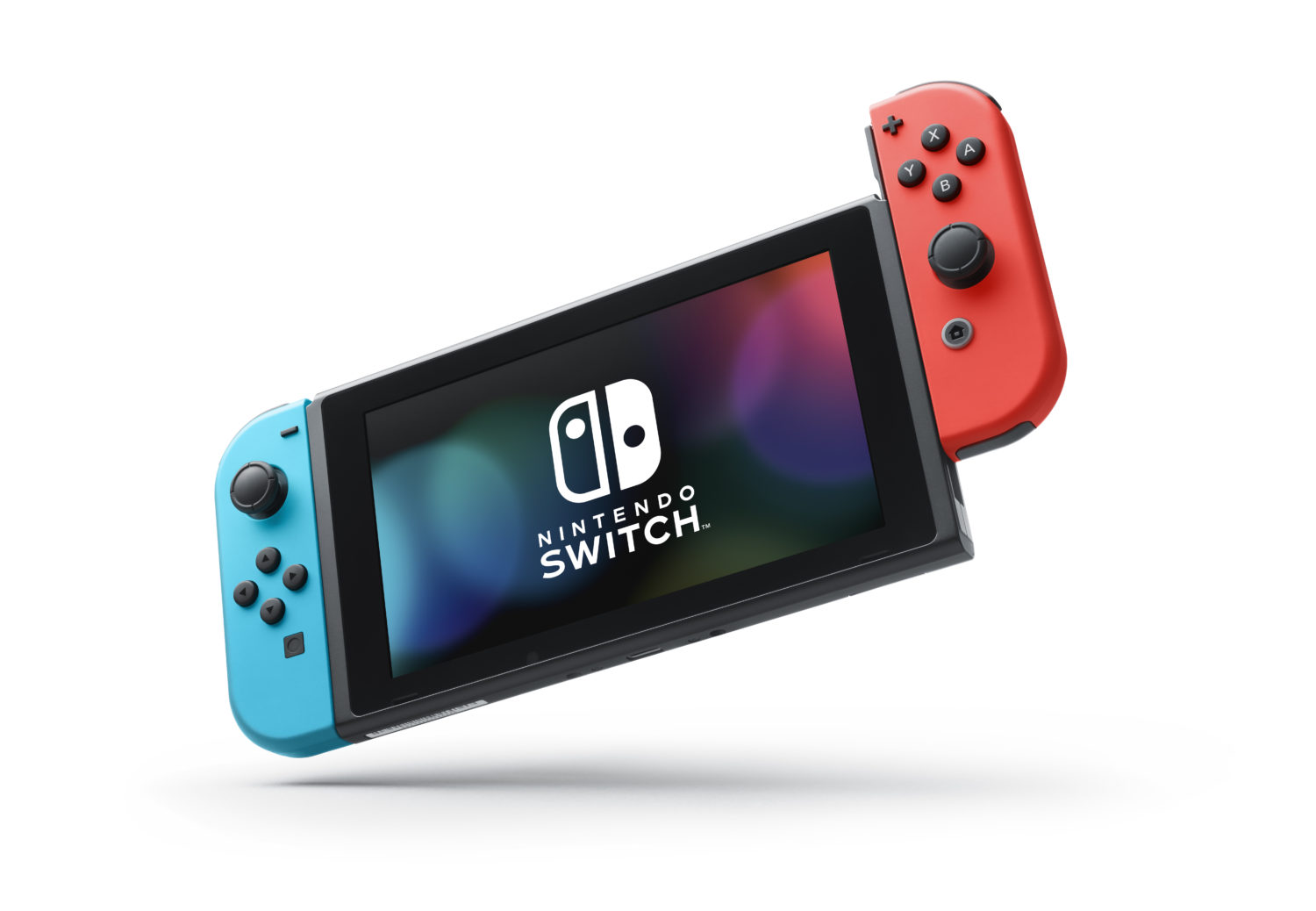
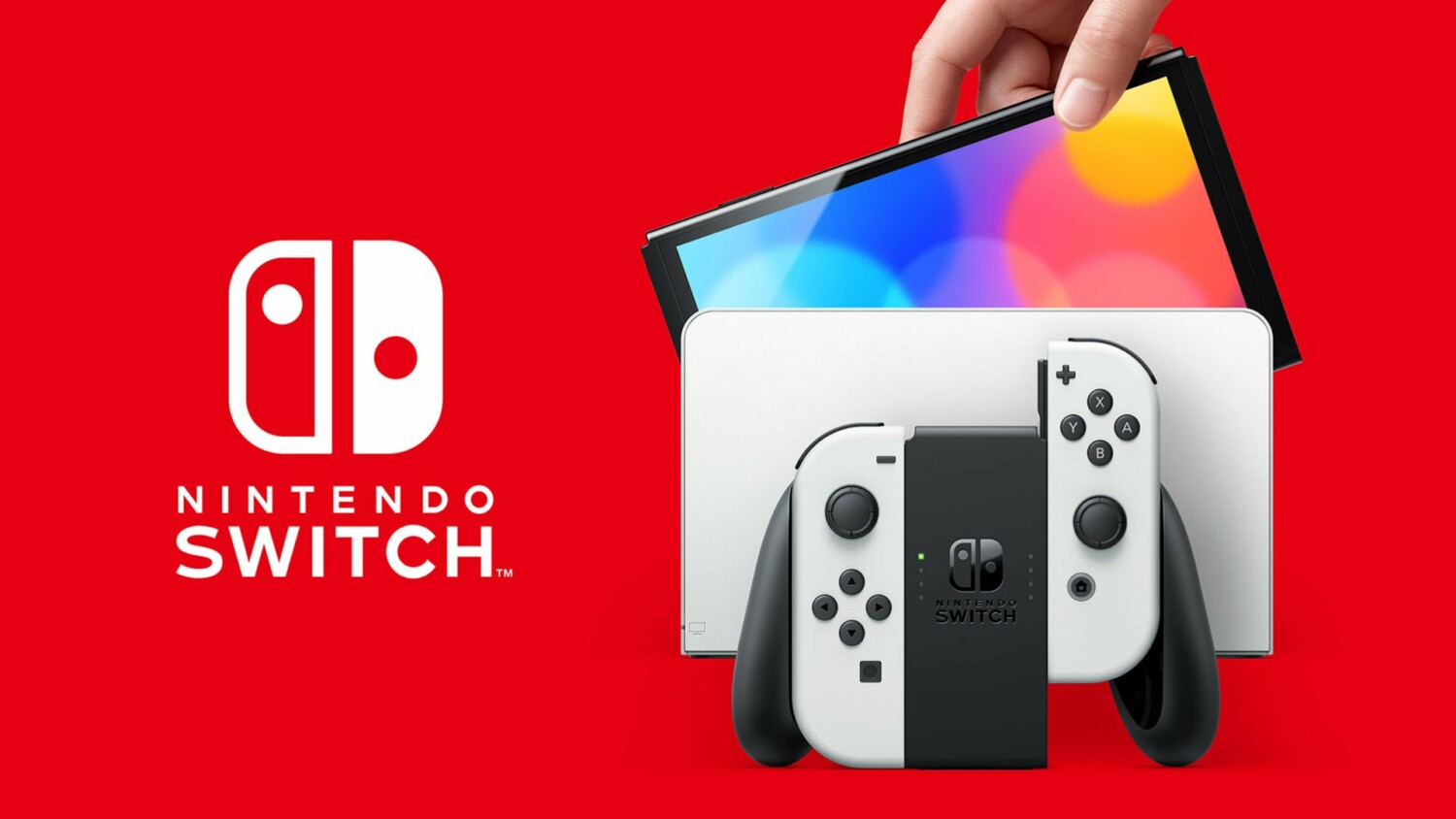
The Nintendo Switch followed closely in second place, with Nintendo as a company taking the third position.
Additionally, the iconic Pokémon franchise—another successful property originating from Nintendo—secured seventh place among youth respondents.
The distinction between the Nintendo Switch and its corporate creator, Nintendo, is particularly notable in the survey results.
Industry analysts point to the way each brand is represented in Japanese language as a key factor.
The Nintendo Switch is written in katakana (ニンテンドースイッチ), a phonetic script typically used for foreign words and names, making it more accessible and immediately recognizable to young consumers.
In contrast, Nintendo the company is written in kanji (任天堂), which may be more formally understood by older generations.
This subtle difference likely contributes to a stronger connection between younger audiences and the Nintendo Switch hardware itself, as opposed to the umbrella brand of Nintendo.
Among all participants, regardless of age, the rankings shift significantly.
Nintendo as a company drops to twelfth place, while the Nintendo Switch falls much further, landing at fifty-ninth.
This suggests that, for the wider Japanese public, Nintendo's legacy as a brand holds more sustained recognition than any individual product in its portfolio—a trend consistent with how broader audiences perceive established companies versus their flagship products.
The survey’s findings underscore the importance of both product differentiation and brand identity in the Japanese gaming market, particularly as Nintendo continues to build on the global success of the Nintendo Switch since its launch in 2017.
Despite facing fierce competition from other platforms and the growing dominance of digital entertainment such as YouTube, Nintendo remains one of the most powerful and recognizable names in Japanese consumer culture.
The strong showing of Pokémon also reaffirms the enduring value of Nintendo's intellectual properties, which consistently capture the imaginations of both new and longtime fans.
As the Nintendo Switch continues its lifecycle and Nintendo develops future offerings for platforms like the Nintendo Switch eShop and upcoming hardware, understanding how younger and older generations perceive their brands will be critical for maintaining the company's industry leadership and cultural relevance.
The sprawling poll, which sampled responses from over 37,000 Japanese citizens and evaluated 1,000 different brand names, offers fresh insights into the influence of gaming brands across different generations in Japan.
For its analysis, Nikkei divided survey results into categories based on age, specifically highlighting the preferences of participants under 20 years old.
In this demographic, video platform YouTube emerged as the most influential brand, capturing the top spot.
The Nintendo Switch followed closely in second place, with Nintendo as a company taking the third position.
Additionally, the iconic Pokémon franchise—another successful property originating from Nintendo—secured seventh place among youth respondents.
The distinction between the Nintendo Switch and its corporate creator, Nintendo, is particularly notable in the survey results.
Industry analysts point to the way each brand is represented in Japanese language as a key factor.
The Nintendo Switch is written in katakana (ニンテンドースイッチ), a phonetic script typically used for foreign words and names, making it more accessible and immediately recognizable to young consumers.
In contrast, Nintendo the company is written in kanji (任天堂), which may be more formally understood by older generations.
This subtle difference likely contributes to a stronger connection between younger audiences and the Nintendo Switch hardware itself, as opposed to the umbrella brand of Nintendo.
Among all participants, regardless of age, the rankings shift significantly.
Nintendo as a company drops to twelfth place, while the Nintendo Switch falls much further, landing at fifty-ninth.
This suggests that, for the wider Japanese public, Nintendo's legacy as a brand holds more sustained recognition than any individual product in its portfolio—a trend consistent with how broader audiences perceive established companies versus their flagship products.
The survey’s findings underscore the importance of both product differentiation and brand identity in the Japanese gaming market, particularly as Nintendo continues to build on the global success of the Nintendo Switch since its launch in 2017.
Despite facing fierce competition from other platforms and the growing dominance of digital entertainment such as YouTube, Nintendo remains one of the most powerful and recognizable names in Japanese consumer culture.
The strong showing of Pokémon also reaffirms the enduring value of Nintendo's intellectual properties, which consistently capture the imaginations of both new and longtime fans.
As the Nintendo Switch continues its lifecycle and Nintendo develops future offerings for platforms like the Nintendo Switch eShop and upcoming hardware, understanding how younger and older generations perceive their brands will be critical for maintaining the company's industry leadership and cultural relevance.