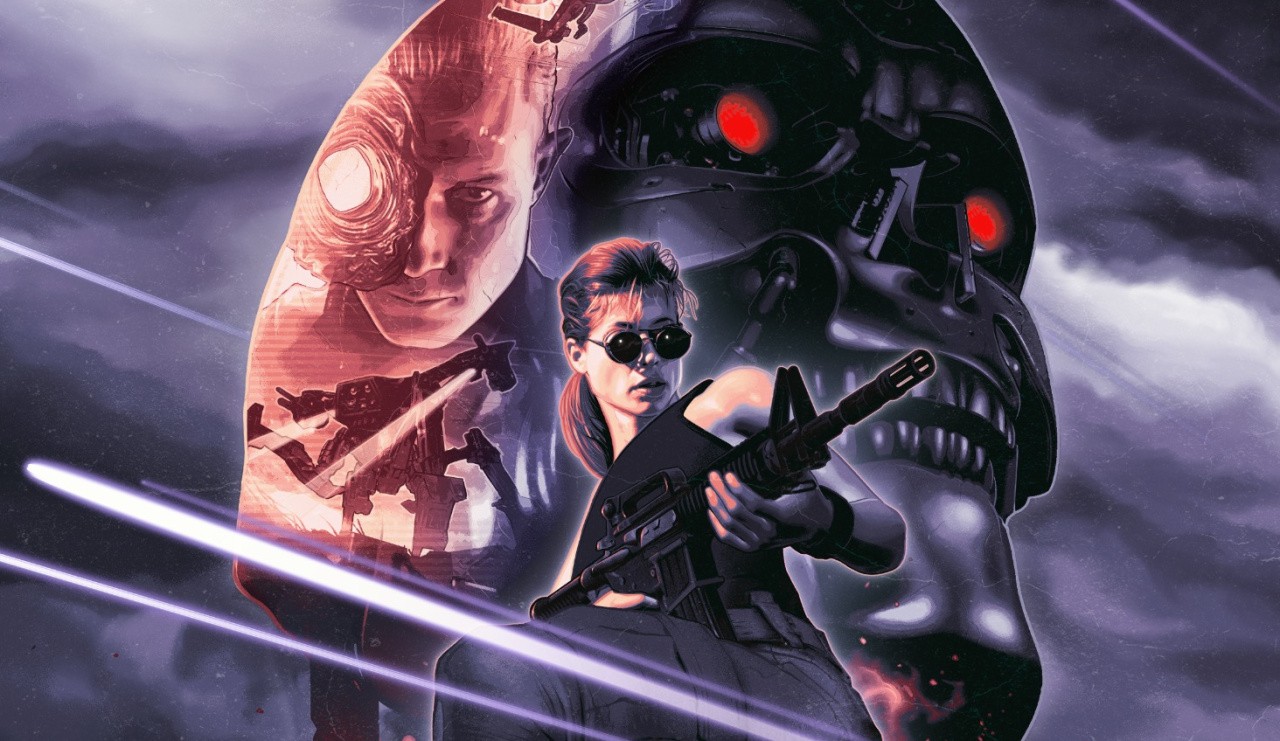
In the 1980s and early 1990s, video game box art was an industry craft defined by hand-painted illustrations and photo-referenced poses rather than the CGI-heavy design of later decades.
Developers and publishers needed striking retail packaging to stand out on crowded shelves for platforms ranging from arcade cabinets to home consoles such as the NES and Sega Genesis (Mega Drive).
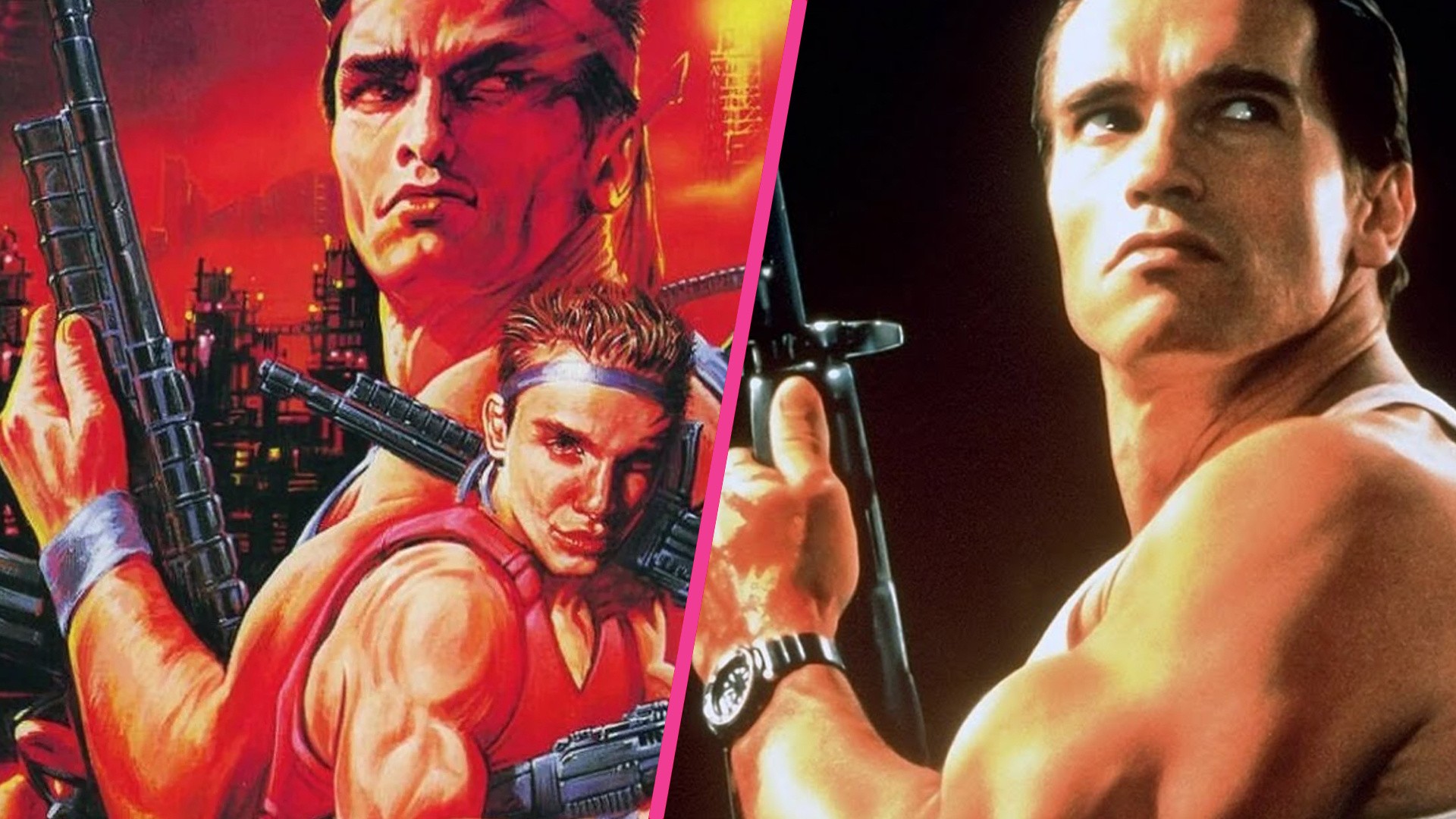
That demand led many cover artists to borrow visual cues from popular action-movie posters, producing imagery that often echoed the era’s biggest stars.
One of the most frequently cited examples is Arnold Schwarzenegger.
Few would have predicted that Schwarzenegger’s cinematic image would be echoed across a surprising number of video game covers, but collectors and historians note repeated visual parallels.
Konami’s Contra series, which began as an arcade title in 1987 before appearing on home consoles, regularly employed commando-style poses and muscular protagonists that mirror the period’s action-film aesthetic.
Hardcore Gaming 101 maintains a gallery documenting this trend across multiple covers and releases.
Writers covering the phenomenon have observed that Schwarzenegger was not the only action star whose likeness found its way into game art.
Sylvester Stallone’s on-screen persona also served as source material for illustrators seeking the iconic, hyper-masculine pose typical of late-1980s advertising.
In short, game packaging frequently borrowed the visual shorthand of Hollywood blockbusters to signal excitement and spectacle.
This visual cross-pollination is visible across a range of titles and publishers.
Sega’s Golden Axe III (released for the Mega Drive in 1993) and various arcade and home releases from companies like Taito and Konami display the same cinematic influences.
Those historical covers continue to draw attention today as many retro titles appear on modern platforms: collections and re-releases for contemporary systems, including digital storefronts such as the Nintendo Switch eShop, often bring renewed scrutiny to original box art and marketing materials.
For historians, collectors and developers, the period’s box art is both a reflection of production constraints—hand-painted covers, regional marketing differences—and a cultural snapshot of how video games positioned themselves alongside mainstream entertainment.
Galleries like the one hosted by Hardcore Gaming 101 provide a useful visual record for anyone researching the lineage of game marketing and the enduring impact of 1980s action cinema on video game design.
Developers and publishers needed striking retail packaging to stand out on crowded shelves for platforms ranging from arcade cabinets to home consoles such as the NES and Sega Genesis (Mega Drive).
That demand led many cover artists to borrow visual cues from popular action-movie posters, producing imagery that often echoed the era’s biggest stars.
One of the most frequently cited examples is Arnold Schwarzenegger.
Few would have predicted that Schwarzenegger’s cinematic image would be echoed across a surprising number of video game covers, but collectors and historians note repeated visual parallels.
Konami’s Contra series, which began as an arcade title in 1987 before appearing on home consoles, regularly employed commando-style poses and muscular protagonists that mirror the period’s action-film aesthetic.
Hardcore Gaming 101 maintains a gallery documenting this trend across multiple covers and releases.
Writers covering the phenomenon have observed that Schwarzenegger was not the only action star whose likeness found its way into game art.
Sylvester Stallone’s on-screen persona also served as source material for illustrators seeking the iconic, hyper-masculine pose typical of late-1980s advertising.
In short, game packaging frequently borrowed the visual shorthand of Hollywood blockbusters to signal excitement and spectacle.
This visual cross-pollination is visible across a range of titles and publishers.
Sega’s Golden Axe III (released for the Mega Drive in 1993) and various arcade and home releases from companies like Taito and Konami display the same cinematic influences.
Those historical covers continue to draw attention today as many retro titles appear on modern platforms: collections and re-releases for contemporary systems, including digital storefronts such as the Nintendo Switch eShop, often bring renewed scrutiny to original box art and marketing materials.
For historians, collectors and developers, the period’s box art is both a reflection of production constraints—hand-painted covers, regional marketing differences—and a cultural snapshot of how video games positioned themselves alongside mainstream entertainment.
Galleries like the one hosted by Hardcore Gaming 101 provide a useful visual record for anyone researching the lineage of game marketing and the enduring impact of 1980s action cinema on video game design.