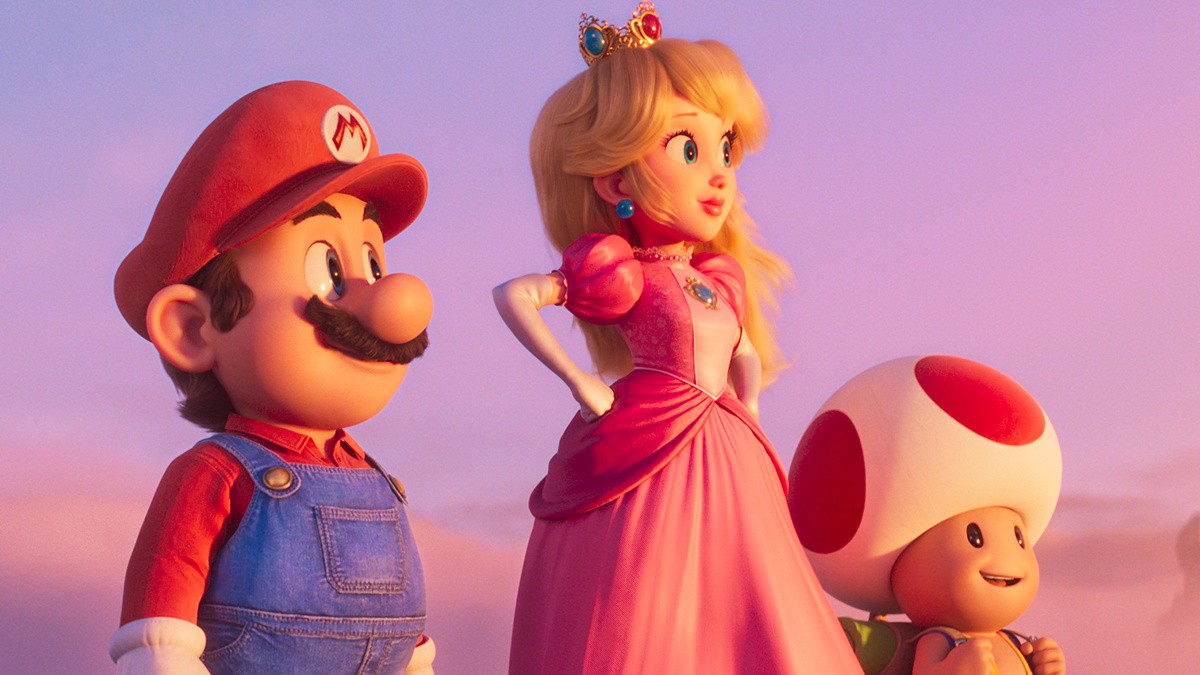

As the excitement around Illumination and Nintendo’s The Super Mario Bros.
Movie continues to build, fans have noticed that some of the most intriguing reveals have come not from official sources like trailers or Nintendo Direct events, but from McDonald’s promotional campaigns.
Over recent months, McDonald’s Happy Meal toys tied to the movie have provided not only fun collectibles for fans but also surprising insights into the Mushroom Kingdom’s cinematic debut, highlighting Nintendo's ongoing strategy to merge gaming and mainstream pop culture on a global scale.
The Super Mario Bros.
Movie, a collaboration between Nintendo and Illumination, is poised to become a significant entry in the long-standing Mario franchise.
With its anticipated release rallying longtime and new fans alike, the cross-promotion with McDonald’s has become a major talking point—especially as different regions receive unique sets of toys.
In the United States and Japan, McDonald’s has distributed a series of eight plastic Happy Meal toys, each featuring iconic characters from the movie and showcasing individual gimmicks.
For example, Mario emerges from a pipe in a jumping motion, Bowser unleashes a plastic flame, and Princess Peach spins energetically.
These toys capture the action and humor that both Nintendo and Illumination are known for, providing dynamic play experiences for kids and collectors.
McDonald’s Japan even released a trailer demonstrating the toys in motion, and images of full displays have surfaced online via accounts like @nintendomerch.
Meanwhile, McDonald’s locations across Europe have taken a different approach, reflecting evolving attitudes towards sustainability and collectibility.
Rather than plastic figures, the European Happy Meal promotion features a collection of twelve buildable cardboard kits.
Each kit allows fans to assemble display-quality cutouts of characters and scenes from The Super Mario Bros.
Movie, such as Donkey Kong’s kart and various individual character poses.
While these cardboard figures may trade some playability for display appeal, they are intricately designed and hold their own as high-quality collectibles, as shared by enthusiastic European collectors on social platforms.
The regional differences highlight Nintendo’s adaptability in worldwide merchandising strategies, and the global reach of Illumination's movie tie-ins.
Although some young fans may prefer the kinetic fun offered by the US and Japanese plastic toys, others appreciate the detail and environmental consciousness of the European cardboard sets.
Regardless of preference, the Super Mario Bros.
Movie Happy Meal toys reflect how Nintendo and its partners are leveraging every avenue to engage fans, from plastic bits to cardboard kits.
As The Super Mario Bros.
Movie’s promotional campaign continues to delight fans worldwide, these Happy Meal collectibles underscore just how far Nintendo’s flagship franchise has come—from game cartridges to blockbuster films, and now, to Happy Meals shared in homes from Tokyo to London and beyond.
Movie continues to build, fans have noticed that some of the most intriguing reveals have come not from official sources like trailers or Nintendo Direct events, but from McDonald’s promotional campaigns.
Over recent months, McDonald’s Happy Meal toys tied to the movie have provided not only fun collectibles for fans but also surprising insights into the Mushroom Kingdom’s cinematic debut, highlighting Nintendo's ongoing strategy to merge gaming and mainstream pop culture on a global scale.
The Super Mario Bros.
Movie, a collaboration between Nintendo and Illumination, is poised to become a significant entry in the long-standing Mario franchise.
With its anticipated release rallying longtime and new fans alike, the cross-promotion with McDonald’s has become a major talking point—especially as different regions receive unique sets of toys.
In the United States and Japan, McDonald’s has distributed a series of eight plastic Happy Meal toys, each featuring iconic characters from the movie and showcasing individual gimmicks.
For example, Mario emerges from a pipe in a jumping motion, Bowser unleashes a plastic flame, and Princess Peach spins energetically.
These toys capture the action and humor that both Nintendo and Illumination are known for, providing dynamic play experiences for kids and collectors.
McDonald’s Japan even released a trailer demonstrating the toys in motion, and images of full displays have surfaced online via accounts like @nintendomerch.
Meanwhile, McDonald’s locations across Europe have taken a different approach, reflecting evolving attitudes towards sustainability and collectibility.
Rather than plastic figures, the European Happy Meal promotion features a collection of twelve buildable cardboard kits.
Each kit allows fans to assemble display-quality cutouts of characters and scenes from The Super Mario Bros.
Movie, such as Donkey Kong’s kart and various individual character poses.
While these cardboard figures may trade some playability for display appeal, they are intricately designed and hold their own as high-quality collectibles, as shared by enthusiastic European collectors on social platforms.
The regional differences highlight Nintendo’s adaptability in worldwide merchandising strategies, and the global reach of Illumination's movie tie-ins.
Although some young fans may prefer the kinetic fun offered by the US and Japanese plastic toys, others appreciate the detail and environmental consciousness of the European cardboard sets.
Regardless of preference, the Super Mario Bros.
Movie Happy Meal toys reflect how Nintendo and its partners are leveraging every avenue to engage fans, from plastic bits to cardboard kits.
As The Super Mario Bros.
Movie’s promotional campaign continues to delight fans worldwide, these Happy Meal collectibles underscore just how far Nintendo’s flagship franchise has come—from game cartridges to blockbuster films, and now, to Happy Meals shared in homes from Tokyo to London and beyond.