
Nintendo Switch 2 Faces Pricing Pressure Amid Sony's PS5 Price Increase
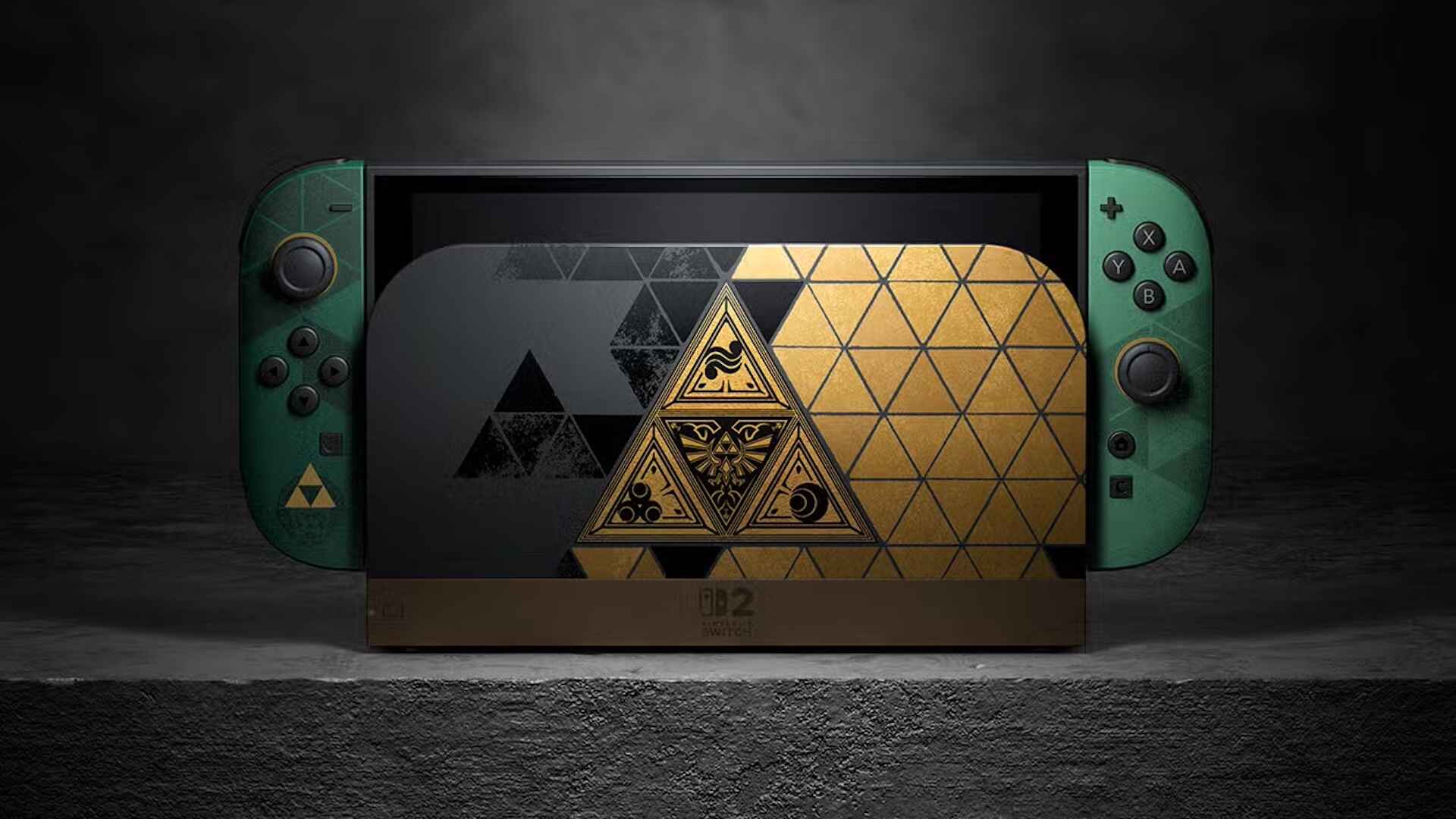
The gaming industry is abuzz with discussion about hardware pricing, and the latest developments put long-awaited devices such as the Nintendo Switch 2 under renewed scrutiny.
As anticipation for Nintendo's next console builds, consumers are closely watching how pricing decisions—both within Nintendo and across the broader console market—could affect accessibility and sales.
Nintendo Switch, originally released in March 2017, has enjoyed phenomenal success for Nintendo, offering a hybrid gaming experience and boasting over 125 million units sold globally as of 2024.
But with supply chain challenges and component costs rising worldwide, questions loom about affordability for the next generation.
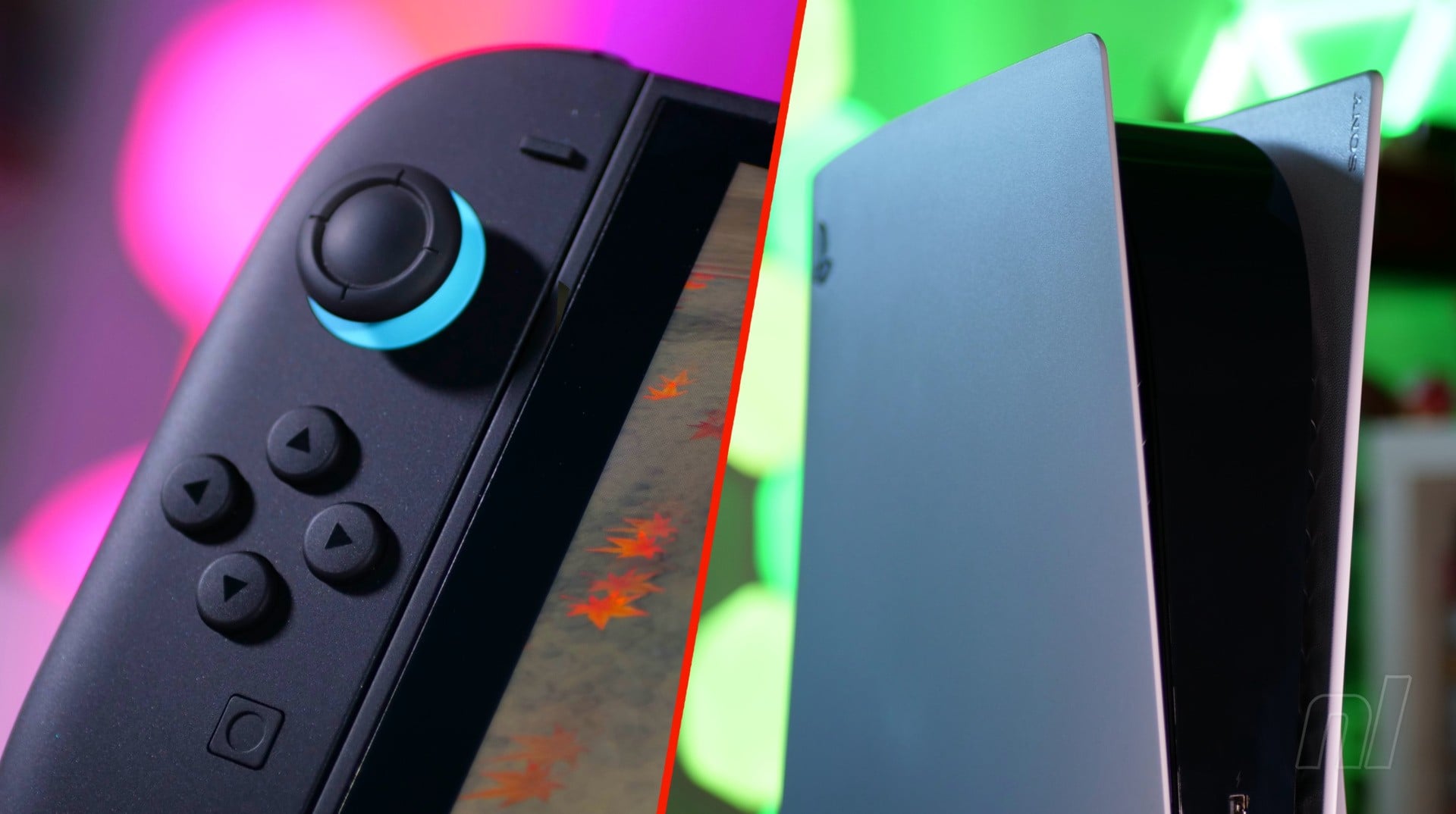
In a recent announcement, Sony revealed a significant price increase for its flagship PlayStation 5 systems, a move that has made waves throughout the industry.
Citing ongoing pressures in the global economic landscape, Sony is introducing new retail prices for the PS5, PS5 Digital Edition, PS5 Pro, and PS Portal starting April 2, 2026.
The updated prices are as follows:
- PS5: £569.99 / €649.99 / $649.99
- PS5 Digital Edition: £519.99 / €599.99 / $599.99
- PS5 Pro: £789.99 / €899.99 / $899.99
- PS Portal: £219.99 / €249.99 / $249.99
These substantial increases, amounting to as much as $100 or more for some models, reflect the current economic climate and present a new baseline for premium home consoles.
Sony stated that these adjustments are a response to continued cost pressures worldwide, echoing broader industry concerns about inflation and the rising expense of critical components such as RAM and specialized hardware.
While some industry observers anticipate that these higher prices could dampen demand for PlayStation consoles, the situation has triggered broader reflection on how Nintendo might position the Switch 2.
Historically, Nintendo has favored a more consumer-friendly pricing strategy, often undercutting major competitors.
As of the most recent reports, the Nintendo Switch 2 is expected to launch at £395.99 / €469.99 / $449.99, pitching it as a more attainable alternative amid escalating hardware prices elsewhere.
However, industry analysts and fans alike recognize that this price point sits at the higher end of what many would consider affordable for mass-market adoption.
The prospect of any future price increase—should component shortages or global economic shifts deepen—could undermine Nintendo’s ability to sustain the stellar early sales momentum that has come to define its hardware launches.
To date, Nintendo has not formally announced any changes to its projected pricing or availability for the upcoming Switch 2.
The company continues to prioritize value and accessibility via platforms like the Nintendo eShop, and continues to highlight its unique hardware offerings during Nintendo Direct events, keeping its player base informed and engaged.
As the hardware market experiences these seismic shifts, Nintendo’s pricing strategies for the Switch 2 will remain a crucial factor to watch.
In summary, with Sony’s PlayStation 5 price hike setting a new benchmark for the high end of the market, all eyes are now on Nintendo's next move.
Will the Switch 2 maintain its competitive advantage through pricing, or will market pressures force a rethink?
The answer will shape the industry and, ultimately, determine which platforms dominate the years ahead.
The gaming industry is abuzz with discussion about hardware pricing, and the latest developments put long-awaited devices such as the Nintendo Switch 2 under renewed scrutiny.
As anticipation for Nintendo's next console builds, consumers are closely watching how pricing decisions—both within Nintendo and across the broader console market—could affect accessibility and sales.
Nintendo Switch, originally released in March 2017, has enjoyed phenomenal success for Nintendo, offering a hybrid gaming experience and boasting over 125 million units sold globally as of 2024.
But with supply chain challenges and component costs rising worldwide, questions loom about affordability for the next generation.
In a recent announcement, Sony revealed a significant price increase for its flagship PlayStation 5 systems, a move that has made waves throughout the industry.
Citing ongoing pressures in the global economic landscape, Sony is introducing new retail prices for the PS5, PS5 Digital Edition, PS5 Pro, and PS Portal starting April 2, 2026.
The updated prices are as follows:
- PS5: £569.99 / €649.99 / $649.99
- PS5 Digital Edition: £519.99 / €599.99 / $599.99
- PS5 Pro: £789.99 / €899.99 / $899.99
- PS Portal: £219.99 / €249.99 / $249.99
These substantial increases, amounting to as much as $100 or more for some models, reflect the current economic climate and present a new baseline for premium home consoles.
Sony stated that these adjustments are a response to continued cost pressures worldwide, echoing broader industry concerns about inflation and the rising expense of critical components such as RAM and specialized hardware.
While some industry observers anticipate that these higher prices could dampen demand for PlayStation consoles, the situation has triggered broader reflection on how Nintendo might position the Switch 2.
Historically, Nintendo has favored a more consumer-friendly pricing strategy, often undercutting major competitors.
As of the most recent reports, the Nintendo Switch 2 is expected to launch at £395.99 / €469.99 / $449.99, pitching it as a more attainable alternative amid escalating hardware prices elsewhere.
However, industry analysts and fans alike recognize that this price point sits at the higher end of what many would consider affordable for mass-market adoption.
The prospect of any future price increase—should component shortages or global economic shifts deepen—could undermine Nintendo’s ability to sustain the stellar early sales momentum that has come to define its hardware launches.
To date, Nintendo has not formally announced any changes to its projected pricing or availability for the upcoming Switch 2.
The company continues to prioritize value and accessibility via platforms like the Nintendo eShop, and continues to highlight its unique hardware offerings during Nintendo Direct events, keeping its player base informed and engaged.
As the hardware market experiences these seismic shifts, Nintendo’s pricing strategies for the Switch 2 will remain a crucial factor to watch.
In summary, with Sony’s PlayStation 5 price hike setting a new benchmark for the high end of the market, all eyes are now on Nintendo's next move.
Will the Switch 2 maintain its competitive advantage through pricing, or will market pressures force a rethink?
The answer will shape the industry and, ultimately, determine which platforms dominate the years ahead.