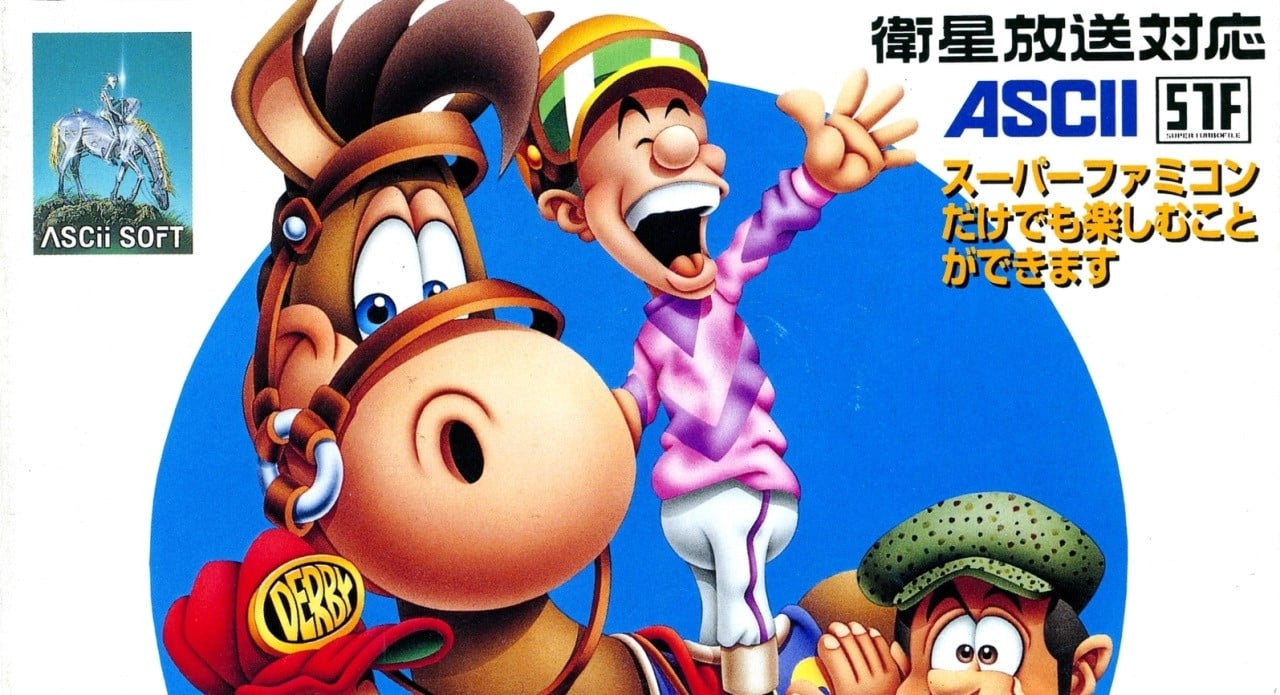
In a recent interview with Game*Spark, veteran game producer Tsuyoshi Kaneda—known for his work on ASCII’s Derby Stallion series—shared his admiration for Cygames’ hit mobile title, Umamusume: Pretty Derby, lauding the developer’s achievement in licensing real horse names from the onset.
Kaneda, who played a pivotal role in shaping the horse racing/business simulation genre with Derby Stallion on the Nintendo Famicom in 1991, underscored the complexities surrounding the use of actual racehorse names in video games.
Debuting decades before Umamusume: Pretty Derby made its mark on mobile platforms, Derby Stallion set the stage for horse racing simulators in Japan.
The franchise, which became a cornerstone for ASCII throughout the 1990s, consistently sought to include authentic stallion names.
However, as Kaneda explained, incorporating real equestrian names posed significant challenges.
“The team always wanted to feature the real names of the horses whenever possible,” he recounted.
Despite obtaining permission from organizations like the Japanese Racing Association (JRA), developers frequently encountered obstacles in securing approvals from horse owners and other rights holders, who sometimes hesitated to see their horses evaluated within a game context.
Reflecting on early efforts, Kaneda explained that the process was often lengthy and fraught with negotiation difficulties.
"Even after getting the green light from the JRA, we had to gain consent from individual horse owners, and it wasn't uncommon to discover third parties held trademark rights to the names," he recalled.
In certain situations, actual jockeys who played Derby Stallion offered support by vouching for the benefits to the racing industry, yet administrative and legal hurdles persisted for years.
It was not until Derby Stallion ’96, released for the Super Famicom’s Satellaview peripheral, that both real horse and jockey names began to appear in the series, marking a milestone for the franchise.
Against this backdrop, Kaneda noted his astonishment at Cygames' success with Umamusume: Pretty Derby, which launched in February 2021.
In his words, "I was truly impressed by Cygames' ability to secure real horse names right from the very beginning." Kaneda emphasized that bringing actual horses into the game was already a formidable task, let alone transforming them into anthropomorphic characters.
He expressed deep respect for the considerable negotiation and coordination required to accomplish this feat, noting that it set a new benchmark for licensing in the genre.
Umamusume: Pretty Derby’s innovative approach and commercial success underline the evolving relationship between the gaming sector and the broader horse racing industry.
As of its release, the game amassed millions of downloads and became a flagship title for Cygames, further highlighting the significance of its licensing achievements.
Kaneda's reflections shed light on the historical and procedural barriers that developers face in representing real-world elements in interactive entertainment—and the remarkable advancements made by today's studios.
Kaneda, who played a pivotal role in shaping the horse racing/business simulation genre with Derby Stallion on the Nintendo Famicom in 1991, underscored the complexities surrounding the use of actual racehorse names in video games.
Debuting decades before Umamusume: Pretty Derby made its mark on mobile platforms, Derby Stallion set the stage for horse racing simulators in Japan.
The franchise, which became a cornerstone for ASCII throughout the 1990s, consistently sought to include authentic stallion names.
However, as Kaneda explained, incorporating real equestrian names posed significant challenges.
“The team always wanted to feature the real names of the horses whenever possible,” he recounted.
Despite obtaining permission from organizations like the Japanese Racing Association (JRA), developers frequently encountered obstacles in securing approvals from horse owners and other rights holders, who sometimes hesitated to see their horses evaluated within a game context.
Reflecting on early efforts, Kaneda explained that the process was often lengthy and fraught with negotiation difficulties.
"Even after getting the green light from the JRA, we had to gain consent from individual horse owners, and it wasn't uncommon to discover third parties held trademark rights to the names," he recalled.
In certain situations, actual jockeys who played Derby Stallion offered support by vouching for the benefits to the racing industry, yet administrative and legal hurdles persisted for years.
It was not until Derby Stallion ’96, released for the Super Famicom’s Satellaview peripheral, that both real horse and jockey names began to appear in the series, marking a milestone for the franchise.
Against this backdrop, Kaneda noted his astonishment at Cygames' success with Umamusume: Pretty Derby, which launched in February 2021.
In his words, "I was truly impressed by Cygames' ability to secure real horse names right from the very beginning." Kaneda emphasized that bringing actual horses into the game was already a formidable task, let alone transforming them into anthropomorphic characters.
He expressed deep respect for the considerable negotiation and coordination required to accomplish this feat, noting that it set a new benchmark for licensing in the genre.
Umamusume: Pretty Derby’s innovative approach and commercial success underline the evolving relationship between the gaming sector and the broader horse racing industry.
As of its release, the game amassed millions of downloads and became a flagship title for Cygames, further highlighting the significance of its licensing achievements.
Kaneda's reflections shed light on the historical and procedural barriers that developers face in representing real-world elements in interactive entertainment—and the remarkable advancements made by today's studios.