Pokémon Shuffle Review: Nintendo’s Free-to-Play Puzzle Game Assessed on Nintendo 3DS
Since Nintendo began exploring the free-to-play model, results have varied—with some titles like Steel Diver: Sub Wars cultivating niche audiences, and others such as The Denpa Men: RPG Free! finding significant popularity, particularly in Japan.
Pokémon Shuffle, released on February 18, 2015 for the Nintendo 3DS via the Nintendo eShop, represents Nintendo’s high-profile foray into free-to-play gaming by leveraging the globally beloved Pokémon brand.
Pokémon Shuffle introduces a match-three puzzle experience echoing familiar mechanics from other Nintendo titles like Pokémon Link: Battle! (also known as Pokémon Trozei!).
However, where previous entries leaned towards fast-paced action, Pokémon Shuffle offers a slower and more strategic approach.
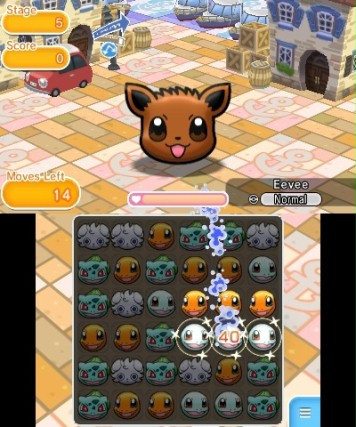
The core challenge tasks players with clearing wild Pokémon from the board before running out of allotted moves.
Before each stage, players can select from their roster of Pokémon—with smart team compositions granting vital advantages.
The game even offers an "Optimize" function for newcomers, automatically selecting the most effective allies based on the opposition's weaknesses.
The gameplay centers on aligning three or more matching Pokémon icons in horizontal or vertical combinations, clearing them from the puzzle area and inflicting damage on the target Pokémon.
Well-executed combos can yield impressive chains, quickly draining the opponents' HP as fresh icons cascade onto the board.
As players progress through nearly 300 stages, opposing Pokémon grow more resilient and can introduce obstacles—such as wooden, icy, or metallic blocks—to disrupt the player’s strategy.
These impediments can be cleared with tactful moves, but may also shift player focus away from optimal strategies needed for victory.
Occasionally, Pokémon Shuffle rewards players with Mega Stones after certain rounds, enabling compatible Pokémon in the team to Mega Evolve during battles.
Mega Evolutions provide significant boosts, such as clearing multiple icons from the board at once, contributing depth and variety to the core puzzle mechanics.
Staying true to the series’ traditions, stage completion not only levels up participating Pokémon, enhancing their power for future stages, but also allows for opportunities to catch defeated wild Pokémon—a process governed by performance-based chance.
Players may find satisfaction in boosting their team’s strength and pursuing Pokémon that previously evaded capture in prior attempts.
Special timed events have offered rare Pokémon such as Mew and Kyogre in the past, while local StreetPass functionality allows users to share gameplay records with fellow 3DS owners.
Despite its engaging design and accessible gameplay, Pokémon Shuffle’s reliance on microtransactions casts a shadow over the experience.
Players are limited by a "Heart" system, consuming one Heart per stage attempt—regardless of outcome.
Hearts replenish at a rate of one every 30 minutes (up to a maximum of five), capping free play to about 10 minutes every three hours.
For those eager for uninterrupted play, the in-game shop offers the option to purchase Jewels (from £0.89 for one Jewel up to £42.99 for 75), which can then be exchanged for additional Hearts or other in-game resources.
Additionally, Coins—earned or optionally bought—can be spent on temporary power-ups to increase the likelihood of success, especially in later and more challenging stages.
While these aids are not crucial in the game’s early progression, they become increasingly significant in advanced and Expert levels.
Ultimately, Pokémon Shuffle delivers an enjoyable and accessible puzzle experience anchored by Pokémon’s enduring appeal.
However, the microtransaction model introduces friction, particularly for dedicated players driven by the franchise’s "Gotta catch ’em all" ethos.
While not a groundbreaking reinvention of the genre, Pokémon Shuffle successfully brings the franchise to the match-three puzzle landscape on Nintendo 3DS, though fans may find the paywalls dampen the experience after the initial hours of play.
Pokémon Shuffle is available now and remains a noteworthy entry in Nintendo’s digital catalog, highlighting both the opportunities and ongoing challenges of integrating free-to-play mechanics in established intellectual properties.
Since Nintendo began exploring the free-to-play model, results have varied—with some titles like Steel Diver: Sub Wars cultivating niche audiences, and others such as The Denpa Men: RPG Free! finding significant popularity, particularly in Japan.
Pokémon Shuffle, released on February 18, 2015 for the Nintendo 3DS via the Nintendo eShop, represents Nintendo’s high-profile foray into free-to-play gaming by leveraging the globally beloved Pokémon brand.
Pokémon Shuffle introduces a match-three puzzle experience echoing familiar mechanics from other Nintendo titles like Pokémon Link: Battle! (also known as Pokémon Trozei!).
However, where previous entries leaned towards fast-paced action, Pokémon Shuffle offers a slower and more strategic approach.
The core challenge tasks players with clearing wild Pokémon from the board before running out of allotted moves.
Before each stage, players can select from their roster of Pokémon—with smart team compositions granting vital advantages.
The game even offers an "Optimize" function for newcomers, automatically selecting the most effective allies based on the opposition's weaknesses.
The gameplay centers on aligning three or more matching Pokémon icons in horizontal or vertical combinations, clearing them from the puzzle area and inflicting damage on the target Pokémon.
Well-executed combos can yield impressive chains, quickly draining the opponents' HP as fresh icons cascade onto the board.
As players progress through nearly 300 stages, opposing Pokémon grow more resilient and can introduce obstacles—such as wooden, icy, or metallic blocks—to disrupt the player’s strategy.
These impediments can be cleared with tactful moves, but may also shift player focus away from optimal strategies needed for victory.
Occasionally, Pokémon Shuffle rewards players with Mega Stones after certain rounds, enabling compatible Pokémon in the team to Mega Evolve during battles.
Mega Evolutions provide significant boosts, such as clearing multiple icons from the board at once, contributing depth and variety to the core puzzle mechanics.
Staying true to the series’ traditions, stage completion not only levels up participating Pokémon, enhancing their power for future stages, but also allows for opportunities to catch defeated wild Pokémon—a process governed by performance-based chance.
Players may find satisfaction in boosting their team’s strength and pursuing Pokémon that previously evaded capture in prior attempts.
Special timed events have offered rare Pokémon such as Mew and Kyogre in the past, while local StreetPass functionality allows users to share gameplay records with fellow 3DS owners.
Despite its engaging design and accessible gameplay, Pokémon Shuffle’s reliance on microtransactions casts a shadow over the experience.
Players are limited by a "Heart" system, consuming one Heart per stage attempt—regardless of outcome.
Hearts replenish at a rate of one every 30 minutes (up to a maximum of five), capping free play to about 10 minutes every three hours.
For those eager for uninterrupted play, the in-game shop offers the option to purchase Jewels (from £0.89 for one Jewel up to £42.99 for 75), which can then be exchanged for additional Hearts or other in-game resources.
Additionally, Coins—earned or optionally bought—can be spent on temporary power-ups to increase the likelihood of success, especially in later and more challenging stages.
While these aids are not crucial in the game’s early progression, they become increasingly significant in advanced and Expert levels.
Ultimately, Pokémon Shuffle delivers an enjoyable and accessible puzzle experience anchored by Pokémon’s enduring appeal.
However, the microtransaction model introduces friction, particularly for dedicated players driven by the franchise’s "Gotta catch ’em all" ethos.
While not a groundbreaking reinvention of the genre, Pokémon Shuffle successfully brings the franchise to the match-three puzzle landscape on Nintendo 3DS, though fans may find the paywalls dampen the experience after the initial hours of play.
Pokémon Shuffle is available now and remains a noteworthy entry in Nintendo’s digital catalog, highlighting both the opportunities and ongoing challenges of integrating free-to-play mechanics in established intellectual properties.