Pokemon Pokopia Review: Nintendo Switch 2’s Must-Play Life Simulator from Koei Tecmo
Following its high-profile reveal during the September 2025 Nintendo Direct, Pokemon Pokopia has quickly emerged as a standout release for the Nintendo Switch 2.
Developed by Koei Tecmo and published by Nintendo, Pokemon Pokopia officially launched on March 5, 2026, and immediately drew attention for its ambitious blend of genre-defining elements from Animal Crossing, Minecraft, and the beloved Pokemon series.
This highly anticipated life simulator marks a significant new chapter for both Nintendo’s hardware and the Pokemon franchise.
Pokopia’s unique premise places players in the role of a Ditto, awakened in a somber, post-human world.
With only memories of its trainer for company, this Ditto leads the charge to restore life by enticing a variety of Pokemon back into the world, constructing habitats, and building thriving, personalized towns.
The result is a game that conveys themes of loss and hope, all wrapped in a charming, innovative package.
According to statements by the development team, Pokemon Pokopia aims to blend the customization and creativity of Minecraft with the communal spirit and real-time progression of Animal Crossing.
The game opens with a melancholic tone, but as players rebuild their worlds, the soundtrack dynamically shifts to a more upbeat mood—mirroring the journey from desolation to rejuvenation.
Throughout, players discover story details via environmental storytelling and journal scraps, providing a richer narrative experience than many titles in the mainline Pokemon series.
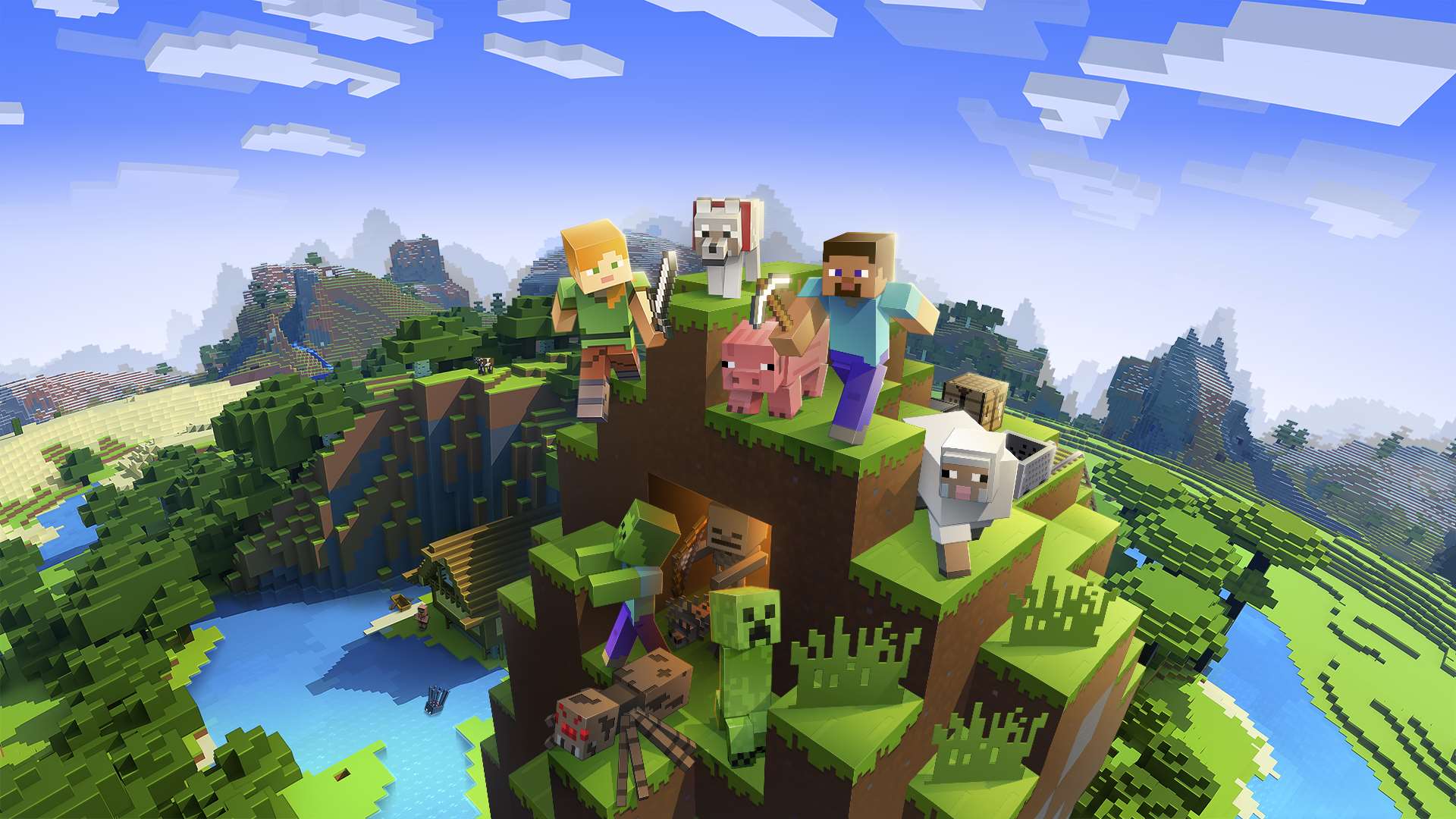
One of Pokemon Pokopia’s most striking features is its distinctive art style: blocky, square visuals reminiscent of Minecraft, granting players extensive creative freedom.
From elaborate houses to giant pixel art and underground bunkers, players are equipped with a robust suite of furniture and crafting options right from launch—significantly outpacing the initial content found in titles like Animal Crossing: New Horizons.
After 50 hours of play, Pokopia still offers engaging goals, with players juggling habitat creation and happiness for over 200 unique Pokemon, each with their own personalities, dialogues, and preferences.
Gameplay innovation doesn't stop at base building.
Pokopia introduces seamless multiplayer modes, eliminating previous frustrations associated with cumbersome connection cut-scenes in earlier Nintendo titles.
Friends can join and depart from towns in real time, buy items from unique inventories, and even collaborate on custom "Cloud Islands"—persistent, co-op areas that persist even when a host is offline.
This is a competitive edge over earlier entries in the life simulation genre and broadens the game’s replayability.
Not only has Koei Tecmo succeeded in delivering a highly polished experience, but they have also set a new benchmark for inclusivity and depth in the Pokemon world.
Pokopia’s narrative—centered on hope, rebuilding, and gentle discovery—resonates without the overt sentimentality sometimes seen in previous games.
Tutorials are offered organically, often via subtle in-game cues or through conversations with Professor Tangrowth, gently encouraging experimentation without overwhelming the player.
While the building interface occasionally feels a bit finicky and might benefit from further refinements, especially in mouse mode with Joy-Con 2, these are minor quibbles in an otherwise highly refined title.
With a robust offering at launch, thoughtful narrative integration, minimalist yet powerful multiplayer, and deep customization, Pokemon Pokopia stands as a must-own Nintendo Switch 2 exclusive—and a potential classic in its own right.
With its immediate popularity and critical acclaim since its March 2026 release, Pokemon Pokopia has not only cemented itself as the Nintendo Switch 2’s flagship life simulator but also as a legitimate successor to Animal Crossing’s long-held throne.
For fans of Pokemon, Animal Crossing, and Minecraft, this game is a no-brainer, highly recommended for both veteran and new players alike.
Pokemon Pokopia is now available exclusively on Nintendo Switch 2 across major retailers—including Amazon, Best Buy, and GameStop.
Following its high-profile reveal during the September 2025 Nintendo Direct, Pokemon Pokopia has quickly emerged as a standout release for the Nintendo Switch 2.
Developed by Koei Tecmo and published by Nintendo, Pokemon Pokopia officially launched on March 5, 2026, and immediately drew attention for its ambitious blend of genre-defining elements from Animal Crossing, Minecraft, and the beloved Pokemon series.
This highly anticipated life simulator marks a significant new chapter for both Nintendo’s hardware and the Pokemon franchise.
Pokopia’s unique premise places players in the role of a Ditto, awakened in a somber, post-human world.
With only memories of its trainer for company, this Ditto leads the charge to restore life by enticing a variety of Pokemon back into the world, constructing habitats, and building thriving, personalized towns.
The result is a game that conveys themes of loss and hope, all wrapped in a charming, innovative package.
According to statements by the development team, Pokemon Pokopia aims to blend the customization and creativity of Minecraft with the communal spirit and real-time progression of Animal Crossing.
The game opens with a melancholic tone, but as players rebuild their worlds, the soundtrack dynamically shifts to a more upbeat mood—mirroring the journey from desolation to rejuvenation.
Throughout, players discover story details via environmental storytelling and journal scraps, providing a richer narrative experience than many titles in the mainline Pokemon series.
One of Pokemon Pokopia’s most striking features is its distinctive art style: blocky, square visuals reminiscent of Minecraft, granting players extensive creative freedom.
From elaborate houses to giant pixel art and underground bunkers, players are equipped with a robust suite of furniture and crafting options right from launch—significantly outpacing the initial content found in titles like Animal Crossing: New Horizons.
After 50 hours of play, Pokopia still offers engaging goals, with players juggling habitat creation and happiness for over 200 unique Pokemon, each with their own personalities, dialogues, and preferences.
Gameplay innovation doesn't stop at base building.
Pokopia introduces seamless multiplayer modes, eliminating previous frustrations associated with cumbersome connection cut-scenes in earlier Nintendo titles.
Friends can join and depart from towns in real time, buy items from unique inventories, and even collaborate on custom "Cloud Islands"—persistent, co-op areas that persist even when a host is offline.
This is a competitive edge over earlier entries in the life simulation genre and broadens the game’s replayability.
Not only has Koei Tecmo succeeded in delivering a highly polished experience, but they have also set a new benchmark for inclusivity and depth in the Pokemon world.
Pokopia’s narrative—centered on hope, rebuilding, and gentle discovery—resonates without the overt sentimentality sometimes seen in previous games.
Tutorials are offered organically, often via subtle in-game cues or through conversations with Professor Tangrowth, gently encouraging experimentation without overwhelming the player.
While the building interface occasionally feels a bit finicky and might benefit from further refinements, especially in mouse mode with Joy-Con 2, these are minor quibbles in an otherwise highly refined title.
With a robust offering at launch, thoughtful narrative integration, minimalist yet powerful multiplayer, and deep customization, Pokemon Pokopia stands as a must-own Nintendo Switch 2 exclusive—and a potential classic in its own right.
With its immediate popularity and critical acclaim since its March 2026 release, Pokemon Pokopia has not only cemented itself as the Nintendo Switch 2’s flagship life simulator but also as a legitimate successor to Animal Crossing’s long-held throne.
For fans of Pokemon, Animal Crossing, and Minecraft, this game is a no-brainer, highly recommended for both veteran and new players alike.
Pokemon Pokopia is now available exclusively on Nintendo Switch 2 across major retailers—including Amazon, Best Buy, and GameStop.