When Animal Crossing: City Folk debuted on the Nintendo Wii in 2008, it quickly climbed the charts to become one of the platform’s best-selling games, moving an impressive 3.38 million copies worldwide.
While City Folk’s sales demonstrated strong franchise loyalty, players and critics alike noted that its gameplay felt too familiar compared to previous entries.
Taking this feedback to heart, Nintendo returned to the drawing board, culminating in the release of Animal Crossing: New Leaf for the Nintendo 3DS—a title that has become synonymous with innovation and content-rich gameplay in the Animal Crossing series.
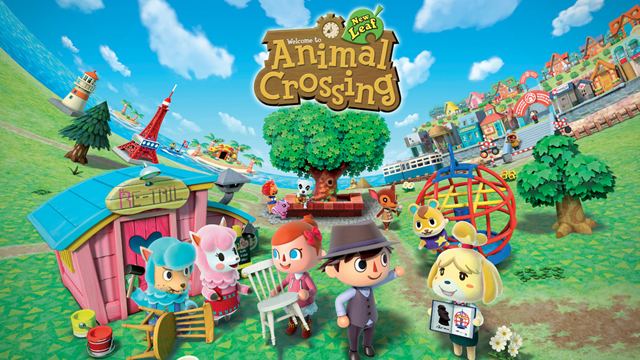
For those new to the franchise, Animal Crossing is a unique blend of life simulation and open-ended adventure, casting players as a new arrival in a charming, animal-populated town.
The gameplay encourages players to set personal goals, whether it’s fishing at the riverbank, hunting for rare insects, collecting and selling items, or cultivating friendships with fellow villagers.
This signature approach remains fully intact in Animal Crossing: New Leaf, untethered and more expansive than ever.
The most significant evolution in Animal Crossing: New Leaf is the player’s new role as mayor of their town.
Unlike previous titles, which limited players to passive participation, New Leaf places the power of public works projects and town ordinances directly into the player’s hands.
As mayor, players can initiate and fund the construction of new bridges, campsites, upgraded shops, and even extend the local museum—transforming the town in ways previously impossible.
This newfound level of customization allows each player’s village to reflect their unique vision, offering a deep sense of satisfaction and accomplishment with every completed project.
Ordinances further enhance the game’s depth, granting the ability to modify the town’s daily routine in ways that fit each player’s lifestyle.
For instance, players who prefer to play in the evenings can enact the "Night Owl Ordinance," keeping shops open longer.
Meanwhile, the "Beautiful Town Ordinance" encourages villagers to help with tending flowers, keeping the landscape vibrant.
These dynamic options let players shape both the aesthetic and functional rules of their community—a widely praised addition to the series.
Returning features such as furniture collecting, home expansion, and a significantly enlarged museum ensure the core gameplay loop remains as addictive as ever.
Notable visiting characters like Crazy Redd and Katrina make their return, bringing familiar opportunities and surprises.
Additionally, Tortimer Island—first introduced in the original game—returns, now boasting competitive mini-games for players and friends to enjoy, with medals that can be redeemed for rare items.
The newly introduced wet suit item further expands exploration, allowing players to swim and dive offshore to discover new sea creatures and hidden treasures.
Graphically, Animal Crossing: New Leaf is the most visually impressive entry in the franchise to date.
Retaining its signature colorful art style, the game enhances textures across landscapes, grass, and water for a more immersive experience.
The 3D capabilities of the Nintendo 3DS are especially striking when admiring museum exhibits, providing players with a sense of depth and realism never before seen in the series.
User-friendly controls make interaction seamless, as players can smoothly alternate between the control stick and touch screen for efficient menu navigation—an area where prior editions like the Nintendo DS entry lagged behind.
Nintendo’s efforts have paid off, with Animal Crossing: New Leaf not only addressing the concerns raised after City Folk but elevating the entire franchise.
The introduction of robust player customization and new gameplay features has reinvigorated the series for both longtime fans and newcomers.
With its deep content pool and approachable mechanics, Animal Crossing: New Leaf remains a touchstone for life simulation games on the Nintendo 3DS, offering an experience that is sure to enchant and engross for countless hours.
While City Folk’s sales demonstrated strong franchise loyalty, players and critics alike noted that its gameplay felt too familiar compared to previous entries.
Taking this feedback to heart, Nintendo returned to the drawing board, culminating in the release of Animal Crossing: New Leaf for the Nintendo 3DS—a title that has become synonymous with innovation and content-rich gameplay in the Animal Crossing series.
For those new to the franchise, Animal Crossing is a unique blend of life simulation and open-ended adventure, casting players as a new arrival in a charming, animal-populated town.
The gameplay encourages players to set personal goals, whether it’s fishing at the riverbank, hunting for rare insects, collecting and selling items, or cultivating friendships with fellow villagers.
This signature approach remains fully intact in Animal Crossing: New Leaf, untethered and more expansive than ever.
The most significant evolution in Animal Crossing: New Leaf is the player’s new role as mayor of their town.
Unlike previous titles, which limited players to passive participation, New Leaf places the power of public works projects and town ordinances directly into the player’s hands.
As mayor, players can initiate and fund the construction of new bridges, campsites, upgraded shops, and even extend the local museum—transforming the town in ways previously impossible.
This newfound level of customization allows each player’s village to reflect their unique vision, offering a deep sense of satisfaction and accomplishment with every completed project.
Ordinances further enhance the game’s depth, granting the ability to modify the town’s daily routine in ways that fit each player’s lifestyle.
For instance, players who prefer to play in the evenings can enact the "Night Owl Ordinance," keeping shops open longer.
Meanwhile, the "Beautiful Town Ordinance" encourages villagers to help with tending flowers, keeping the landscape vibrant.
These dynamic options let players shape both the aesthetic and functional rules of their community—a widely praised addition to the series.
Returning features such as furniture collecting, home expansion, and a significantly enlarged museum ensure the core gameplay loop remains as addictive as ever.
Notable visiting characters like Crazy Redd and Katrina make their return, bringing familiar opportunities and surprises.
Additionally, Tortimer Island—first introduced in the original game—returns, now boasting competitive mini-games for players and friends to enjoy, with medals that can be redeemed for rare items.
The newly introduced wet suit item further expands exploration, allowing players to swim and dive offshore to discover new sea creatures and hidden treasures.
Graphically, Animal Crossing: New Leaf is the most visually impressive entry in the franchise to date.
Retaining its signature colorful art style, the game enhances textures across landscapes, grass, and water for a more immersive experience.
The 3D capabilities of the Nintendo 3DS are especially striking when admiring museum exhibits, providing players with a sense of depth and realism never before seen in the series.
User-friendly controls make interaction seamless, as players can smoothly alternate between the control stick and touch screen for efficient menu navigation—an area where prior editions like the Nintendo DS entry lagged behind.
Nintendo’s efforts have paid off, with Animal Crossing: New Leaf not only addressing the concerns raised after City Folk but elevating the entire franchise.
The introduction of robust player customization and new gameplay features has reinvigorated the series for both longtime fans and newcomers.
With its deep content pool and approachable mechanics, Animal Crossing: New Leaf remains a touchstone for life simulation games on the Nintendo 3DS, offering an experience that is sure to enchant and engross for countless hours.