Nintendo's journey through the console market has seen both immense triumph and persistent challenges regarding hardware security.
Following the unprecedented success of the Nintendo Wii, which established itself as a household staple and sold over 100 million units worldwide, the company found itself grappling with declining third-party support.
A significant factor was the rise in software piracy facilitated by hardware exploits, leading developers to question the platform's long-term viability.
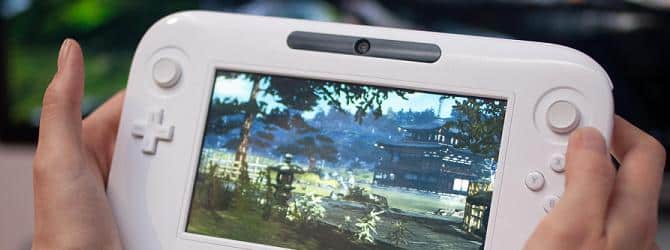
Now, the Wii U, the Wii’s successor, appears to be facing a similar test as hacker groups claim to have breached its defenses.
Recently, a group known as Wiikey, responsible for developing the first mod chip for the original Wii, announced that they have successfully hacked the Nintendo Wii U.
In an official statement posted via their Wiikey website, the team reported: "Our team has completely reversed the Wii U drive authentication, disk encryption, and file system protections.
This breakthrough enables us to introduce the next-generation K3y mod chip.
Further updates will be shared soon."
The mod chip, which they have branded as 'WiikeÜ', reportedly allows users to bypass hardware restrictions and run games directly without the need for physical Wii U discs.
Such an exploit could potentially open the door to widespread unauthorized game copying and distribution, echoing concerns from the previous console generation.
Historically, modifications like these have led to a significant increase in software piracy, directly impacting game sales and publisher confidence in the affected platform.
As of this writing, Nintendo has not issued an official response confirming the validity of these claims or providing additional context regarding potential security updates.
However, the possibility of compromised console security is likely to be a pressing concern for the company, as it was during the Wii era.
Robust software protection is central to maintaining healthy relationships with third-party developers and sustaining software sales through platforms like the Nintendo eShop.
Since its launch in 2012, the Nintendo Wii U struggled to match its predecessor in terms of both hardware sales and third-party engagement, selling just over 13 million units globally.
The emergence of the WiikeÜ mod chip could further challenge Nintendo’s efforts to preserve the integrity of its platform and encourage ongoing development for its existing library.
All eyes will be on the company’s next steps, particularly as it continues to support popular hardware such as the Nintendo Switch, whose security is continually scrutinized by the gaming community and industry observers alike.
Following the unprecedented success of the Nintendo Wii, which established itself as a household staple and sold over 100 million units worldwide, the company found itself grappling with declining third-party support.
A significant factor was the rise in software piracy facilitated by hardware exploits, leading developers to question the platform's long-term viability.
Now, the Wii U, the Wii’s successor, appears to be facing a similar test as hacker groups claim to have breached its defenses.
Recently, a group known as Wiikey, responsible for developing the first mod chip for the original Wii, announced that they have successfully hacked the Nintendo Wii U.
In an official statement posted via their Wiikey website, the team reported: "Our team has completely reversed the Wii U drive authentication, disk encryption, and file system protections.
This breakthrough enables us to introduce the next-generation K3y mod chip.
Further updates will be shared soon."
The mod chip, which they have branded as 'WiikeÜ', reportedly allows users to bypass hardware restrictions and run games directly without the need for physical Wii U discs.
Such an exploit could potentially open the door to widespread unauthorized game copying and distribution, echoing concerns from the previous console generation.
Historically, modifications like these have led to a significant increase in software piracy, directly impacting game sales and publisher confidence in the affected platform.
As of this writing, Nintendo has not issued an official response confirming the validity of these claims or providing additional context regarding potential security updates.
However, the possibility of compromised console security is likely to be a pressing concern for the company, as it was during the Wii era.
Robust software protection is central to maintaining healthy relationships with third-party developers and sustaining software sales through platforms like the Nintendo eShop.
Since its launch in 2012, the Nintendo Wii U struggled to match its predecessor in terms of both hardware sales and third-party engagement, selling just over 13 million units globally.
The emergence of the WiikeÜ mod chip could further challenge Nintendo’s efforts to preserve the integrity of its platform and encourage ongoing development for its existing library.
All eyes will be on the company’s next steps, particularly as it continues to support popular hardware such as the Nintendo Switch, whose security is continually scrutinized by the gaming community and industry observers alike.