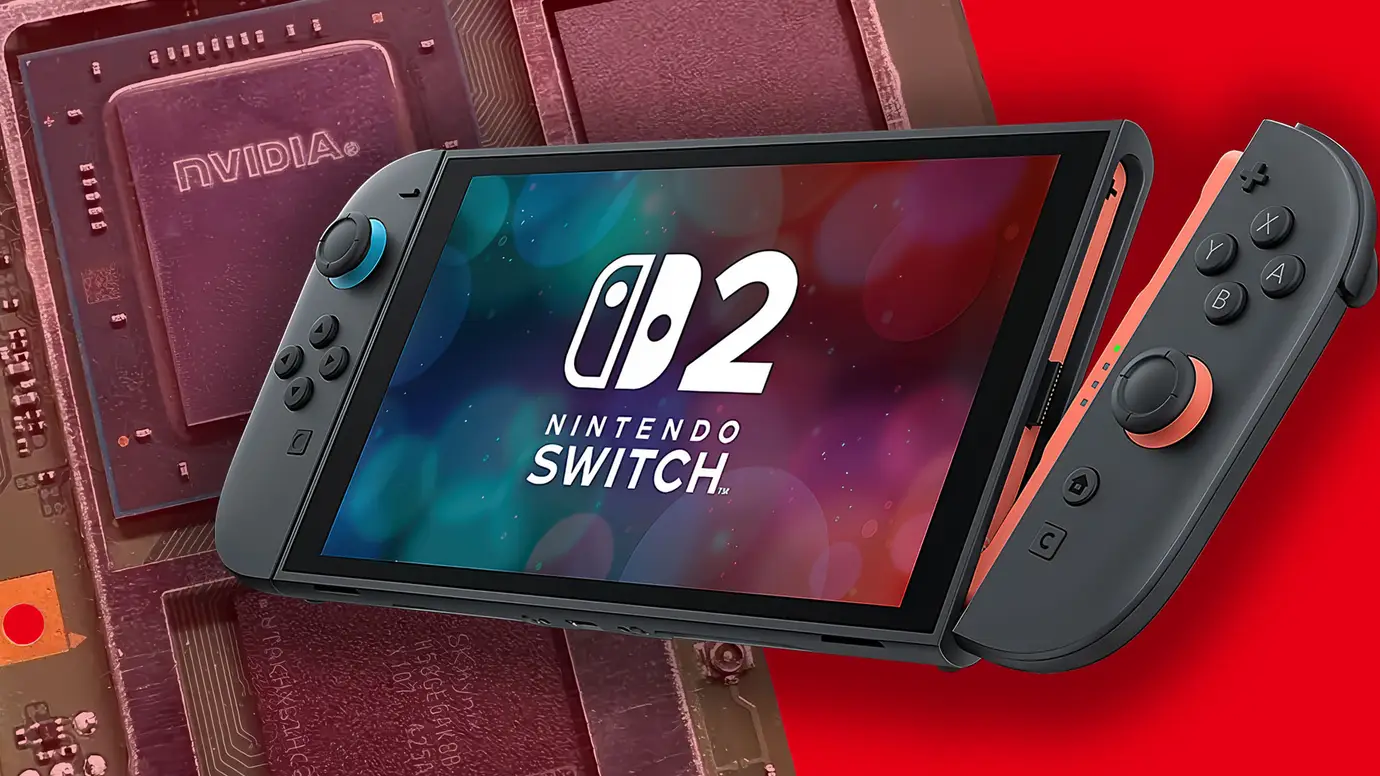
Nintendo’s hybrid console architecture has long depended on custom silicon, and Nvidia has been the most prominent partner behind that strategy.
The Nintendo Switch, released on March 3, 2017, runs on a custom Nvidia Tegra system-on-chip (SoC) — a collaboration that shaped the console’s handheld power and docked performance.
For developers, publishers and hardware watchers, custom processors are a critical part of how Nintendo designs consoles and how studios target performance and portability.
Nvidia supplies bespoke SoC work tailored to partner requirements.
Put plainly: Nvidia builds custom processors for Nintendo hardware, integrating GPU and CPU features that match Nintendo’s thermal, power and cost targets.
That arrangement has influenced how first- and third-party developers optimize games for the Switch’s unique performance envelope, and it has shaped the console’s long lifecycle on the market.
Industry context and verified facts
- Nintendo Switch release date: March 3, 2017.
The console established Nintendo’s current hybrid model and remains one of the company’s most successful platforms.
- Custom silicon: The original Switch uses a Tegra-based custom SoC designed by Nvidia for the device’s low-power, portable-first goals.
Nvidia has a history of creating Tegra chips for mobile and embedded platforms, which made it a natural partner for Nintendo’s design objectives.
- Corporate roles: Jensen Huang is the long-serving founder and CEO of Nvidia; Colette Kress is Nvidia’s chief financial officer.
Both executives are publicly listed members of Nvidia’s leadership team.
What custom processors mean for developers and Nintendo
Custom SoCs deliver several concrete advantages: power-efficient performance tuned to the console form factor, close hardware-software iteration between the chip vendor and the platform holder, and potential feature parity across a console’s life through firmware and driver support.
For developers, this means working with a defined hardware target that can be optimized through patches and engine-level tuning — an important consideration for launch windows, eShop releases and long-tail post-launch updates showcased during Nintendo Direct presentations.
Custom silicon also imposes constraints: developers must optimize for a specific architecture and toolchain, and backwards compatibility efforts require careful coordination between console maker and silicon partner.
That coordination affects how Nintendo approaches system software, emulation and support for legacy titles on new hardware revisions.
Looking ahead
While Nintendo has continued to iterate on its hardware and partner with silicon vendors, the established precedent of a custom Nvidia-backed Tegra SoC for the original Switch illustrates the technical and commercial trade-offs of bespoke console silicon.
For studios and publishers, the takeaway is clear: tight hardware partnerships yield high optimization potential but demand sustained collaboration across engineering, QA and platform teams to maximize performance and backwards compatibility on Nintendo platforms.