Nintendo has once again underscored its strategic preference for organic growth, rather than pursuing aggressive mergers and acquisitions, as highlighted in its recent Corporate Management Policy Briefing for Fiscal Year 2025.
In the gaming industry, where major publishers frequently absorb smaller studios, Nintendo stands out for its conservative approach, prioritizing the nurturing of its internal creative culture over rapid expansion through consolidation.
During the official FY2025 management briefing, Nintendo stated that while it remains open to the possibility of future mergers and acquisitions, such deals are not a core part of its current growth strategy.
The company emphasized that organic expansion allows new team members to fully assimilate into the unique creative environment that distinguishes Nintendo from its competitors.
This philosophy, according to Nintendo, supports ongoing innovation within its studio teams and preserves the spirit that has fueled decades of best-selling franchises on platforms like the Nintendo Switch.
A Nintendo representative explained, “Although we do not rule out further mergers and acquisitions, our priority is to organically grow our organization so that new members can deeply understand our creative culture.” This restatement aligns with the company’s measured acquisition history over the last several years.
Since 2021, Nintendo has made only a handful of purchases, contrasting with the broader industry trend of frequent studio buyouts.
Notable recent acquisitions include the addition of Shiver Entertainment in May 2024.
Prior to that, Nintendo acquired the production company Dynamo Pictures in 2022, which was subsequently rebranded as Nintendo Pictures, as well as programming partner SRD.
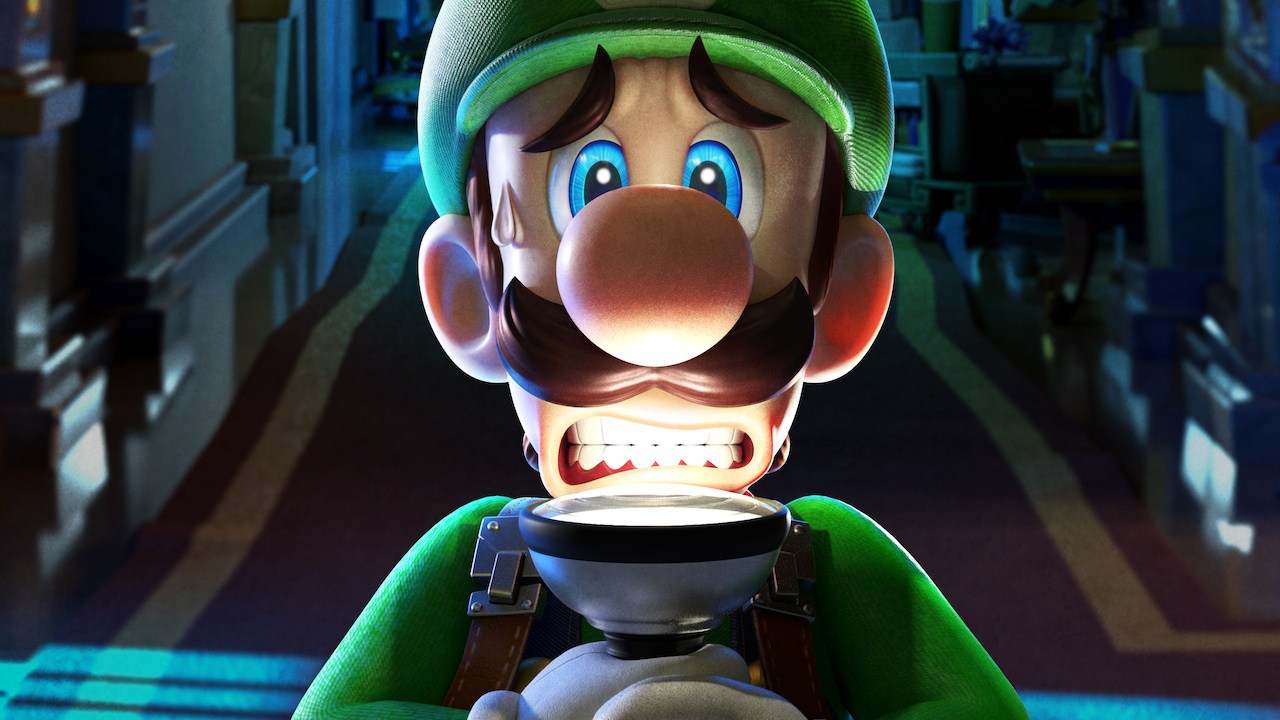
The 2021 acquisition of Next Level Games, known for its work on Luigi’s Mansion 3 for the Nintendo Switch, marked another key milestone in Nintendo’s selective approach to mergers.
Alongside its stance on organizational growth, Nintendo also provided clarity regarding the highly anticipated successor to its flagship console.
In the same briefing, the company officially confirmed that the forthcoming hardware, often referred to as 'Switch 2', will be backwards compatible—assuaging concerns for its substantial fanbase and further solidifying Nintendo’s commitment to player investment in the eShop and existing game libraries.
While Nintendo’s approach may differ from peers like Microsoft or Sony, which have actively acquired studios to bolster exclusive content on their own platforms, history shows that Nintendo’s focus on internal development and carefully selected partnerships has been instrumental in producing critically acclaimed titles and achieving industry-defining sales milestones.
With a legacy built on innovation and consistency, Nintendo’s reaffirmed strategy signals continued confidence in its development teams, ensuring that the company’s renowned creative culture remains central as it enters the next chapter—both for game development and upcoming hardware platforms.
In the gaming industry, where major publishers frequently absorb smaller studios, Nintendo stands out for its conservative approach, prioritizing the nurturing of its internal creative culture over rapid expansion through consolidation.
During the official FY2025 management briefing, Nintendo stated that while it remains open to the possibility of future mergers and acquisitions, such deals are not a core part of its current growth strategy.
The company emphasized that organic expansion allows new team members to fully assimilate into the unique creative environment that distinguishes Nintendo from its competitors.
This philosophy, according to Nintendo, supports ongoing innovation within its studio teams and preserves the spirit that has fueled decades of best-selling franchises on platforms like the Nintendo Switch.
A Nintendo representative explained, “Although we do not rule out further mergers and acquisitions, our priority is to organically grow our organization so that new members can deeply understand our creative culture.” This restatement aligns with the company’s measured acquisition history over the last several years.
Since 2021, Nintendo has made only a handful of purchases, contrasting with the broader industry trend of frequent studio buyouts.
Notable recent acquisitions include the addition of Shiver Entertainment in May 2024.
Prior to that, Nintendo acquired the production company Dynamo Pictures in 2022, which was subsequently rebranded as Nintendo Pictures, as well as programming partner SRD.
The 2021 acquisition of Next Level Games, known for its work on Luigi’s Mansion 3 for the Nintendo Switch, marked another key milestone in Nintendo’s selective approach to mergers.
Alongside its stance on organizational growth, Nintendo also provided clarity regarding the highly anticipated successor to its flagship console.
In the same briefing, the company officially confirmed that the forthcoming hardware, often referred to as 'Switch 2', will be backwards compatible—assuaging concerns for its substantial fanbase and further solidifying Nintendo’s commitment to player investment in the eShop and existing game libraries.
While Nintendo’s approach may differ from peers like Microsoft or Sony, which have actively acquired studios to bolster exclusive content on their own platforms, history shows that Nintendo’s focus on internal development and carefully selected partnerships has been instrumental in producing critically acclaimed titles and achieving industry-defining sales milestones.
With a legacy built on innovation and consistency, Nintendo’s reaffirmed strategy signals continued confidence in its development teams, ensuring that the company’s renowned creative culture remains central as it enters the next chapter—both for game development and upcoming hardware platforms.