
Nintendo, one of the gaming industry's most storied developers, is once again at the center of news surrounding high-profile leaks.
Recent reports from influential sources, including leaker Nate the Hate and industry outlet VGC, have brought to light alleged plans for the company’s release calendar in late 2026 through 2027.
The anticipation this has generated within the Nintendo community is matched only by the company’s reputed frustration with such premature disclosures.
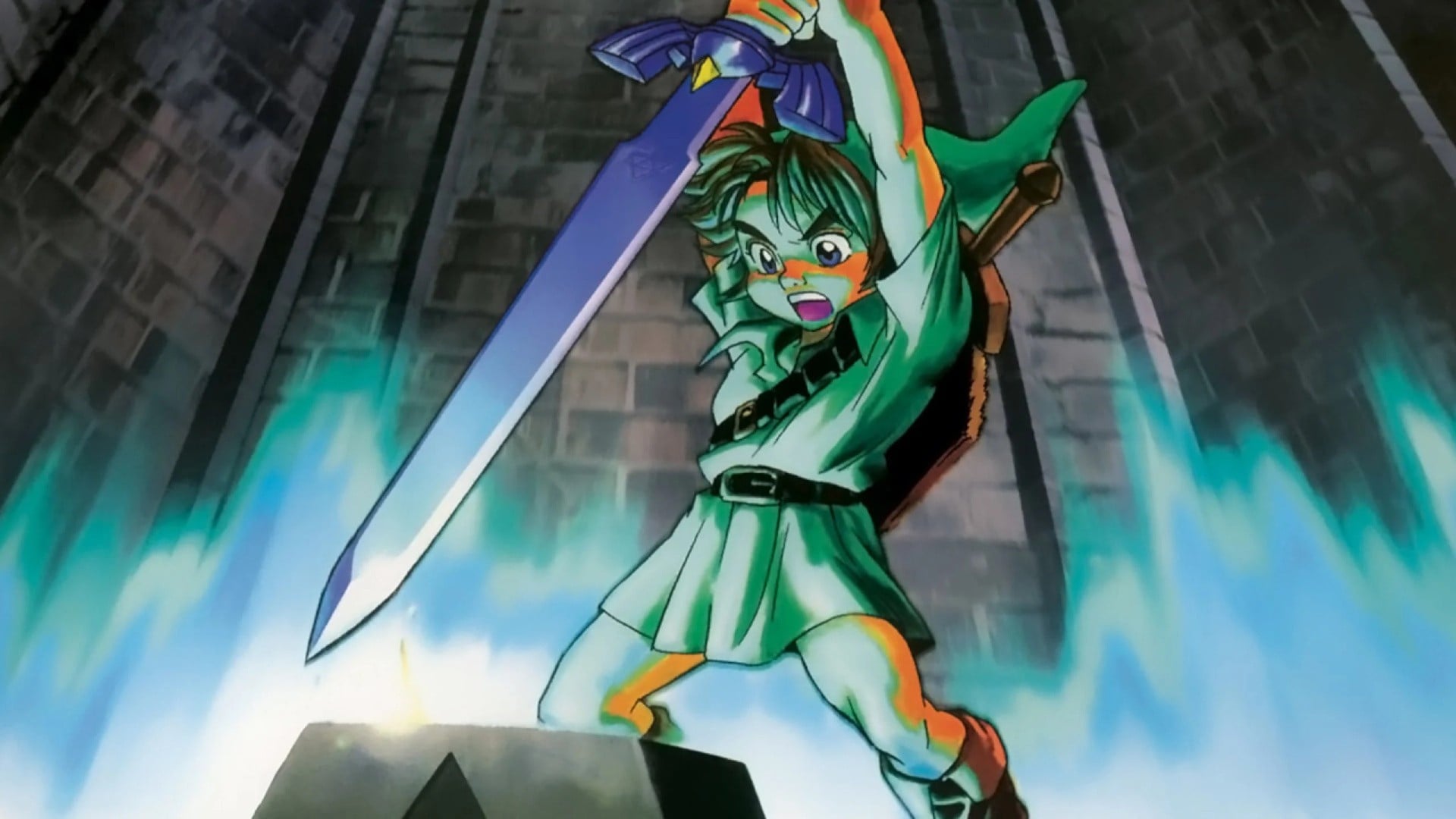
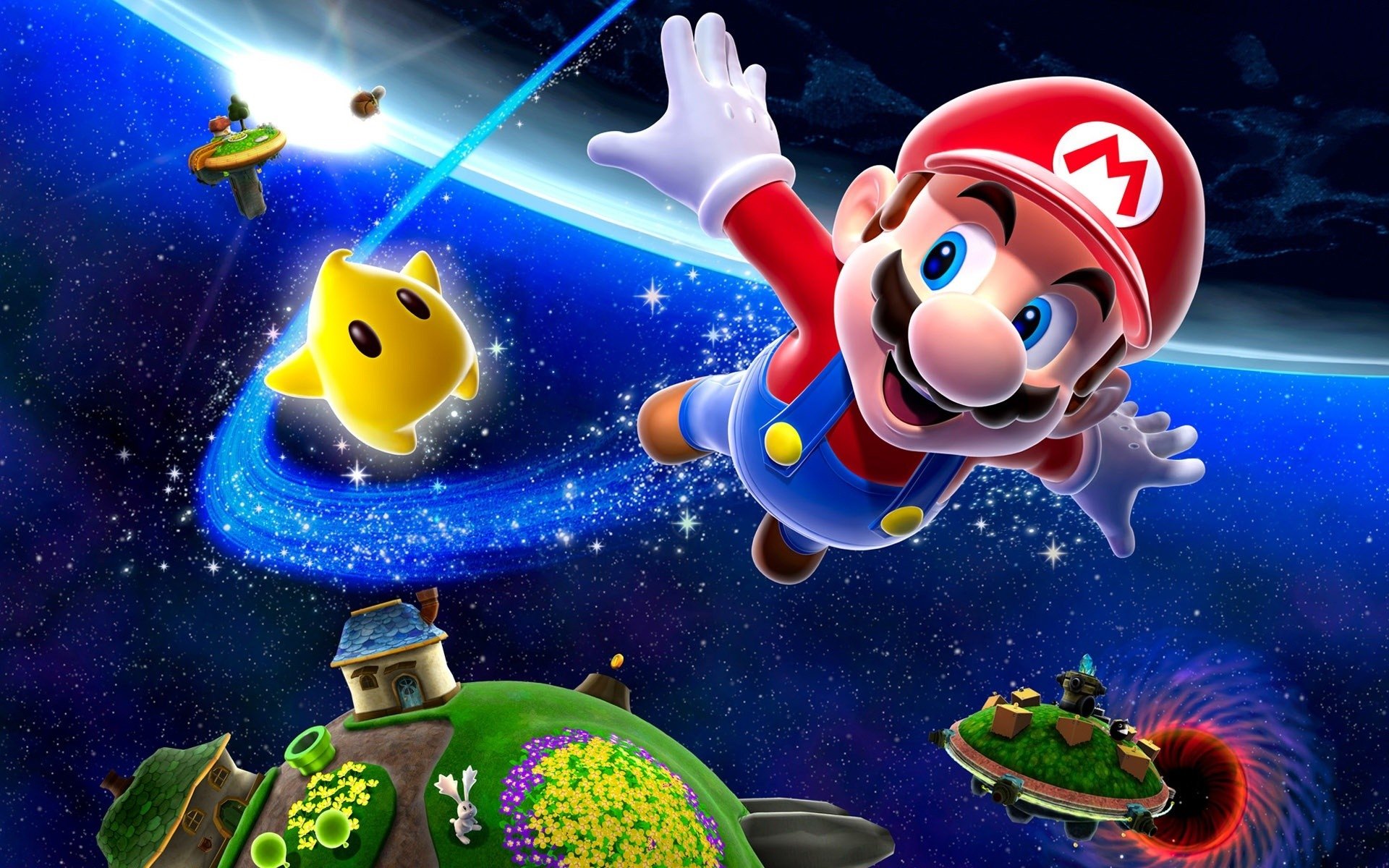
The new wave of rumors includes claims of a brand-new Star Fox title scheduled for a summer launch, a remake of the iconic The Legend of Zelda: Ocarina of Time set for release by the end of 2026, and the arrival of a fresh 3D Mario installment sometime in 2027.
Though these purported projects have yet to be officially confirmed by Nintendo, their mere mention has fueled extensive conversation across gaming media and among investors closely following the company's next-generation plans, especially as the Nintendo Switch nears the twilight of its lifecycle.
Former Nintendo of America senior manager Kit Ellis, co-host of the ‘Kit and Krysta’ podcast, provided insight into the situation during a recent YouTube Short.
While not directly confirming the validity of the leaked information, Ellis articulated that Nintendo would be "extremely upset" should such details prove accurate.
According to Ellis, information leaks present a substantial challenge for Nintendo, whose marketing heavily relies on surprise and carefully timed announcements—such as those presented during Nintendo Direct broadcasts and through the Nintendo eShop.
Ellis noted the potential impact of leaks on the company beyond just consumer surprise, explaining that leaks could influence Nintendo's stock valuation.
As Ellis put it, transparency prompted by unauthorized disclosures allows investors to weigh Nintendo’s roadmap and adjust their positions accordingly.
"For a company like Nintendo, whose marketing thrives on the element of surprise, this is a serious issue.
It has the potential to affect stock prices, as investors may react to early revelations of upcoming releases," Ellis explained.
The challenge of preventing leaks is not new for Nintendo, but this latest incident highlights the company's ongoing struggle to keep future projects confidential in an age of rapid digital communication.
While fans remain eager for new adventures with franchises like Star Fox and The Legend of Zelda, Nintendo continues to closely guard its future strategy, mindful of the business implications of early information exposure.
As the gaming world awaits more official news, possibly through forthcoming Nintendo Direct presentations, the expectation for what’s next—from a new Star Fox to a remade Ocarina of Time and a new 3D Mario—remains high.
Until official announcements are made, players and industry observers alike are watching Nintendo’s next moves with keen interest.
Recent reports from influential sources, including leaker Nate the Hate and industry outlet VGC, have brought to light alleged plans for the company’s release calendar in late 2026 through 2027.
The anticipation this has generated within the Nintendo community is matched only by the company’s reputed frustration with such premature disclosures.
The new wave of rumors includes claims of a brand-new Star Fox title scheduled for a summer launch, a remake of the iconic The Legend of Zelda: Ocarina of Time set for release by the end of 2026, and the arrival of a fresh 3D Mario installment sometime in 2027.
Though these purported projects have yet to be officially confirmed by Nintendo, their mere mention has fueled extensive conversation across gaming media and among investors closely following the company's next-generation plans, especially as the Nintendo Switch nears the twilight of its lifecycle.
Former Nintendo of America senior manager Kit Ellis, co-host of the ‘Kit and Krysta’ podcast, provided insight into the situation during a recent YouTube Short.
While not directly confirming the validity of the leaked information, Ellis articulated that Nintendo would be "extremely upset" should such details prove accurate.
According to Ellis, information leaks present a substantial challenge for Nintendo, whose marketing heavily relies on surprise and carefully timed announcements—such as those presented during Nintendo Direct broadcasts and through the Nintendo eShop.
Ellis noted the potential impact of leaks on the company beyond just consumer surprise, explaining that leaks could influence Nintendo's stock valuation.
As Ellis put it, transparency prompted by unauthorized disclosures allows investors to weigh Nintendo’s roadmap and adjust their positions accordingly.
"For a company like Nintendo, whose marketing thrives on the element of surprise, this is a serious issue.
It has the potential to affect stock prices, as investors may react to early revelations of upcoming releases," Ellis explained.
The challenge of preventing leaks is not new for Nintendo, but this latest incident highlights the company's ongoing struggle to keep future projects confidential in an age of rapid digital communication.
While fans remain eager for new adventures with franchises like Star Fox and The Legend of Zelda, Nintendo continues to closely guard its future strategy, mindful of the business implications of early information exposure.
As the gaming world awaits more official news, possibly through forthcoming Nintendo Direct presentations, the expectation for what’s next—from a new Star Fox to a remade Ocarina of Time and a new 3D Mario—remains high.
Until official announcements are made, players and industry observers alike are watching Nintendo’s next moves with keen interest.