Takashi Tezuka, a veteran game director responsible for some of Nintendo’s most enduring 16-bit-era classics, has announced his retirement from his role as an executive officer at Nintendo effective June 26, 2026.
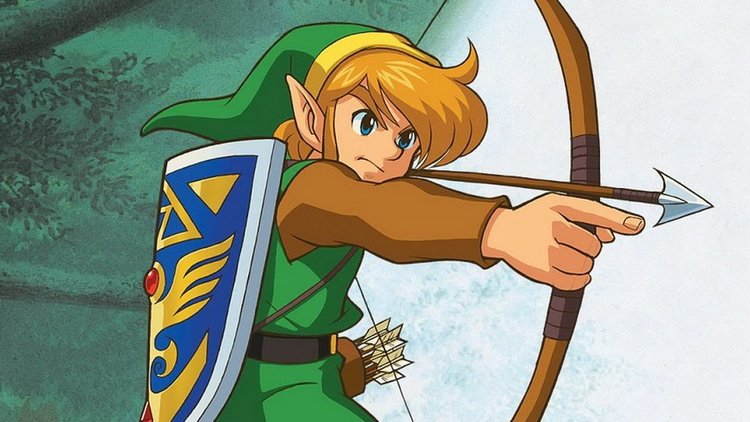
Tezuka’s career includes directorial credits on landmark titles such as The Legend of Zelda: A Link to the Past (original release 1991), Super Mario World (1990/1991), and Super Mario World 2: Yoshi’s Island (1995/1996).
Many of those games have since been re-released on modern platforms, including the SNES library available to Nintendo Switch Online subscribers and other digital storefronts like the Nintendo eShop.
Tezuka’s departure marks the end of an era for a developer who played a central creative role during Nintendo’s formative console generations.
In announcing the change, the statement closed by extending best wishes for his retirement, acknowledging his long service to the company and its franchises.
Earlier in 2026, Nintendo also saw the departures of other long-serving executives: Hideki Konno, known for his work on the Mario Kart series and contributions to Yoshi’s Island, and Kensuke Tanabe, who has credits on Super Mario Bros. 2 and Super Mario Bros. 3 as well as production work on the Metroid Prime series, both retired from the company earlier this year.
These exits represent notable shifts within Nintendo’s senior creative and executive ranks.
Throughout his career, Tezuka’s work influenced the design and legacy of Nintendo’s IP across multiple hardware generations.
Titles he directed have remained part of Nintendo’s active catalogue through re-releases and compilation services on platforms such as the Nintendo Switch, where Nintendo frequently highlights classic and legacy content during events like Nintendo Direct presentations and through digital distribution on the eShop.
Nintendo has not announced a successor for Tezuka’s executive position at the time of this statement.
For fans and industry observers, Tezuka’s retirement closes a chapter on the team that shaped many of Nintendo’s flagship 2D experiences, while the company continues to steward those franchises on contemporary platforms.
Tezuka’s career includes directorial credits on landmark titles such as The Legend of Zelda: A Link to the Past (original release 1991), Super Mario World (1990/1991), and Super Mario World 2: Yoshi’s Island (1995/1996).
Many of those games have since been re-released on modern platforms, including the SNES library available to Nintendo Switch Online subscribers and other digital storefronts like the Nintendo eShop.
Tezuka’s departure marks the end of an era for a developer who played a central creative role during Nintendo’s formative console generations.
In announcing the change, the statement closed by extending best wishes for his retirement, acknowledging his long service to the company and its franchises.
Earlier in 2026, Nintendo also saw the departures of other long-serving executives: Hideki Konno, known for his work on the Mario Kart series and contributions to Yoshi’s Island, and Kensuke Tanabe, who has credits on Super Mario Bros. 2 and Super Mario Bros. 3 as well as production work on the Metroid Prime series, both retired from the company earlier this year.
These exits represent notable shifts within Nintendo’s senior creative and executive ranks.
Throughout his career, Tezuka’s work influenced the design and legacy of Nintendo’s IP across multiple hardware generations.
Titles he directed have remained part of Nintendo’s active catalogue through re-releases and compilation services on platforms such as the Nintendo Switch, where Nintendo frequently highlights classic and legacy content during events like Nintendo Direct presentations and through digital distribution on the eShop.
Nintendo has not announced a successor for Tezuka’s executive position at the time of this statement.
For fans and industry observers, Tezuka’s retirement closes a chapter on the team that shaped many of Nintendo’s flagship 2D experiences, while the company continues to steward those franchises on contemporary platforms.