

Nintendo confirmed in its latest fiscal-year earnings report that more than 23.68 million Nintendo Switch 2 consoles have been sold worldwide.
The company also stated that cumulative Nintendo Switch 2 game sales have surpassed 58.17 million copies, underscoring the early commercial impact of its successor console.
Top-selling software for the Switch 2 remains led by Mario Kart World, which has sold 15.39 million copies.
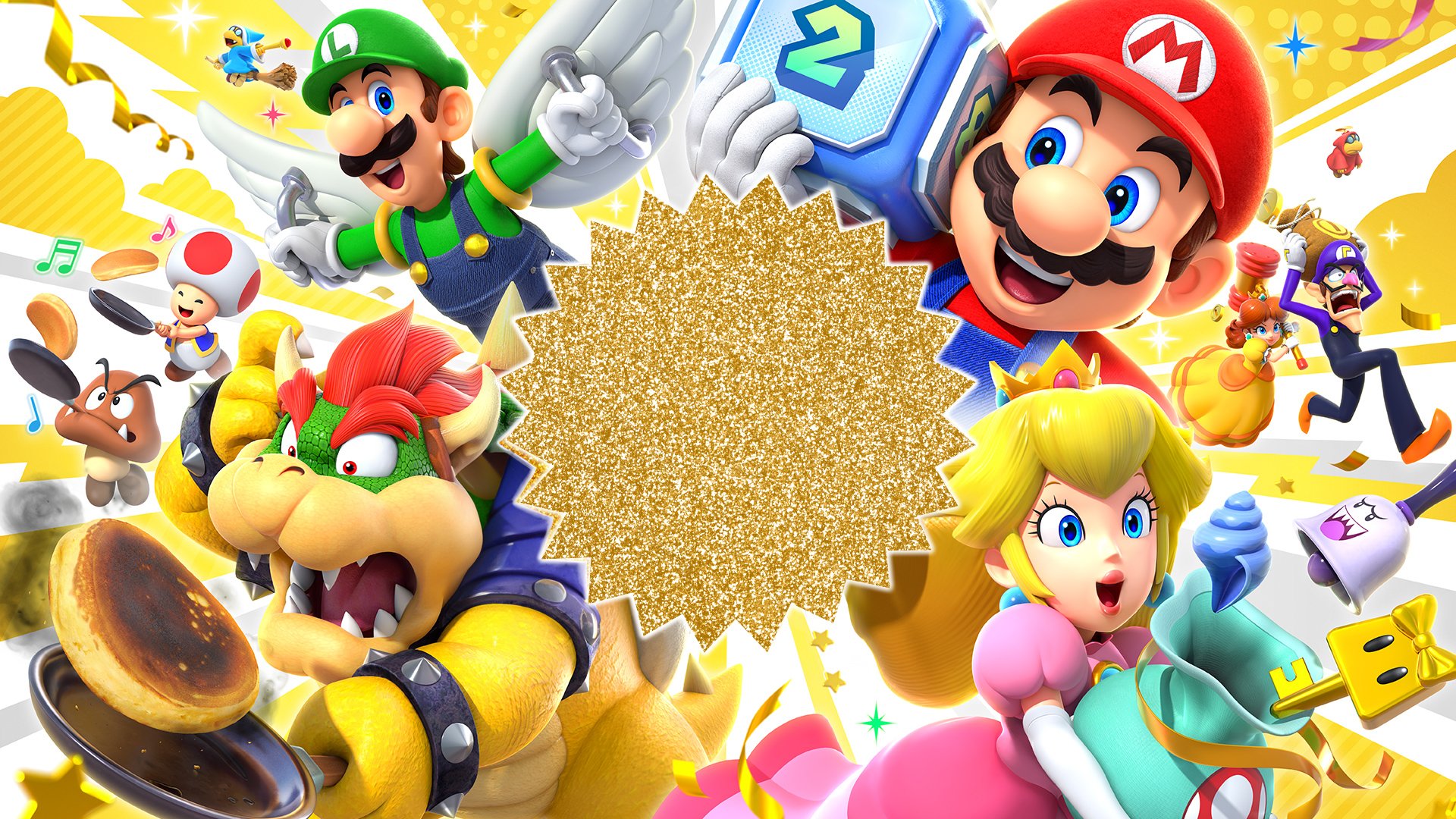
Other notable lifetime sales figures reported by Nintendo include Donkey Kong Bananza at more than 4.78 million copies, Pokémon Legends: Z-A Nintendo Switch 2 Edition at 3.99 million copies, Pokémon Pokopia at 3.68 million copies, Kirby Air Riders at 1.90 million copies and Super Mario Party Jamboree Nintendo Switch 2 Edition at 1.15 million copies.
In the earnings release, Nintendo provided a breakdown of recent quarterly performance.
The company said that Switch 2 hardware sales declined 34.4% year-on-year to 3.82 million units, while original Nintendo Switch hardware sales fell 31.8% year-on-year to 0.66 million units.
Nintendo characterized this decline as a comparison to the exceptionally strong launch quarter for Switch 2 last fiscal year, noting that consumer adoption nevertheless continued through the quarter driven by new titles and other supporting factors.
Nintendo also reported software performance for the period: Switch 2 software sales rose 9.2% year-on-year to 9.46 million units, and Nintendo Switch software grew 8.6% year-on-year to 33.81 million units.
The company highlighted the commercial strength of several releases, citing Tomodachi Life: Living the Dream with 7.94 million units and Pokémon Pokopia with 1.27 million units as contributors to the quarter’s software totals.
These figures arrive as Nintendo continues to leverage first-party releases and third-party support across its digital storefronts.
Channels such as Nintendo Direct announcements and the Nintendo eShop remain central to Nintendo’s go-to-market strategy for Switch 2 and legacy Switch software.
Industry watchers and developers will be watching upcoming release schedules and Nintendo’s reporting cadence for further sales trends.
About the reporting: this summary is based on Nintendo’s public fiscal-year earnings disclosures and accompanying sales data as provided by the company.
Author: Alex Seedhouse.
The company also stated that cumulative Nintendo Switch 2 game sales have surpassed 58.17 million copies, underscoring the early commercial impact of its successor console.
Top-selling software for the Switch 2 remains led by Mario Kart World, which has sold 15.39 million copies.
Other notable lifetime sales figures reported by Nintendo include Donkey Kong Bananza at more than 4.78 million copies, Pokémon Legends: Z-A Nintendo Switch 2 Edition at 3.99 million copies, Pokémon Pokopia at 3.68 million copies, Kirby Air Riders at 1.90 million copies and Super Mario Party Jamboree Nintendo Switch 2 Edition at 1.15 million copies.
In the earnings release, Nintendo provided a breakdown of recent quarterly performance.
The company said that Switch 2 hardware sales declined 34.4% year-on-year to 3.82 million units, while original Nintendo Switch hardware sales fell 31.8% year-on-year to 0.66 million units.
Nintendo characterized this decline as a comparison to the exceptionally strong launch quarter for Switch 2 last fiscal year, noting that consumer adoption nevertheless continued through the quarter driven by new titles and other supporting factors.
Nintendo also reported software performance for the period: Switch 2 software sales rose 9.2% year-on-year to 9.46 million units, and Nintendo Switch software grew 8.6% year-on-year to 33.81 million units.
The company highlighted the commercial strength of several releases, citing Tomodachi Life: Living the Dream with 7.94 million units and Pokémon Pokopia with 1.27 million units as contributors to the quarter’s software totals.
These figures arrive as Nintendo continues to leverage first-party releases and third-party support across its digital storefronts.
Channels such as Nintendo Direct announcements and the Nintendo eShop remain central to Nintendo’s go-to-market strategy for Switch 2 and legacy Switch software.
Industry watchers and developers will be watching upcoming release schedules and Nintendo’s reporting cadence for further sales trends.
About the reporting: this summary is based on Nintendo’s public fiscal-year earnings disclosures and accompanying sales data as provided by the company.
Author: Alex Seedhouse.