

Nintendo Switch 2 Pre-orders Delayed in US as Tariffs Threaten Significant Price Hikes
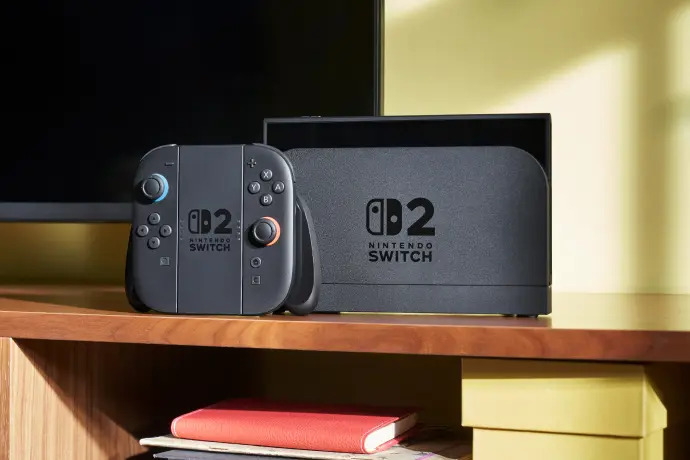
Nintendo of America has officially notified US retailers that pre-orders for the anticipated Nintendo Switch 2 console, alongside its physical games and accessories, are on hold.
This delay comes as the company assesses the impact of the recently announced Liberation Day tariffs, rolled out on April 2, which could force substantial changes to pricing strategies across all imported products—including consumer electronics like the Switch 2.
The new tariffs, set at a baseline rate of 10% for all countries, will escalate for some regions as high as 54% on April 9, putting pressure on manufacturers and retailers alike.
Notably, these tariffs must be paid by the importing party, inevitably impacting retail prices.
Nintendo’s Announced Strategy Amid Tariff Uncertainty
Export data reveals that the US-bound Nintendo Switch 2 systems, currently being produced in Vietnam, are valued at approximately USD 338 per unit for customs purposes.
Industry analyst Daniel Gibson of MST notes that, in the absence of the new tariffs, Nintendo likely would have targeted a USD 399.99 retail price—keeping with historical pricing for past Nintendo consoles such as the original Nintendo Switch, which debuted in 2017 and remains at a suggested retail price of USD 299.99.
Historically, Nintendo has managed to sustain a small profit on hardware sales, a rarity in the console business.
However, following the April 2 Nintendo Direct, US retailer listings revealed that the Nintendo Switch 2’s standalone launch price jumped to USD 449.99, a full USD 50 above expectations.
This increase, as now confirmed by export and tariff data, includes a built-in 15% buffer in anticipation of tariff costs—highlighting Nintendo’s proactive approach to mitigate unforeseen international trade fluctuations.
This pricing parity is also mirrored in other key markets (excluding Japan, where a lower price reflects local currency weakness) to deter parallel imports and unauthorized reselling, a strategy common among global electronics giants such as Apple.
Regional Manufacturing and the Price Impact of Liberation Day Tariffs
The new tariffs vary depending on production source:
- Japan (Game Cards): 24%
- China (Consoles and Accessories): 54% (20% universal tariffs + 34% Liberation Day)
- Vietnam (Consoles and Accessories): 46%
- Cambodia (Consoles and Accessories): 49%
- Malaysia (Consoles and Accessories): 24%
Currently, US-bound Switch 2 units are manufactured in Vietnam, with accessories sourced from China, Vietnam, and Cambodia.
Game cards, which host physical game software, are produced in Japan before final assembly in North America.
Alternative production sites in Malaysia and Cambodia were briefly used during the COVID-19 emergency for original Switch systems but do not presently support Switch 2 console manufacturing.
Should Nintendo be forced to absorb the new tariffs without shifting production or negotiating exemptions, the US retail price of the Switch 2 could escalate dramatically—up to USD 569.99 if sourced from Vietnam, and as high as USD 599.99 from China according to recent supply chain estimates.
Transitioning large-scale production to Malaysia could potentially reduce the impact, limiting the SRP increase to a comparatively lower USD 489.99.
However, shifting manufacturing at this scale requires significant lead time and operational risk, potentially creating short-term shortages.
Physical Games and Accessories Not Spared
Tariffs on Japanese-made Game Cards threaten to bump up the US prices of physical Switch 2 games, unless publishers absorb the added cost.
The price difference between physical and digital first-party games stands at USD 10, likely reflecting both increased manufacturing and a tariff buffer.
With tariffs now at 24%, this difference could rise by up to USD 5, further incentivizing digital purchases.
Accessories face the harshest impact, with tariffs from all key suppliers poised to drive suggested retail prices up by as much as 50%.
This will affect essential add-ons, further challenging budget-conscious gamers and potentially shifting demand toward official or third-party digital sales channels.
Nintendo, along with other consumer electronics companies, is closely monitoring negotiations, particularly as countries like Vietnam explore tariff reprieves for US imports.
For now, Nintendo’s best strategy is a holding pattern: delaying pre-orders and closely tracking the evolving landscape.
If no resolutions are reached, American buyers should brace for further increases on Switch 2 consoles, games, and accessories as existing pre-tariff inventory is exhausted in the US supply chain.
Broader Implications for the Industry
These tariffs extend beyond Nintendo, with competitors and a wide range of industries expected to see similar strain once current inventories run out.
The Liberation Day tariffs represent a significant challenge for global game hardware and software distribution, one that is reshaping the retail landscape just as a new console generation approaches.
Nintendo of America has officially notified US retailers that pre-orders for the anticipated Nintendo Switch 2 console, alongside its physical games and accessories, are on hold.
This delay comes as the company assesses the impact of the recently announced Liberation Day tariffs, rolled out on April 2, which could force substantial changes to pricing strategies across all imported products—including consumer electronics like the Switch 2.
The new tariffs, set at a baseline rate of 10% for all countries, will escalate for some regions as high as 54% on April 9, putting pressure on manufacturers and retailers alike.
Notably, these tariffs must be paid by the importing party, inevitably impacting retail prices.
Nintendo’s Announced Strategy Amid Tariff Uncertainty
Export data reveals that the US-bound Nintendo Switch 2 systems, currently being produced in Vietnam, are valued at approximately USD 338 per unit for customs purposes.
Industry analyst Daniel Gibson of MST notes that, in the absence of the new tariffs, Nintendo likely would have targeted a USD 399.99 retail price—keeping with historical pricing for past Nintendo consoles such as the original Nintendo Switch, which debuted in 2017 and remains at a suggested retail price of USD 299.99.
Historically, Nintendo has managed to sustain a small profit on hardware sales, a rarity in the console business.
However, following the April 2 Nintendo Direct, US retailer listings revealed that the Nintendo Switch 2’s standalone launch price jumped to USD 449.99, a full USD 50 above expectations.
This increase, as now confirmed by export and tariff data, includes a built-in 15% buffer in anticipation of tariff costs—highlighting Nintendo’s proactive approach to mitigate unforeseen international trade fluctuations.
This pricing parity is also mirrored in other key markets (excluding Japan, where a lower price reflects local currency weakness) to deter parallel imports and unauthorized reselling, a strategy common among global electronics giants such as Apple.
Regional Manufacturing and the Price Impact of Liberation Day Tariffs
The new tariffs vary depending on production source:
- Japan (Game Cards): 24%
- China (Consoles and Accessories): 54% (20% universal tariffs + 34% Liberation Day)
- Vietnam (Consoles and Accessories): 46%
- Cambodia (Consoles and Accessories): 49%
- Malaysia (Consoles and Accessories): 24%
Currently, US-bound Switch 2 units are manufactured in Vietnam, with accessories sourced from China, Vietnam, and Cambodia.
Game cards, which host physical game software, are produced in Japan before final assembly in North America.
Alternative production sites in Malaysia and Cambodia were briefly used during the COVID-19 emergency for original Switch systems but do not presently support Switch 2 console manufacturing.
Should Nintendo be forced to absorb the new tariffs without shifting production or negotiating exemptions, the US retail price of the Switch 2 could escalate dramatically—up to USD 569.99 if sourced from Vietnam, and as high as USD 599.99 from China according to recent supply chain estimates.
Transitioning large-scale production to Malaysia could potentially reduce the impact, limiting the SRP increase to a comparatively lower USD 489.99.
However, shifting manufacturing at this scale requires significant lead time and operational risk, potentially creating short-term shortages.
Physical Games and Accessories Not Spared
Tariffs on Japanese-made Game Cards threaten to bump up the US prices of physical Switch 2 games, unless publishers absorb the added cost.
The price difference between physical and digital first-party games stands at USD 10, likely reflecting both increased manufacturing and a tariff buffer.
With tariffs now at 24%, this difference could rise by up to USD 5, further incentivizing digital purchases.
Accessories face the harshest impact, with tariffs from all key suppliers poised to drive suggested retail prices up by as much as 50%.
This will affect essential add-ons, further challenging budget-conscious gamers and potentially shifting demand toward official or third-party digital sales channels.
Nintendo, along with other consumer electronics companies, is closely monitoring negotiations, particularly as countries like Vietnam explore tariff reprieves for US imports.
For now, Nintendo’s best strategy is a holding pattern: delaying pre-orders and closely tracking the evolving landscape.
If no resolutions are reached, American buyers should brace for further increases on Switch 2 consoles, games, and accessories as existing pre-tariff inventory is exhausted in the US supply chain.
Broader Implications for the Industry
These tariffs extend beyond Nintendo, with competitors and a wide range of industries expected to see similar strain once current inventories run out.
The Liberation Day tariffs represent a significant challenge for global game hardware and software distribution, one that is reshaping the retail landscape just as a new console generation approaches.