


Metroid Prime 4: Beyond – Nintendo Reflects on Sticking to Original Vision Amid Changing Trends
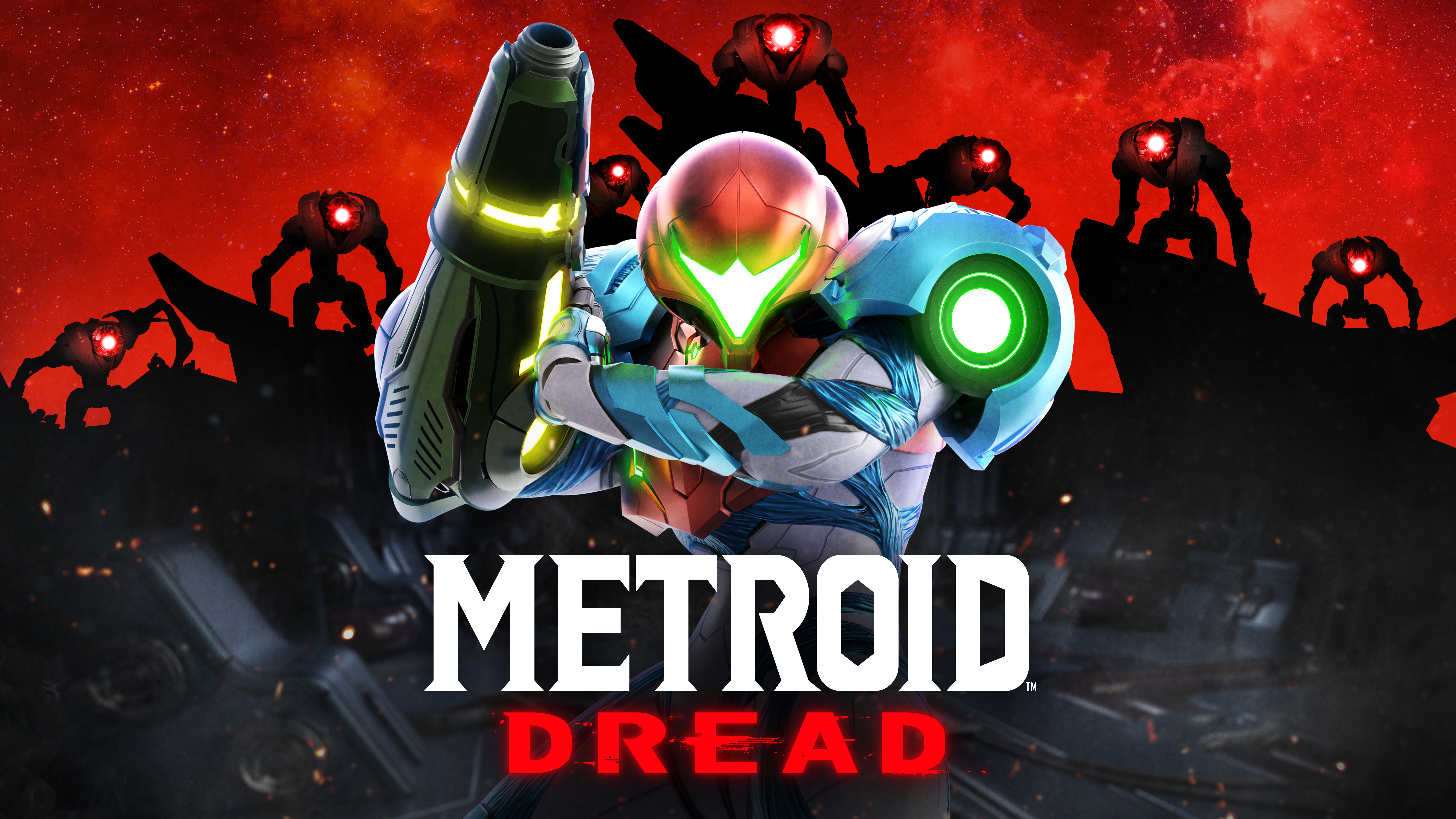
When Metroid Prime 4: Beyond launched for the Nintendo Switch 2, it became one of the most anticipated titles in the Switch successor’s catalog.
Developed by Retro Studios after a highly publicized reboot in 2019, the game marks the first mainline Metroid Prime entry since 2007’s Corruption and delivers a fresh but divisive take on the series' classic formula.
Despite positive critical reception—including high praise from major outlets—Metroid Prime 4: Beyond currently holds a Metacritic score of 79, signaling a mixed response from players and critics grappling with its evolution from previous entries.
Originally announced in 2017, Metroid Prime 4 had a turbulent path to release.
The title’s initial development, assisted by Bandai Namco, was ultimately discarded in favor of a new direction under Retro Studios, the team behind the original Prime trilogy.
This decision reset the game’s production timeline, a rare move that signaled Nintendo's dedication to quality and brand consistency.
In a recent interview with Famitsu, a Nintendo representative offered insight into key design choices and the lengthy development cycle.
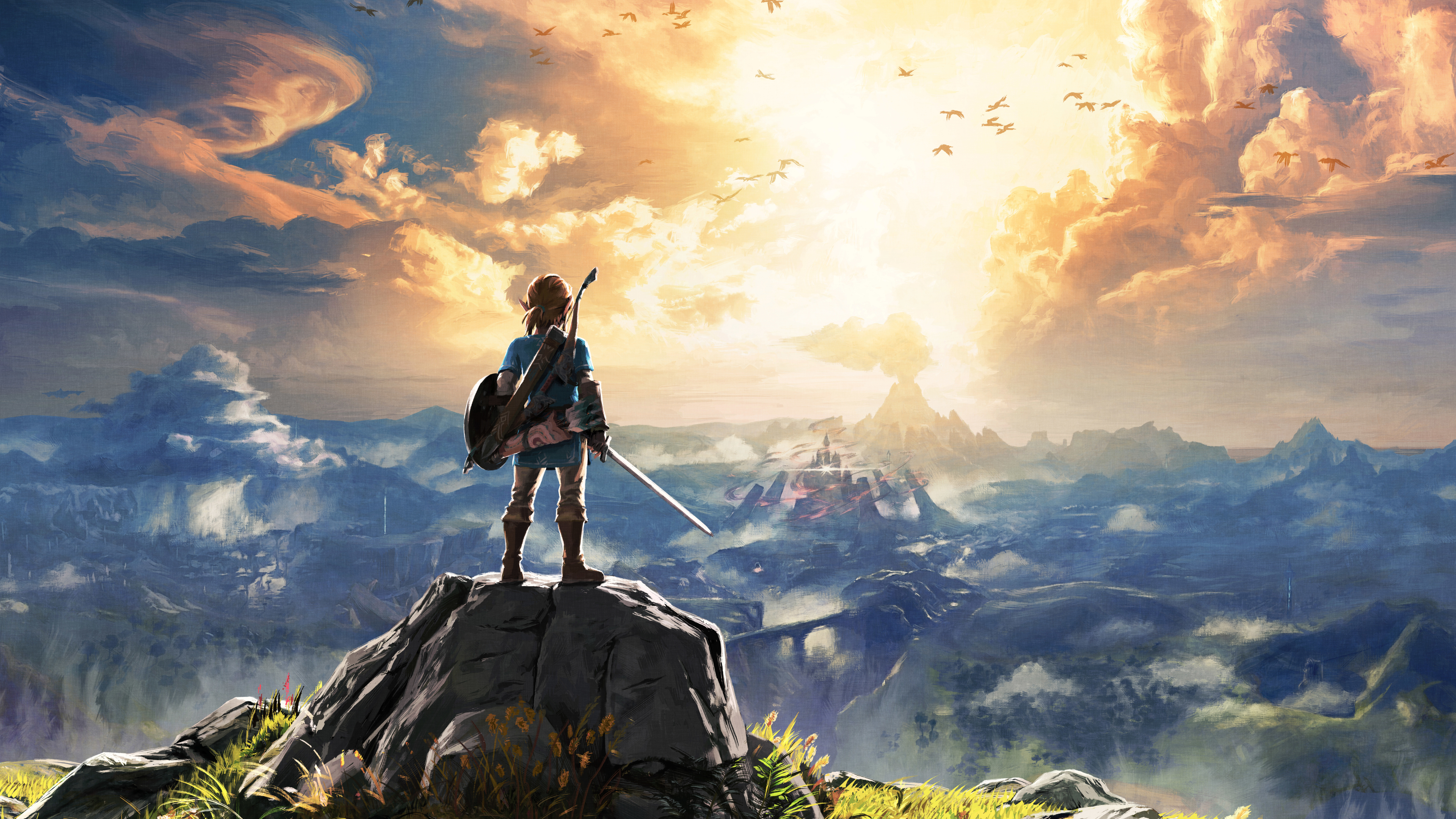
They explained that, at the outset, "due to The Legend of Zelda: Breath of the Wild’s impact, there was widespread demand online for an open-world Metroid." However, the spokesperson pointed out that Metroid’s DNA centers on gradually unlocking new areas through power-ups, making traditional open-world structures incompatible with its core gameplay loop.
As development continued, the team decided to build an expansive hub environment that would allow players to freely explore within certain boundaries, connecting to other areas in a controlled way.
This approach was intended to balance freedom and tension, integrating new traversal tools—such as the bike—for smoother exploration and pacing.
Yet, as the years passed and open-world design expectations evolved, Nintendo found itself at a crossroads.
"Ultimately, after having already restarted development once when Retro Studios took over, further backtracking wasn’t an option," the spokesperson said in a clear, objective manner.
"We made the decision to press on with our initial concept, staying true to our vision for what a Metroid Prime game should be—rather than chasing new trends."
During this period, industry trends shifted toward faster, more dynamic action gameplay.
Nintendo acknowledged these changes but deliberately chose not to incorporate them, focusing instead on preserving the methodical pacing synonymous with the Metroid franchise.
"Rather than adapt to every evolution in shooting and action games, we prioritized maintaining the tempo and identity that define Metroid adventures," they continued.
Metroid Prime 4: Beyond’s blend of classic design and modest innovation stands as a testament to Nintendo and Retro Studios’ commitment to their creative philosophy.
With confirmed sales milestones and prominent placement in the Nintendo Switch 2 lineup—available now on the eShop and spotlighted in multiple Nintendo Direct presentations—Metroid Prime 4 maintains the franchise’s relevance while sparking conversation about the balance of tradition and innovation in modern game development.
When Metroid Prime 4: Beyond launched for the Nintendo Switch 2, it became one of the most anticipated titles in the Switch successor’s catalog.
Developed by Retro Studios after a highly publicized reboot in 2019, the game marks the first mainline Metroid Prime entry since 2007’s Corruption and delivers a fresh but divisive take on the series' classic formula.
Despite positive critical reception—including high praise from major outlets—Metroid Prime 4: Beyond currently holds a Metacritic score of 79, signaling a mixed response from players and critics grappling with its evolution from previous entries.
Originally announced in 2017, Metroid Prime 4 had a turbulent path to release.
The title’s initial development, assisted by Bandai Namco, was ultimately discarded in favor of a new direction under Retro Studios, the team behind the original Prime trilogy.
This decision reset the game’s production timeline, a rare move that signaled Nintendo's dedication to quality and brand consistency.
In a recent interview with Famitsu, a Nintendo representative offered insight into key design choices and the lengthy development cycle.
They explained that, at the outset, "due to The Legend of Zelda: Breath of the Wild’s impact, there was widespread demand online for an open-world Metroid." However, the spokesperson pointed out that Metroid’s DNA centers on gradually unlocking new areas through power-ups, making traditional open-world structures incompatible with its core gameplay loop.
As development continued, the team decided to build an expansive hub environment that would allow players to freely explore within certain boundaries, connecting to other areas in a controlled way.
This approach was intended to balance freedom and tension, integrating new traversal tools—such as the bike—for smoother exploration and pacing.
Yet, as the years passed and open-world design expectations evolved, Nintendo found itself at a crossroads.
"Ultimately, after having already restarted development once when Retro Studios took over, further backtracking wasn’t an option," the spokesperson said in a clear, objective manner.
"We made the decision to press on with our initial concept, staying true to our vision for what a Metroid Prime game should be—rather than chasing new trends."
During this period, industry trends shifted toward faster, more dynamic action gameplay.
Nintendo acknowledged these changes but deliberately chose not to incorporate them, focusing instead on preserving the methodical pacing synonymous with the Metroid franchise.
"Rather than adapt to every evolution in shooting and action games, we prioritized maintaining the tempo and identity that define Metroid adventures," they continued.
Metroid Prime 4: Beyond’s blend of classic design and modest innovation stands as a testament to Nintendo and Retro Studios’ commitment to their creative philosophy.
With confirmed sales milestones and prominent placement in the Nintendo Switch 2 lineup—available now on the eShop and spotlighted in multiple Nintendo Direct presentations—Metroid Prime 4 maintains the franchise’s relevance while sparking conversation about the balance of tradition and innovation in modern game development.