In the competitive landscape of gaming innovation, intellectual property rights are critical to safeguarding creativity and business interests.
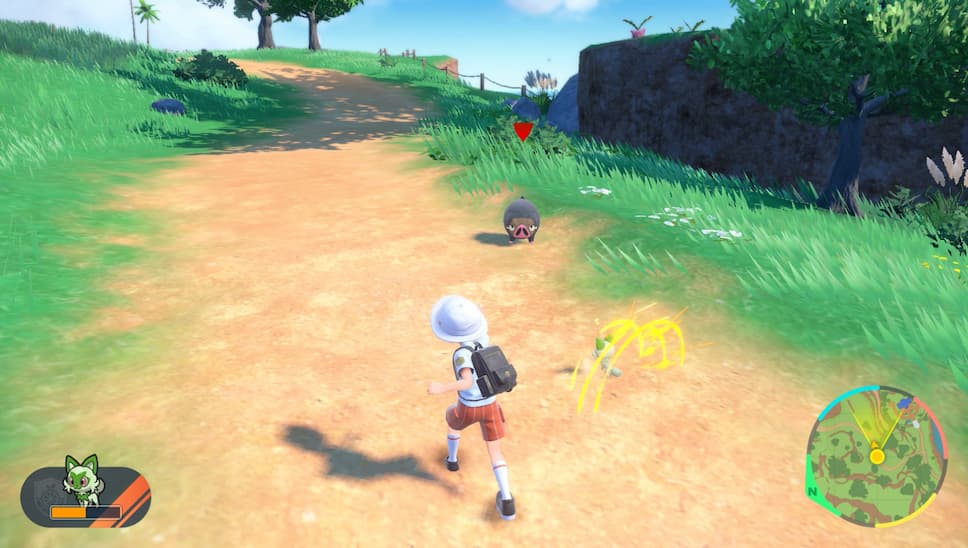
Nintendo, along with The Pokémon Company, has been at the center of an ongoing patent dispute regarding a gameplay mechanic that involves summoning one character to battle another—a concept familiar to many Nintendo Switch and Pokémon franchise fans.
Last year, Nintendo and The Pokémon Company were granted a United States patent centered on the mechanics of character summoning and subsequent combat—core elements in several popular titles.
The announcement stirred industry attention and concern, as developers and the broader gaming community speculated on the potential ramifications this could have for creativity and competition on platforms like the Nintendo Switch and broader eShop ecosystem.
Industry response to the patent was mixed to negative.
Concerns primarily centered on how such broad claim language could influence the development of similar gameplay experiences both within and beyond Nintendo-produced titles.
However, the situation evolved earlier this year when John A.
Squires, Director at the United States Patent and Trademark Office (USPTO), formally ordered a reexamination of the patent.
After this order, Nintendo declined to submit an initial response, a move that was anticipated by patent law experts.
Following the reexamination, the USPTO issued a non-final Office action rejecting all 26 claims outlined in Nintendo’s patent submission.
Currently, this rejection is considered non-final.
According to patent office protocol, Nintendo now has up to two months to respond to the Office action, with additional extensions possible if requested.
The company may present counterarguments or amendments, and if no agreement is reached, Nintendo could escalate the process by appealing to the Federal Circuit court.
The implications for the Nintendo Switch platform and ongoing game development are significant, as this precedent may influence how gameplay mechanics are patented in the future.
As of now, neither Nintendo nor The Pokémon Company has commented publicly on their next steps.
Any further movement in the case—whether a response from Nintendo or additional USPTO actions—will be closely monitored by both the legal and gaming communities.
For now, developers, publishers, and gamers await Nintendo’s strategy in the face of this setback, mindful of the broader impact these legal proceedings may have on future innovation across the Nintendo Switch and related platforms.
Nintendo, along with The Pokémon Company, has been at the center of an ongoing patent dispute regarding a gameplay mechanic that involves summoning one character to battle another—a concept familiar to many Nintendo Switch and Pokémon franchise fans.
Last year, Nintendo and The Pokémon Company were granted a United States patent centered on the mechanics of character summoning and subsequent combat—core elements in several popular titles.
The announcement stirred industry attention and concern, as developers and the broader gaming community speculated on the potential ramifications this could have for creativity and competition on platforms like the Nintendo Switch and broader eShop ecosystem.
Industry response to the patent was mixed to negative.
Concerns primarily centered on how such broad claim language could influence the development of similar gameplay experiences both within and beyond Nintendo-produced titles.
However, the situation evolved earlier this year when John A.
Squires, Director at the United States Patent and Trademark Office (USPTO), formally ordered a reexamination of the patent.
After this order, Nintendo declined to submit an initial response, a move that was anticipated by patent law experts.
Following the reexamination, the USPTO issued a non-final Office action rejecting all 26 claims outlined in Nintendo’s patent submission.
Currently, this rejection is considered non-final.
According to patent office protocol, Nintendo now has up to two months to respond to the Office action, with additional extensions possible if requested.
The company may present counterarguments or amendments, and if no agreement is reached, Nintendo could escalate the process by appealing to the Federal Circuit court.
The implications for the Nintendo Switch platform and ongoing game development are significant, as this precedent may influence how gameplay mechanics are patented in the future.
As of now, neither Nintendo nor The Pokémon Company has commented publicly on their next steps.
Any further movement in the case—whether a response from Nintendo or additional USPTO actions—will be closely monitored by both the legal and gaming communities.
For now, developers, publishers, and gamers await Nintendo’s strategy in the face of this setback, mindful of the broader impact these legal proceedings may have on future innovation across the Nintendo Switch and related platforms.