Nintendo Faces Non-Final Rejection of Pokémon Patent in Palworld Legal Battle
Nintendo has encountered a significant setback in its ongoing legal dispute over monster-catching game mechanics, as the United States Patent and Trademark Office (USPTO) recently issued a non-final rejection of its widely discussed 'summon character and let it fight' patent, central to its Pokémon franchise.
The legal battle, which has implications across the gaming industry, pits Nintendo against Pocketpair, the developer of the popular indie title Palworld, and throws a spotlight on the boundaries of game design intellectual property.
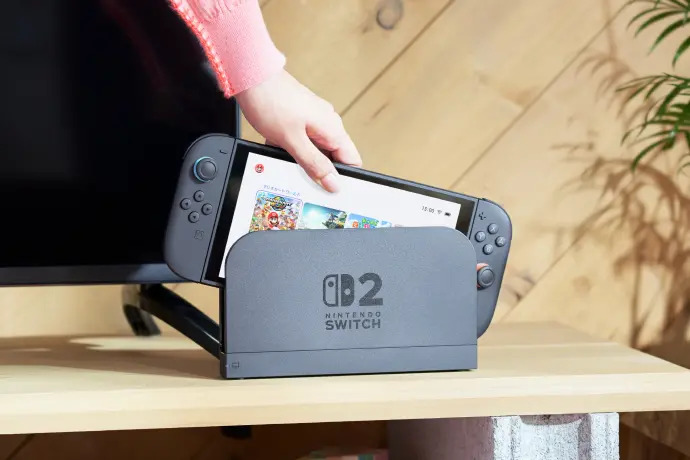
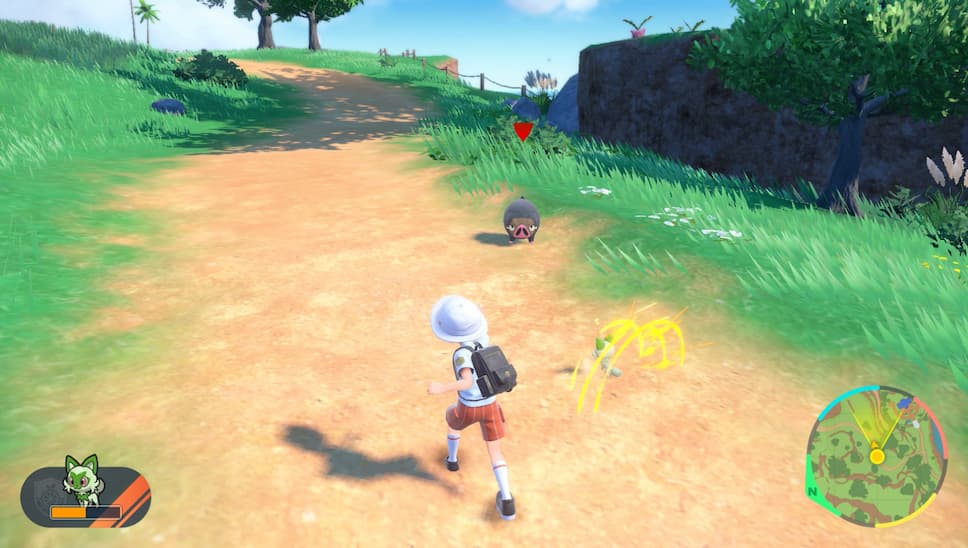
Background: Nintendo filed the patent to secure rights over mechanics that allow players to summon characters to fight for them, a core component of the Pokémon series and its success on platforms like the Nintendo Switch.
In response to rising competition from games such as Palworld—known for its open-world multiplayer monster-catching mechanics—Nintendo sought to protect its intellectual property.
However, the USPTO's recent ruling throws the status of the patent into question.
Details of the USPTO Ruling
According to Florian Mueller of Games Fray, reporting via VGC, the USPTO declined all 26 claims made in Nintendo's patent submission.
The decision is labeled "non-final," which means Nintendo now has a two-month window to respond or appeal, potentially extending that period.
If Nintendo does not successfully contest the rejection, the patent would be effectively invalidated.
Notably, this action follows a rare directive from USPTO director John Squires, who ordered a reexamination of the patent in November 2025—an event that has only occurred 175 times among 15,000 ex parte examination requests since 1981.
The review focused on prior art, referencing earlier U.S. patent applications including "Taura" (a Nintendo patent from 2020), "Yabe" (a Konami patent from 2002), "Motokura" (a 2022 Nintendo patent), and "Shimomoto" (a 2020 Bandai Namco patent).
Squires' analysis found that combinations of these precedents rendered all of Nintendo's claims unpatentable, as similar summoning and sub-character mechanics have appeared widely in gaming history.
In an industry context, these mechanisms are hardly unique to Nintendo.
Franchises like Digimon, Persona, Shin Megami Tensei, and even recent titles like Elden Ring employ variants of sub-character and monster-summoning systems.
The prevalence of these gameplay mechanics contributed to skepticism among legal experts when the patent was originally granted; former Pokémon Company legal counsel Don McGowan indicated that many companies would likely ignore the patent due to its broad scope, while video game IP attorney Kirk Sigmon expressed disagreement with its allowance, stating that, in his view, the claims were not justifiable.
What This Means for Palworld and Nintendo
While the USPTO's ruling is "non-final," Nintendo can still engage with the process by providing additional arguments or appealing further, even to the U.S. Federal Circuit.
If any part of the patent is ultimately validated, Nintendo could leverage it to challenge other developers using similar mechanics.
Meanwhile, Pocketpair’s Palworld is slated for a full 1.0 release this year and continues to attract attention for its unique take on monster collection and player co-op, especially on digital storefronts like the eShop.
The U.S. verdict also parallels ongoing legal proceedings in Japan, where additional patents pertaining to monster-catching and gameplay mechanics—such as animal mounts—are under review.
Notably, at least one of Nintendo’s patents covering creature-catching methods has already been rejected by Japanese authorities.
As the Nintendo Switch remains the platform of choice for monster-catching adventures, this evolving legal landscape could shape not only the future of Palworld and Pokémon but also how innovation is protected within the gaming industry.
Nintendo has encountered a significant setback in its ongoing legal dispute over monster-catching game mechanics, as the United States Patent and Trademark Office (USPTO) recently issued a non-final rejection of its widely discussed 'summon character and let it fight' patent, central to its Pokémon franchise.
The legal battle, which has implications across the gaming industry, pits Nintendo against Pocketpair, the developer of the popular indie title Palworld, and throws a spotlight on the boundaries of game design intellectual property.
Background: Nintendo filed the patent to secure rights over mechanics that allow players to summon characters to fight for them, a core component of the Pokémon series and its success on platforms like the Nintendo Switch.
In response to rising competition from games such as Palworld—known for its open-world multiplayer monster-catching mechanics—Nintendo sought to protect its intellectual property.
However, the USPTO's recent ruling throws the status of the patent into question.
Details of the USPTO Ruling
According to Florian Mueller of Games Fray, reporting via VGC, the USPTO declined all 26 claims made in Nintendo's patent submission.
The decision is labeled "non-final," which means Nintendo now has a two-month window to respond or appeal, potentially extending that period.
If Nintendo does not successfully contest the rejection, the patent would be effectively invalidated.
Notably, this action follows a rare directive from USPTO director John Squires, who ordered a reexamination of the patent in November 2025—an event that has only occurred 175 times among 15,000 ex parte examination requests since 1981.
The review focused on prior art, referencing earlier U.S. patent applications including "Taura" (a Nintendo patent from 2020), "Yabe" (a Konami patent from 2002), "Motokura" (a 2022 Nintendo patent), and "Shimomoto" (a 2020 Bandai Namco patent).
Squires' analysis found that combinations of these precedents rendered all of Nintendo's claims unpatentable, as similar summoning and sub-character mechanics have appeared widely in gaming history.
In an industry context, these mechanisms are hardly unique to Nintendo.
Franchises like Digimon, Persona, Shin Megami Tensei, and even recent titles like Elden Ring employ variants of sub-character and monster-summoning systems.
The prevalence of these gameplay mechanics contributed to skepticism among legal experts when the patent was originally granted; former Pokémon Company legal counsel Don McGowan indicated that many companies would likely ignore the patent due to its broad scope, while video game IP attorney Kirk Sigmon expressed disagreement with its allowance, stating that, in his view, the claims were not justifiable.
What This Means for Palworld and Nintendo
While the USPTO's ruling is "non-final," Nintendo can still engage with the process by providing additional arguments or appealing further, even to the U.S. Federal Circuit.
If any part of the patent is ultimately validated, Nintendo could leverage it to challenge other developers using similar mechanics.
Meanwhile, Pocketpair’s Palworld is slated for a full 1.0 release this year and continues to attract attention for its unique take on monster collection and player co-op, especially on digital storefronts like the eShop.
The U.S. verdict also parallels ongoing legal proceedings in Japan, where additional patents pertaining to monster-catching and gameplay mechanics—such as animal mounts—are under review.
Notably, at least one of Nintendo’s patents covering creature-catching methods has already been rejected by Japanese authorities.
As the Nintendo Switch remains the platform of choice for monster-catching adventures, this evolving legal landscape could shape not only the future of Palworld and Pokémon but also how innovation is protected within the gaming industry.