


Nintendo’s Evolving Game Review Scores: A Deep Dive into Recent Switch 2 Releases
In the fast-moving world of Nintendo games, each new release is scrutinized not just for content and innovation but also for its performance on platforms like Metacritic.
Over the past year, five notable Nintendo Switch 2 exclusives—Hyrule Warriors: Age of Imprisonment, Kirby Air Riders, Pokémon Legends: Z-A, Metroid Prime 4: Beyond, and Mario Tennis Fever—have each received Metascores below 80, sparking discussion among fans and critics alike.
But what do these numbers really signify about Nintendo’s modern game quality?
Let’s take a closer look at each title, contextualize their reception, and examine whether review scores tell the whole story.
Hyrule Warriors: Age of Imprisonment – Technical Improvements and Genre Perceptions
Hyrule Warriors continues to be a unique blend of Zelda lore and hack-and-slash gameplay.
Age of Imprisonment launched with a Metacritic score of 79—closely mirroring previous series entries, such as Hyrule Warriors: Definitive Edition (78) and Hyrule Warriors: Age of Calamity (78).
While the differences in scores might appear negligible, Age of Imprisonment offers clear technical improvements, notably targeting 60 FPS performance even in handheld mode on Nintendo Switch 2.
These gains represent a significant leap from Age of Calamity, which struggled with framerate drops, especially during intensive scenes or split-screen multiplayer.
Nevertheless, the Warriors format has traditionally seen capped critical enthusiasm, often regarded as accessible but shallow.
As one player summarized, “Though Age of Imprisonment is a notable upgrade, genre conventions inherently limit its ceiling for critical acclaim.”
Kirby Air Riders – A Content-Rich Racing Hit
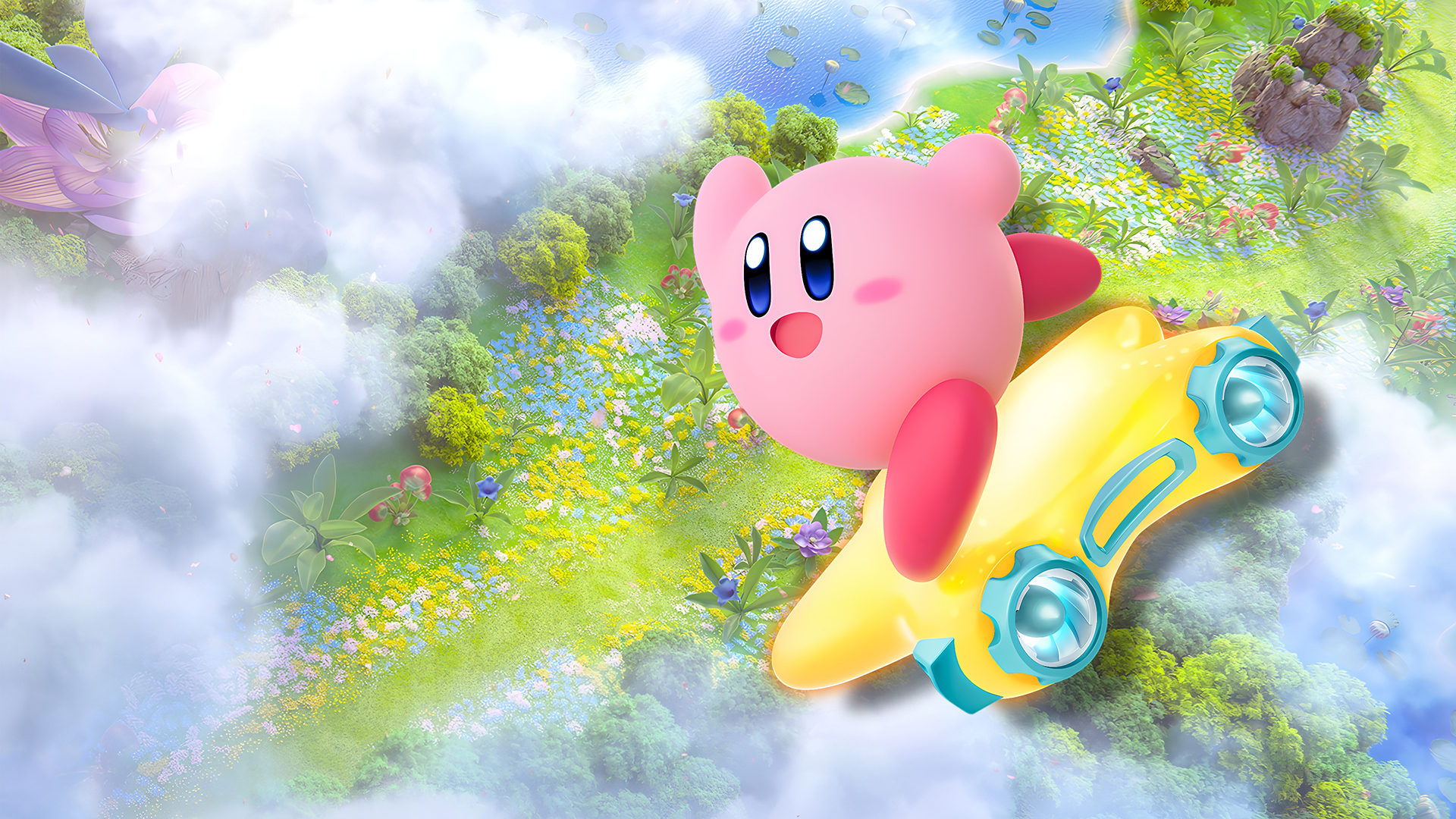
The return of Kirby in Kirby Air Riders marks a return to high-energy, multiplayer racing.
Despite its robust feature set—including the fan-favorite City Trial mode and over 50 Stadium events—Kirby Air Riders holds a Metascore of 79.
Interestingly, the user score stands much higher at 8.7, reflecting a strong player base appreciation.
Where many modern racing titles rely heavily on post-launch DLC, Kirby Air Riders shipped with a comprehensive suite of base content and multiple racing modes, a point often applauded by the community.
“Kirby Air Riders excels with its generous launch content and engaging modes, making it a true highlight among Switch 2 exclusives,” noted one review summary.
The game’s accessibility, combined with a depth that rewards repeated play, suggests certain immersive elements may elude traditional review metrics.
Pokémon Legends: Z-A – Innovation Meets Mixed Reception
Game Freak’s Pokémon Legends: Z-A arrives with big ambitions and an eventual Metacritic score of 78.
While gameplay improvements such as enhanced battle mechanics and new Mega Evolutions were welcomed, critics and users alike noted the limitation of being confined almost exclusively to Lumiose City.
The game’s DLC, instead of expanding exploration, further focused on the city setting, resulting in a lack of environmental diversity—an aspect that many long-time fans found disappointing.
The absence of voice acting, combined with grind-heavy progression in the DLC, dampened the overall impact.
However, its humor and fresh combat elements drew praise.
Historically, mainline Pokémon titles have seen fluctuating reviews: Pokémon Legends: Arceus scored 83, Sword and Shield 80, and Scarlet and Violet 72.
Pokémon Legends: Z-A’s reception, then, is consistent with recent trends for the franchise on Nintendo hardware.
Metroid Prime 4: Beyond – A Long-Awaited Sequel with Divisive Design
Retro Studios’ Metroid Prime 4: Beyond reached players after a protracted development cycle, opening to a Metascore of 78.
The title features spectacular visuals and a robust core gameplay loop, yet many fans expressed dissatisfaction with design decisions such as unusually heavy emphasis on NPC interaction and linear progression through primary areas like Sol Valley.
Comparisons to titles like Metroid Prime Remastered underscore how revered entries can overshadow new releases; the remastered classic, for example, drew widespread acclaim for balancing exploration and pacing.
One community sentiment encapsulated the reception: “Metroid Prime 4: Beyond delivers a technically impressive product, but its narrative focus and structure prove polarizing among series veterans.”
Mario Tennis Fever – Reinventing the Sports Formula
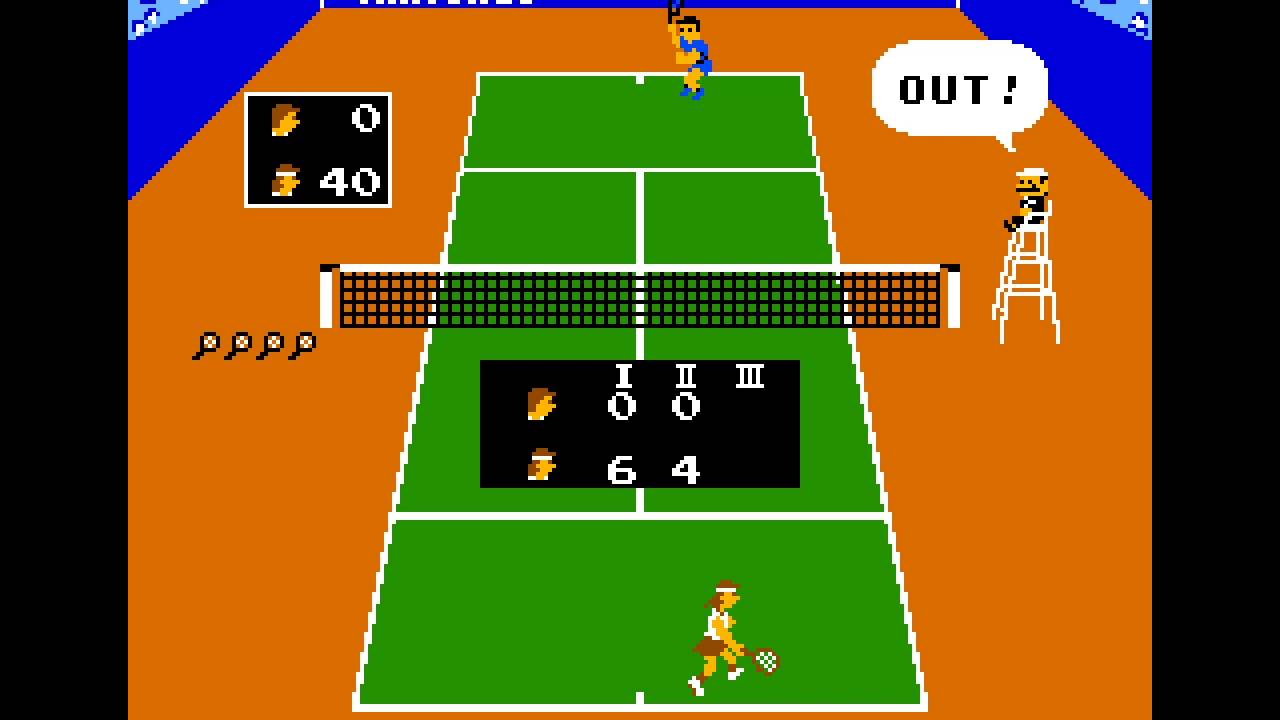
The Mario sports lineage grows with Mario Tennis Fever, designed to address critiques of thin launch content in games like Mario Tennis Aces.
Fever provides a robust roster and modes such as the hidden 100 Trials and Mix It Up for varied solo and multiplayer play.
Nevertheless, it landed a Metacritic score of 77.
Previous entries, including Aces (75), Open (69), Ultra Smash (58), and the much-lauded Mario Tennis (91) on N64, highlight shifting standards for the genre.
While Mario Tennis Fever is seen as a step forward, the broader sports subgenre’s niche status may cap review enthusiasm.
"Mario Tennis Fever showcases a well-rounded package at launch, though the $70 price remains contentious," summarized a major review outlet.
Conclusion: Are Metacritic Scores the Final Word?
The under-80 review scores for these recent Nintendo Switch 2 releases have ignited debate about both review criteria and the evolution of player expectations.
While Metascores frame the discourse, titles like Kirby Air Riders and Age of Imprisonment prove that critical consensus isn’t always indicative of community enjoyment or overall quality.
Each game reviewed here exemplifies both Nintendo’s willingness to push genre boundaries and the constraints of established series conventions.
Ultimately, while review scores offer a useful benchmark, they cannot capture the nuanced impact these games make on a passionate, ever-changing player base.
In the fast-moving world of Nintendo games, each new release is scrutinized not just for content and innovation but also for its performance on platforms like Metacritic.
Over the past year, five notable Nintendo Switch 2 exclusives—Hyrule Warriors: Age of Imprisonment, Kirby Air Riders, Pokémon Legends: Z-A, Metroid Prime 4: Beyond, and Mario Tennis Fever—have each received Metascores below 80, sparking discussion among fans and critics alike.
But what do these numbers really signify about Nintendo’s modern game quality?
Let’s take a closer look at each title, contextualize their reception, and examine whether review scores tell the whole story.
Hyrule Warriors: Age of Imprisonment – Technical Improvements and Genre Perceptions
Hyrule Warriors continues to be a unique blend of Zelda lore and hack-and-slash gameplay.
Age of Imprisonment launched with a Metacritic score of 79—closely mirroring previous series entries, such as Hyrule Warriors: Definitive Edition (78) and Hyrule Warriors: Age of Calamity (78).
While the differences in scores might appear negligible, Age of Imprisonment offers clear technical improvements, notably targeting 60 FPS performance even in handheld mode on Nintendo Switch 2.
These gains represent a significant leap from Age of Calamity, which struggled with framerate drops, especially during intensive scenes or split-screen multiplayer.
Nevertheless, the Warriors format has traditionally seen capped critical enthusiasm, often regarded as accessible but shallow.
As one player summarized, “Though Age of Imprisonment is a notable upgrade, genre conventions inherently limit its ceiling for critical acclaim.”
Kirby Air Riders – A Content-Rich Racing Hit
The return of Kirby in Kirby Air Riders marks a return to high-energy, multiplayer racing.
Despite its robust feature set—including the fan-favorite City Trial mode and over 50 Stadium events—Kirby Air Riders holds a Metascore of 79.
Interestingly, the user score stands much higher at 8.7, reflecting a strong player base appreciation.
Where many modern racing titles rely heavily on post-launch DLC, Kirby Air Riders shipped with a comprehensive suite of base content and multiple racing modes, a point often applauded by the community.
“Kirby Air Riders excels with its generous launch content and engaging modes, making it a true highlight among Switch 2 exclusives,” noted one review summary.
The game’s accessibility, combined with a depth that rewards repeated play, suggests certain immersive elements may elude traditional review metrics.
Pokémon Legends: Z-A – Innovation Meets Mixed Reception
Game Freak’s Pokémon Legends: Z-A arrives with big ambitions and an eventual Metacritic score of 78.
While gameplay improvements such as enhanced battle mechanics and new Mega Evolutions were welcomed, critics and users alike noted the limitation of being confined almost exclusively to Lumiose City.
The game’s DLC, instead of expanding exploration, further focused on the city setting, resulting in a lack of environmental diversity—an aspect that many long-time fans found disappointing.
The absence of voice acting, combined with grind-heavy progression in the DLC, dampened the overall impact.
However, its humor and fresh combat elements drew praise.
Historically, mainline Pokémon titles have seen fluctuating reviews: Pokémon Legends: Arceus scored 83, Sword and Shield 80, and Scarlet and Violet 72.
Pokémon Legends: Z-A’s reception, then, is consistent with recent trends for the franchise on Nintendo hardware.
Metroid Prime 4: Beyond – A Long-Awaited Sequel with Divisive Design
Retro Studios’ Metroid Prime 4: Beyond reached players after a protracted development cycle, opening to a Metascore of 78.
The title features spectacular visuals and a robust core gameplay loop, yet many fans expressed dissatisfaction with design decisions such as unusually heavy emphasis on NPC interaction and linear progression through primary areas like Sol Valley.
Comparisons to titles like Metroid Prime Remastered underscore how revered entries can overshadow new releases; the remastered classic, for example, drew widespread acclaim for balancing exploration and pacing.
One community sentiment encapsulated the reception: “Metroid Prime 4: Beyond delivers a technically impressive product, but its narrative focus and structure prove polarizing among series veterans.”
Mario Tennis Fever – Reinventing the Sports Formula
The Mario sports lineage grows with Mario Tennis Fever, designed to address critiques of thin launch content in games like Mario Tennis Aces.
Fever provides a robust roster and modes such as the hidden 100 Trials and Mix It Up for varied solo and multiplayer play.
Nevertheless, it landed a Metacritic score of 77.
Previous entries, including Aces (75), Open (69), Ultra Smash (58), and the much-lauded Mario Tennis (91) on N64, highlight shifting standards for the genre.
While Mario Tennis Fever is seen as a step forward, the broader sports subgenre’s niche status may cap review enthusiasm.
"Mario Tennis Fever showcases a well-rounded package at launch, though the $70 price remains contentious," summarized a major review outlet.
Conclusion: Are Metacritic Scores the Final Word?
The under-80 review scores for these recent Nintendo Switch 2 releases have ignited debate about both review criteria and the evolution of player expectations.
While Metascores frame the discourse, titles like Kirby Air Riders and Age of Imprisonment prove that critical consensus isn’t always indicative of community enjoyment or overall quality.
Each game reviewed here exemplifies both Nintendo’s willingness to push genre boundaries and the constraints of established series conventions.
Ultimately, while review scores offer a useful benchmark, they cannot capture the nuanced impact these games make on a passionate, ever-changing player base.