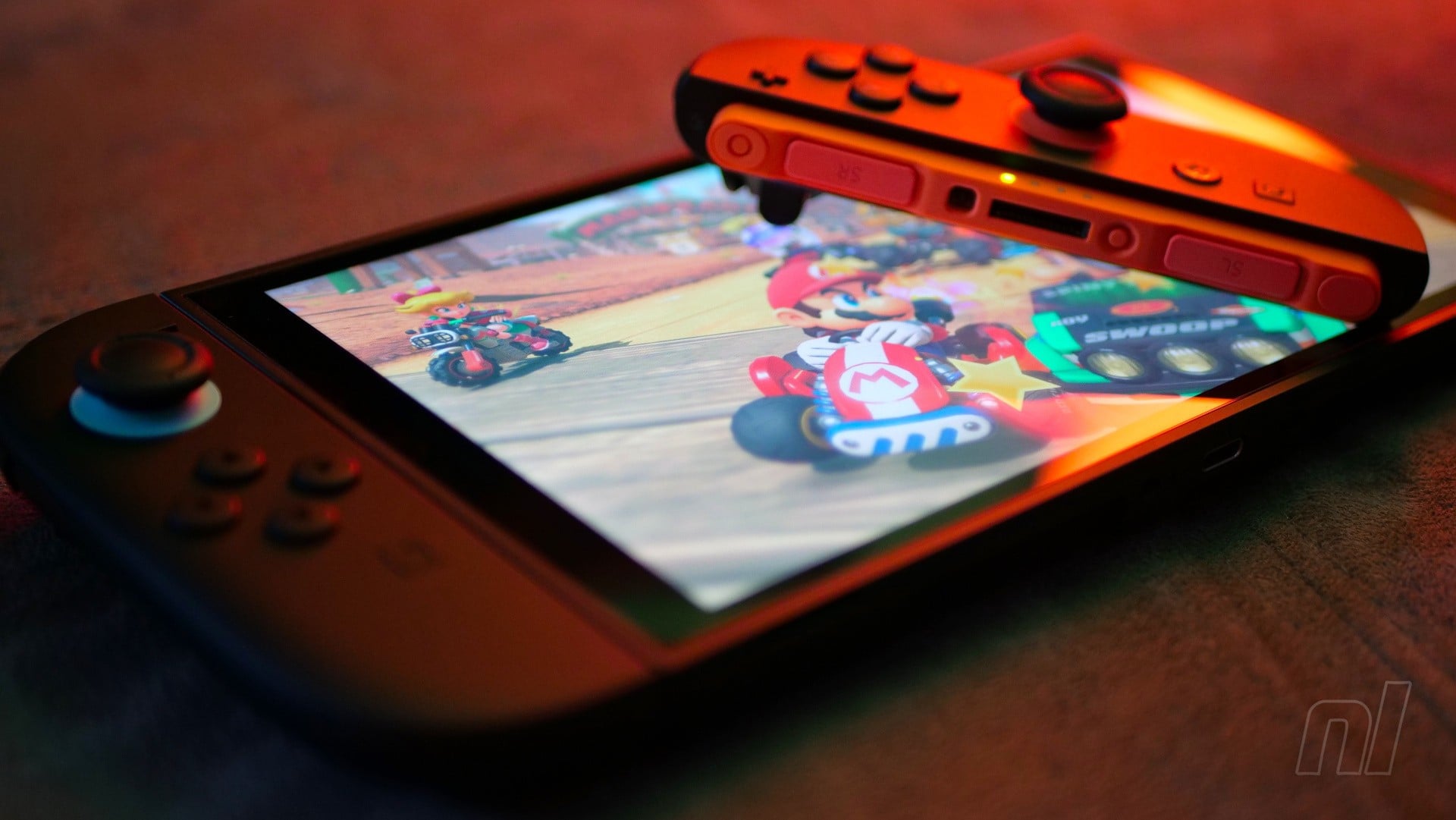


As anticipation continues to build around the Nintendo Switch 2, recently launched by Nintendo to great fanfare, questions about possible price increases in the face of global economic pressures have taken center stage in industry discussions.
Developed by Nintendo and following in the enormously successful footsteps of the original Switch—whose sales topped 125 million units globally—this next-generation console promises innovation, but also faces new challenges, especially concerning escalating hardware component costs.
In a recent interview with Japanese outlet Kyoto Shimbun, Nintendo president Shuntaro Furukawa addressed these concerns, providing clarity on several topics of interest for both consumers and industry observers.
Responding to speculation about whether rising manufacturing costs could prompt a Nintendo Switch 2 price hike, Furukawa stated, "I cannot comment on hypotheticals," emphasizing the company’s cautious approach to pricing decisions and signaling that no immediate changes are planned.
A major point of concern involves the soaring cost of memory chips, driven by the increasing demand for AI-related components.
According to details summarized by Nintendo Patents Watch, Furukawa noted that the current uptick in memory prices is not expected to affect Nintendo’s short-term financial outlook.
He explained that, while memory prices have gone up—largely due to the substantial requirements of advanced AI chips—there is "no immediate impact on Nintendo's financial performance." Furukawa reiterated the importance of closely monitoring these market dynamics to ensure the company remains agile and well-prepared to address future challenges as needed.
Beyond hardware and production topics, Furukawa also touched on Nintendo’s creative pipeline in the Kyoto Shimbun interview.
He confirmed ongoing development efforts for titles within established Nintendo franchises as well as entirely new intellectual properties (IP), reaffirming the company’s commitment to delivering both familiar experiences and fresh content for its player base.
In addition, he acknowledged Nintendo’s continued expansion into entertainment beyond gaming, particularly noting projects in the movie sector and the company’s openness to pursuing potential anime ventures in the future.
Furukawa’s measured responses are in line with Nintendo’s usual approach to public communications—wary of causing unnecessary concern and careful not to reveal too much proprietary strategy.
Nonetheless, these comments offer a reassuring message to players and investors alike as the Switch 2 enters its crucial first year.
Despite headwinds in the hardware supply chain, Nintendo remains confident in its financial stability, ongoing creative development, and expanding entertainment portfolio.
Developed by Nintendo and following in the enormously successful footsteps of the original Switch—whose sales topped 125 million units globally—this next-generation console promises innovation, but also faces new challenges, especially concerning escalating hardware component costs.
In a recent interview with Japanese outlet Kyoto Shimbun, Nintendo president Shuntaro Furukawa addressed these concerns, providing clarity on several topics of interest for both consumers and industry observers.
Responding to speculation about whether rising manufacturing costs could prompt a Nintendo Switch 2 price hike, Furukawa stated, "I cannot comment on hypotheticals," emphasizing the company’s cautious approach to pricing decisions and signaling that no immediate changes are planned.
A major point of concern involves the soaring cost of memory chips, driven by the increasing demand for AI-related components.
According to details summarized by Nintendo Patents Watch, Furukawa noted that the current uptick in memory prices is not expected to affect Nintendo’s short-term financial outlook.
He explained that, while memory prices have gone up—largely due to the substantial requirements of advanced AI chips—there is "no immediate impact on Nintendo's financial performance." Furukawa reiterated the importance of closely monitoring these market dynamics to ensure the company remains agile and well-prepared to address future challenges as needed.
Beyond hardware and production topics, Furukawa also touched on Nintendo’s creative pipeline in the Kyoto Shimbun interview.
He confirmed ongoing development efforts for titles within established Nintendo franchises as well as entirely new intellectual properties (IP), reaffirming the company’s commitment to delivering both familiar experiences and fresh content for its player base.
In addition, he acknowledged Nintendo’s continued expansion into entertainment beyond gaming, particularly noting projects in the movie sector and the company’s openness to pursuing potential anime ventures in the future.
Furukawa’s measured responses are in line with Nintendo’s usual approach to public communications—wary of causing unnecessary concern and careful not to reveal too much proprietary strategy.
Nonetheless, these comments offer a reassuring message to players and investors alike as the Switch 2 enters its crucial first year.
Despite headwinds in the hardware supply chain, Nintendo remains confident in its financial stability, ongoing creative development, and expanding entertainment portfolio.