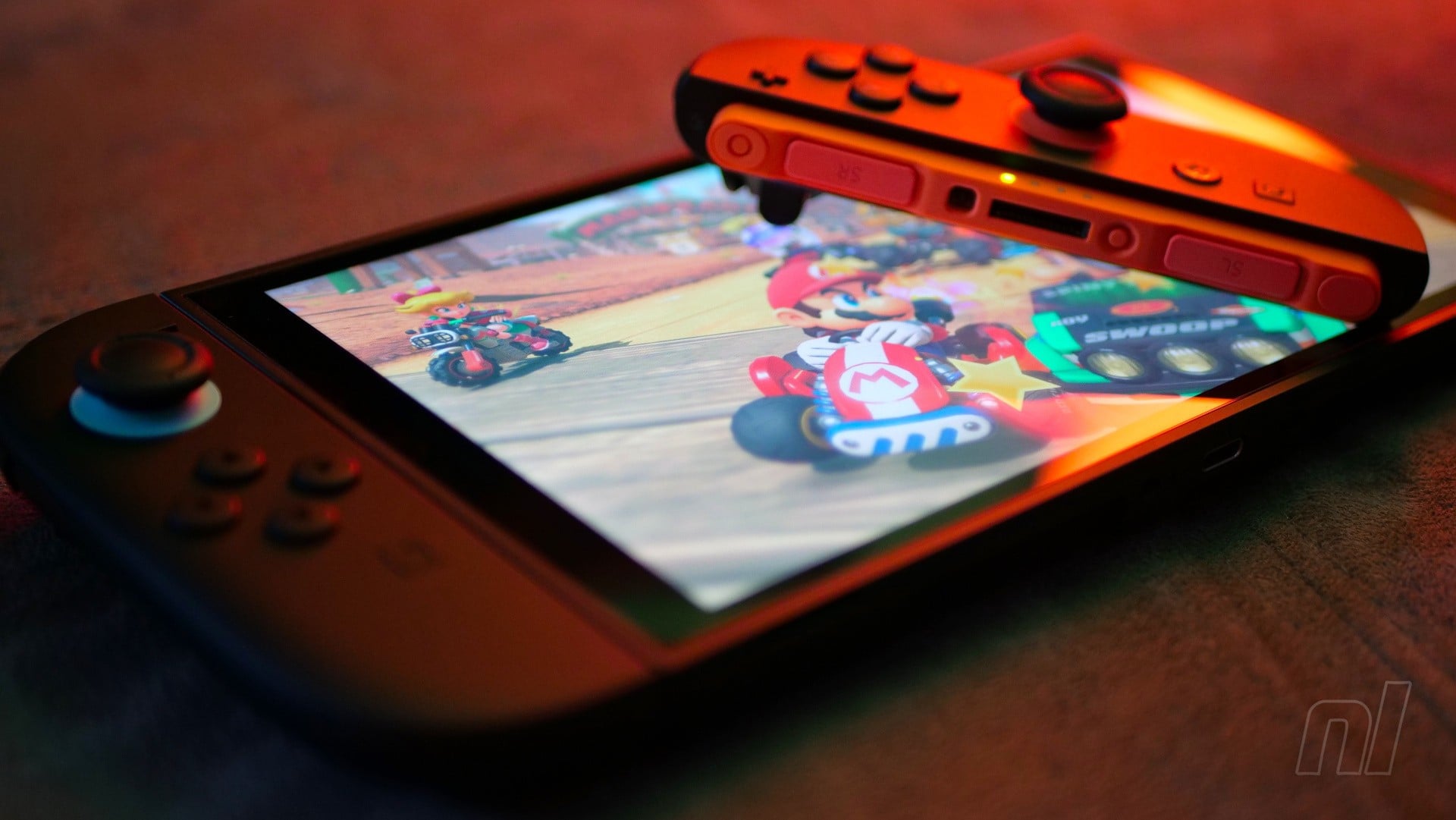


Nintendo Switch 2: Memory Prices Unlikely to Affect Console Pricing, Confirms President Furukawa
Nintendo’s forthcoming Switch 2 has remained a focal point of conversation within the gaming industry since its highly anticipated launch last year.
With the broader tech sector facing surges in memory component costs—driven in part by the rising demand for hardware used in artificial intelligence—some analysts and fans have expressed concerns that these trends could result in higher retail prices for Nintendo’s new flagship console.
However, recent statements from Nintendo president Shuntaro Furukawa suggest that such fears may be premature.
In a newly published interview with leading Japanese newspaper Kyoto Shimbun, Furukawa addressed these ongoing concerns.
When pressed about the possibility of a price increase due to economic pressures or the escalating costs of key hardware like memory chips, Furukawa declined to make concrete predictions.
Rather, he stated that he "cannot comment on hypotheticals," stressing the company’s commitment to transparency while also avoiding unnecessary speculation that could create market anxiety.
Of particular note, Furukawa clarified that the current trajectory of memory chip pricing—currently influenced by global demand for AI technology—will not have an "immediate impact on Nintendo’s financial performance." While acknowledging that memory prices have climbed in recent months, Furukawa emphasized Nintendo’s prudent approach to supply chain management and indicated that the company will continue to closely monitor any developments.
This cautious but reassuring stance helps allay potential concerns among both consumers and investors regarding near-term Switch 2 pricing or availability issues.
Beyond hardware costs, Furukawa touched on Nintendo’s broader plans for entertainment content.
He reiterated that Nintendo remains deeply committed to supporting its established franchises while also exploring new intellectual properties.
This aligns with the company’s ongoing strategy of balancing beloved series—such as Mario, Zelda, and Animal Crossing—with innovative new experiences for its global player base.
On the transmedia front, Furukawa reaffirmed Nintendo’s ambitions to expand its reach in the film industry following the commercial success of recent productions.
While firm details remain confidential, he noted that the company is considering an even broader move into animation, including a potential foray into the anime sector, further leveraging Nintendo’s rich catalog of iconic characters and worlds.
These latest remarks from Furukawa underscore Nintendo’s history of measured, forward-thinking management, especially in the face of unpredictable hardware trends and economic shifts.
As the Nintendo Switch 2 continues to attract both industry scrutiny and consumer anticipation, the company’s focus on stability, innovation, and strategic entertainment partnerships remains at the core of its approach.
Fans and stakeholders alike can look forward to more detailed updates as Nintendo’s next-generation era unfolds.
Nintendo’s forthcoming Switch 2 has remained a focal point of conversation within the gaming industry since its highly anticipated launch last year.
With the broader tech sector facing surges in memory component costs—driven in part by the rising demand for hardware used in artificial intelligence—some analysts and fans have expressed concerns that these trends could result in higher retail prices for Nintendo’s new flagship console.
However, recent statements from Nintendo president Shuntaro Furukawa suggest that such fears may be premature.
In a newly published interview with leading Japanese newspaper Kyoto Shimbun, Furukawa addressed these ongoing concerns.
When pressed about the possibility of a price increase due to economic pressures or the escalating costs of key hardware like memory chips, Furukawa declined to make concrete predictions.
Rather, he stated that he "cannot comment on hypotheticals," stressing the company’s commitment to transparency while also avoiding unnecessary speculation that could create market anxiety.
Of particular note, Furukawa clarified that the current trajectory of memory chip pricing—currently influenced by global demand for AI technology—will not have an "immediate impact on Nintendo’s financial performance." While acknowledging that memory prices have climbed in recent months, Furukawa emphasized Nintendo’s prudent approach to supply chain management and indicated that the company will continue to closely monitor any developments.
This cautious but reassuring stance helps allay potential concerns among both consumers and investors regarding near-term Switch 2 pricing or availability issues.
Beyond hardware costs, Furukawa touched on Nintendo’s broader plans for entertainment content.
He reiterated that Nintendo remains deeply committed to supporting its established franchises while also exploring new intellectual properties.
This aligns with the company’s ongoing strategy of balancing beloved series—such as Mario, Zelda, and Animal Crossing—with innovative new experiences for its global player base.
On the transmedia front, Furukawa reaffirmed Nintendo’s ambitions to expand its reach in the film industry following the commercial success of recent productions.
While firm details remain confidential, he noted that the company is considering an even broader move into animation, including a potential foray into the anime sector, further leveraging Nintendo’s rich catalog of iconic characters and worlds.
These latest remarks from Furukawa underscore Nintendo’s history of measured, forward-thinking management, especially in the face of unpredictable hardware trends and economic shifts.
As the Nintendo Switch 2 continues to attract both industry scrutiny and consumer anticipation, the company’s focus on stability, innovation, and strategic entertainment partnerships remains at the core of its approach.
Fans and stakeholders alike can look forward to more detailed updates as Nintendo’s next-generation era unfolds.