


Nintendo aims to extend the Switch 2 lifecycle in the same long-term fashion that sustained the original Nintendo Switch, company leadership told investors in the latest briefing.
The original Switch has now been on the market for nine years and is approaching its tenth anniversary, while the Switch 2 launched globally last June and has reached just under 20 million units sold worldwide.
Background and context
Nintendo leveraged evergreen first-party franchises to keep the Switch commercially relevant across its lifespan.
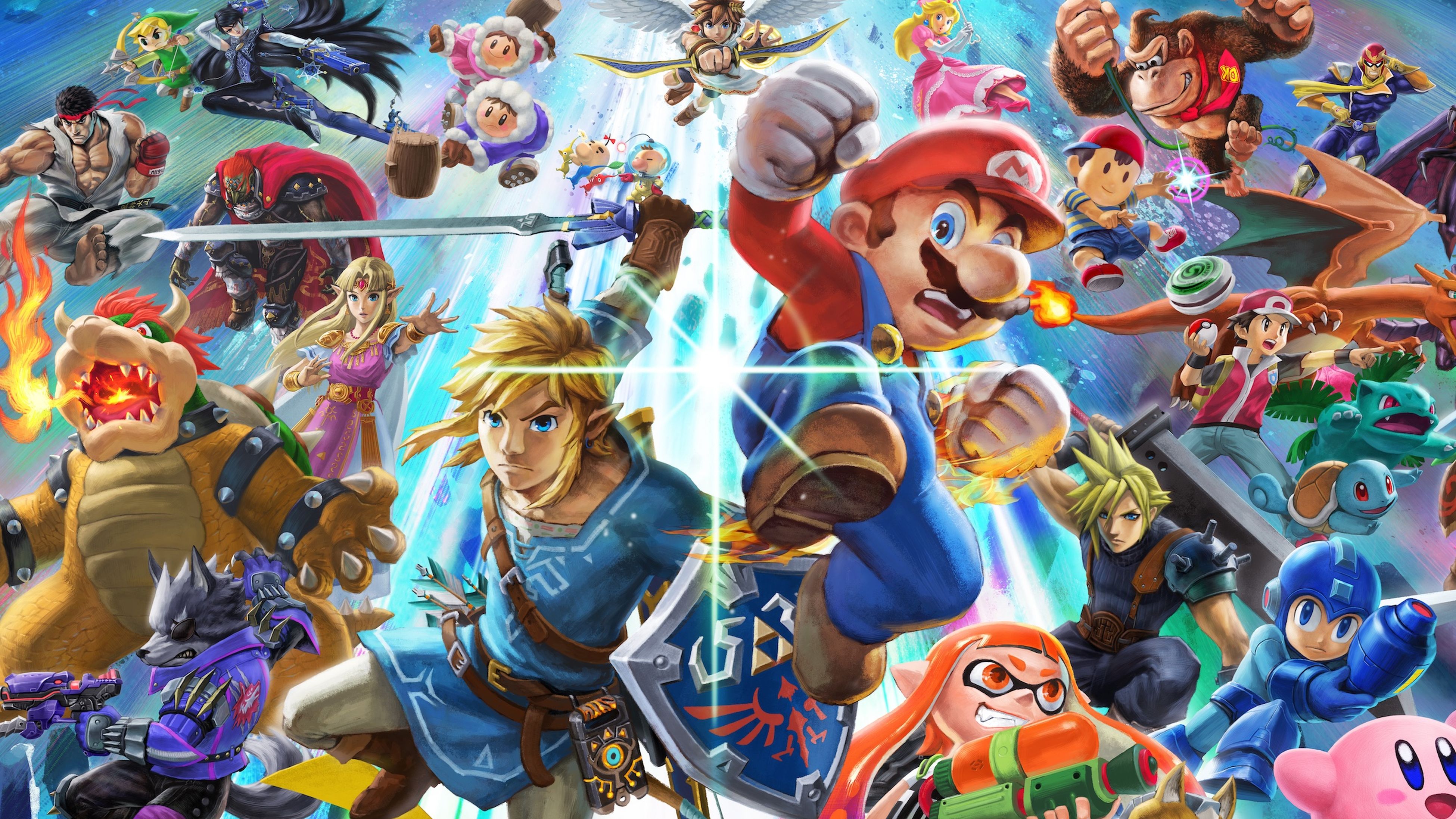
Titles such as Mario Kart 8 Deluxe, Animal Crossing: New Horizons and Super Smash Bros.
Ultimate helped drive sustained software sales, while hardware refreshes including a dedicated handheld variant and the OLED model refreshed the line and broadened appeal.
Long lifecycle strategy
In a translated summary of the investor briefing, Nintendo president Shuntaro Furukawa said the company intends for the Switch 2 to enjoy a prolonged life cycle similar to the original Switch.
He explained that Nintendo will focus on expanding the platform's installed base and steadily growing both hardware and software sales over time.
Early Switch 2 performance
The Switch 2 shipped with prominent first-year releases such as Mario Kart World and Donkey Kong Bananza.
In 2026 the platform has already seen notable momentum, including surprise success with Pokémon Pokopia and a Star Fox entry confirmed for release next month.
Those releases, combined with the broader software slate, are contributing to the system approaching 20 million sales since last June.
Supporting the existing user base
Nintendo continues to support the original Switch user base alongside the new console.
Recent first-party releases for the Switch include Tomodachi Life: Living the Dream, which launched last month, and Rhythm Heaven Groove, scheduled for release in July.
Furukawa has also previously stated Nintendo will continue to support the Switch user base in the foreseeable future.
Market changes and pricing
Nintendo noted changes in market conditions that have affected Switch 2 pricing, resulting in a global price adjustment for the new unit.
The company is relying on ongoing first-party releases, eShop support and its presentation channels, including Nintendo Direct, to maintain software momentum and nurture the Switch 2 platform over time.
The original Switch has now been on the market for nine years and is approaching its tenth anniversary, while the Switch 2 launched globally last June and has reached just under 20 million units sold worldwide.
Background and context
Nintendo leveraged evergreen first-party franchises to keep the Switch commercially relevant across its lifespan.
Titles such as Mario Kart 8 Deluxe, Animal Crossing: New Horizons and Super Smash Bros.
Ultimate helped drive sustained software sales, while hardware refreshes including a dedicated handheld variant and the OLED model refreshed the line and broadened appeal.
Long lifecycle strategy
In a translated summary of the investor briefing, Nintendo president Shuntaro Furukawa said the company intends for the Switch 2 to enjoy a prolonged life cycle similar to the original Switch.
He explained that Nintendo will focus on expanding the platform's installed base and steadily growing both hardware and software sales over time.
Early Switch 2 performance
The Switch 2 shipped with prominent first-year releases such as Mario Kart World and Donkey Kong Bananza.
In 2026 the platform has already seen notable momentum, including surprise success with Pokémon Pokopia and a Star Fox entry confirmed for release next month.
Those releases, combined with the broader software slate, are contributing to the system approaching 20 million sales since last June.
Supporting the existing user base
Nintendo continues to support the original Switch user base alongside the new console.
Recent first-party releases for the Switch include Tomodachi Life: Living the Dream, which launched last month, and Rhythm Heaven Groove, scheduled for release in July.
Furukawa has also previously stated Nintendo will continue to support the Switch user base in the foreseeable future.
Market changes and pricing
Nintendo noted changes in market conditions that have affected Switch 2 pricing, resulting in a global price adjustment for the new unit.
The company is relying on ongoing first-party releases, eShop support and its presentation channels, including Nintendo Direct, to maintain software momentum and nurture the Switch 2 platform over time.