


Nintendo UK has released a short, emotionally driven commercial that many viewers have referred to as a 'Switch 2' ad.
The one‑minute spot condenses a series of intimate moments — a breakup, the isolation of university life, and family reconnection — and threads them together with gameplay references to The Legend of Zelda: Ocarina of Time and Tomodachi Life.
The result has prompted widespread reaction from fans and outlets for its unexpectedly heartfelt tone.
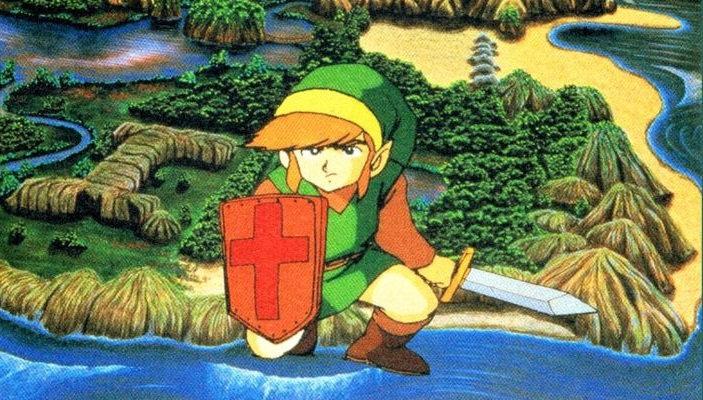
The ad places Ocarina of Time front and center, reminding audiences that the title first appeared on the Nintendo 64 in 1998 and later received a high‑profile remake for the Nintendo 3DS in 2011.
Tomodachi Life, meanwhile, originally launched on the Nintendo 3DS and is showcased for how Nintendo’s software can create personal, social moments both in living rooms and remotely.
By pairing those recognizable franchises with everyday life scenes, the commercial underscores Nintendo’s long history of connecting games to players’ personal stories.
Reaction to the spot was immediate and emotional.
One viral take on the ad summed up the viewer response by saying the commercial left people visibly moved — viewers joked they weren’t the ones crying, but the ad had clearly struck a chord.
Nintendo Life’s Jim Norman, who joined the outlet in 2022 and has written extensively about Nintendo’s catalog, described the ad as the kind of short that catches audiences off guard with its sincerity while reminding them how games tie into life milestones.
From a platform perspective, the commercial leans on Nintendo’s reputation for family‑friendly messaging and nostalgia.
The Nintendo Switch, launched in March 2017, has been the company’s home for a broad catalog that includes reissues and remasters of classic Nintendo franchises.
The spot also highlights how older Nintendo properties continue to find new audiences across hardware generations and digital storefronts such as the eShop.
Whether labeled a 'Switch 2' tease or a standalone marketing vignette, the Nintendo UK commercial is a clear example of how Nintendo uses short-form advertising to evoke emotion and spotlight its catalog.
For industry observers and fans alike, it reinforces Nintendo’s enduring role in both gaming culture and mainstream storytelling.