


Nintendo's iconic amiibo line has been a staple of its hardware ecosystem since launching in 2014, blending collectible figurines with in-game bonuses across flagship series such as Super Smash Bros., The Legend of Zelda, and Mario.
Despite celebrating its 10th anniversary last year—a rare milestone in the toys-to-life genre—amiibo fans have recently faced escalating prices and shifting priorities from the publisher.
As revealed during the September 2025 Nintendo Direct, the company is doubling down on premium figurines, signaling a new era for the collectible line on the Nintendo Switch and beyond.
Amiibo’s journey began nearly a decade ago, when figures debuted at $12.99 each, positioned as affordable extras that unlocked bonuses in select games.
These early amiibo quickly gained traction among fans, especially with novel features like trainable Figure Players in Super Smash Bros.
Fast-forward to 2025, and the pricing landscape has changed dramatically: new amiibo now carry a price tag of $24.99 to $34.99, reflecting an increase in sculpt detail and scale.
Even previously released figures have climbed to $19.99 each, raising questions about affordability for both new collectors and longtime fans.
Recently, Nintendo introduced a series of high-end amiibo, including expansive sets for Metroid Prime 4, Super Mario Galaxy, and Kirby Air Riders.
The latest figures are considerably larger—Metroid Prime 4's lineup, for instance, features characters on intricate stone platforms mounted on the standard base, bringing new artistry to the collection.
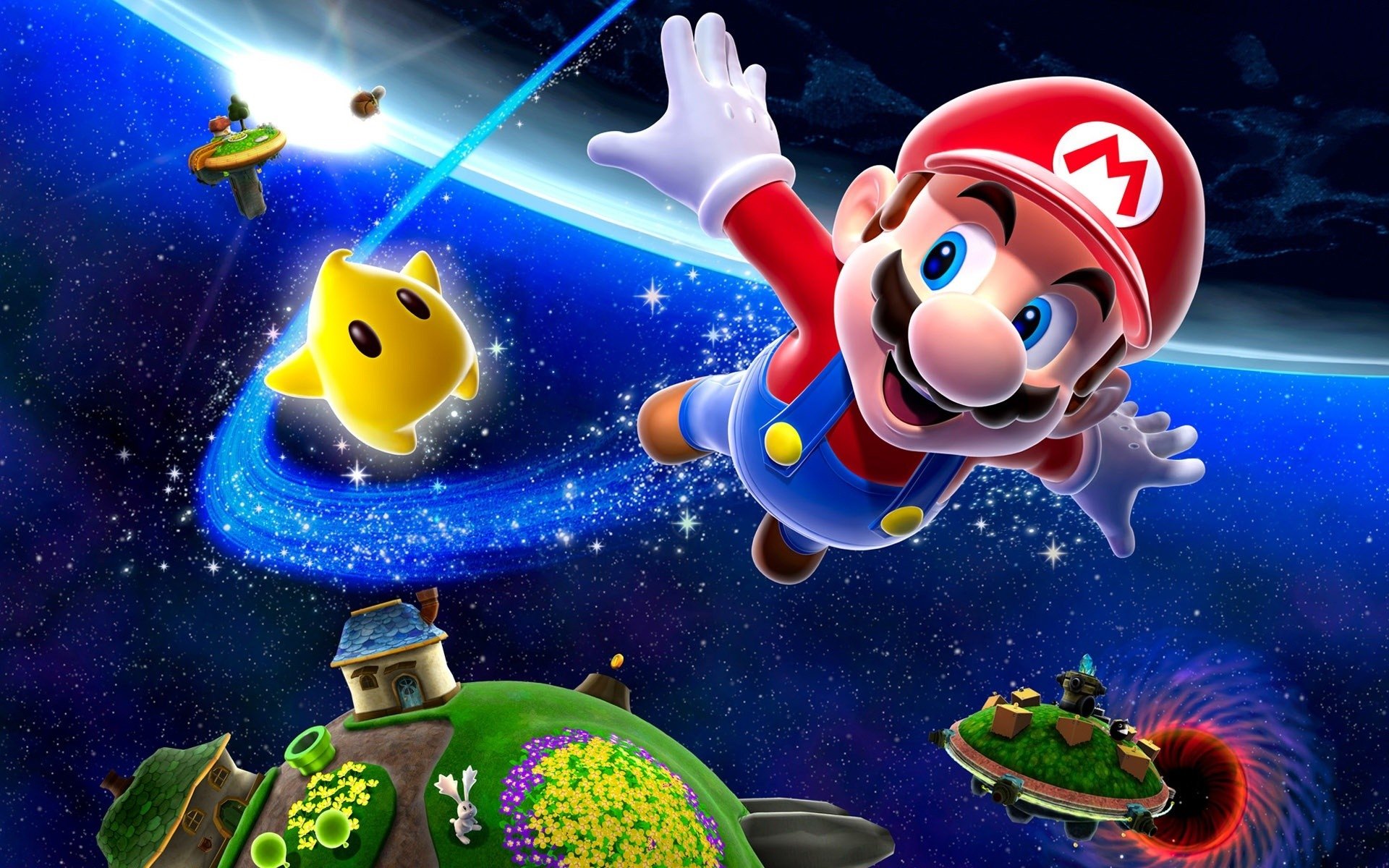
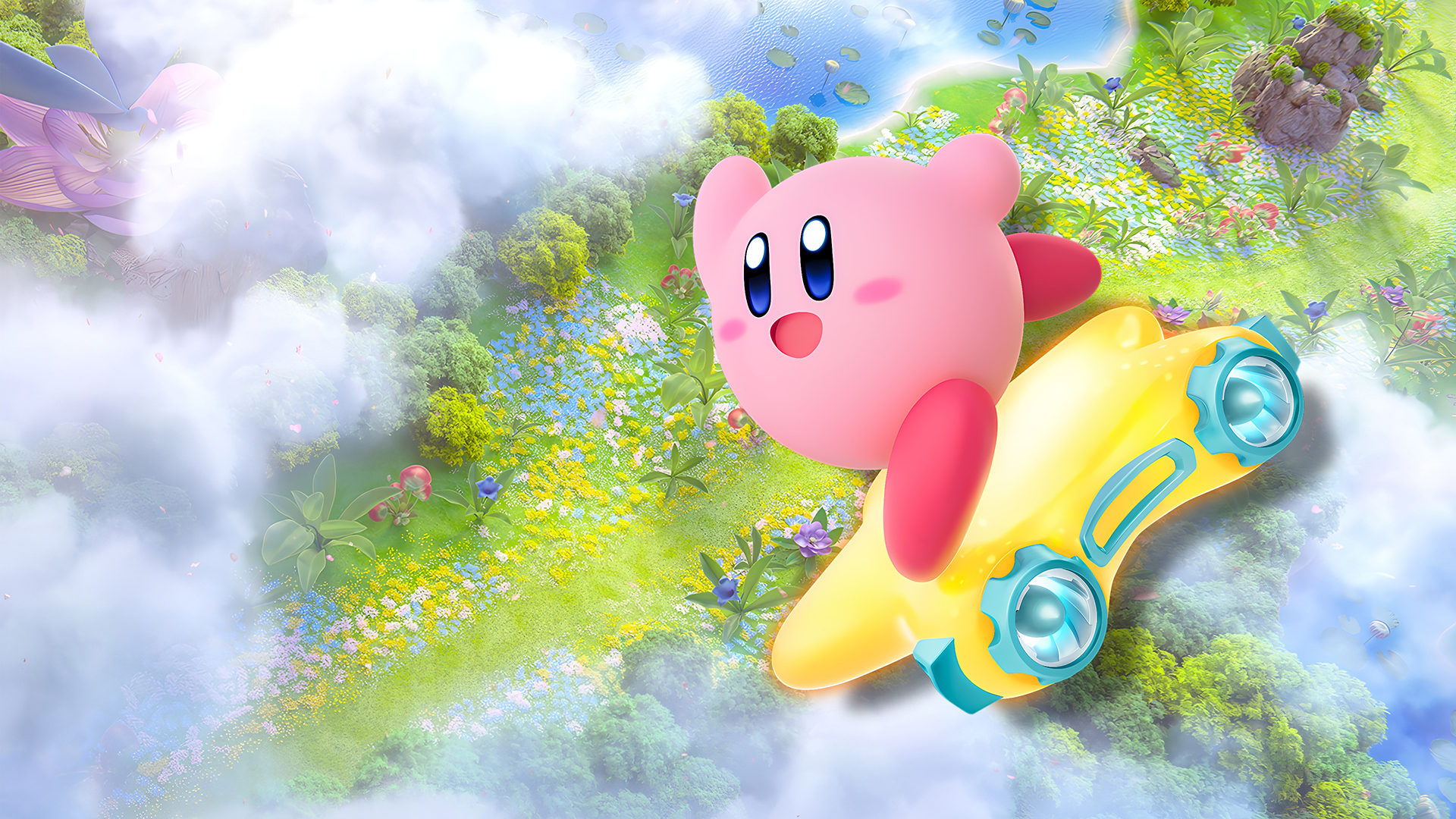
Super Mario Galaxy’s figurines dwarf earlier models, while Kirby Air Riders introduces a unique approach: each package contains a character and a vehicle.
This innovative design allows players to swap riders and vehicles, offering enhanced gameplay flexibility and customization when scanned into compatible games.
However, these enhancements come at a cost.
Kirby Air Riders’ sets can reach up to $50—a price point that rivals the cost of some full games on the eShop.
While Super Smash Bros.
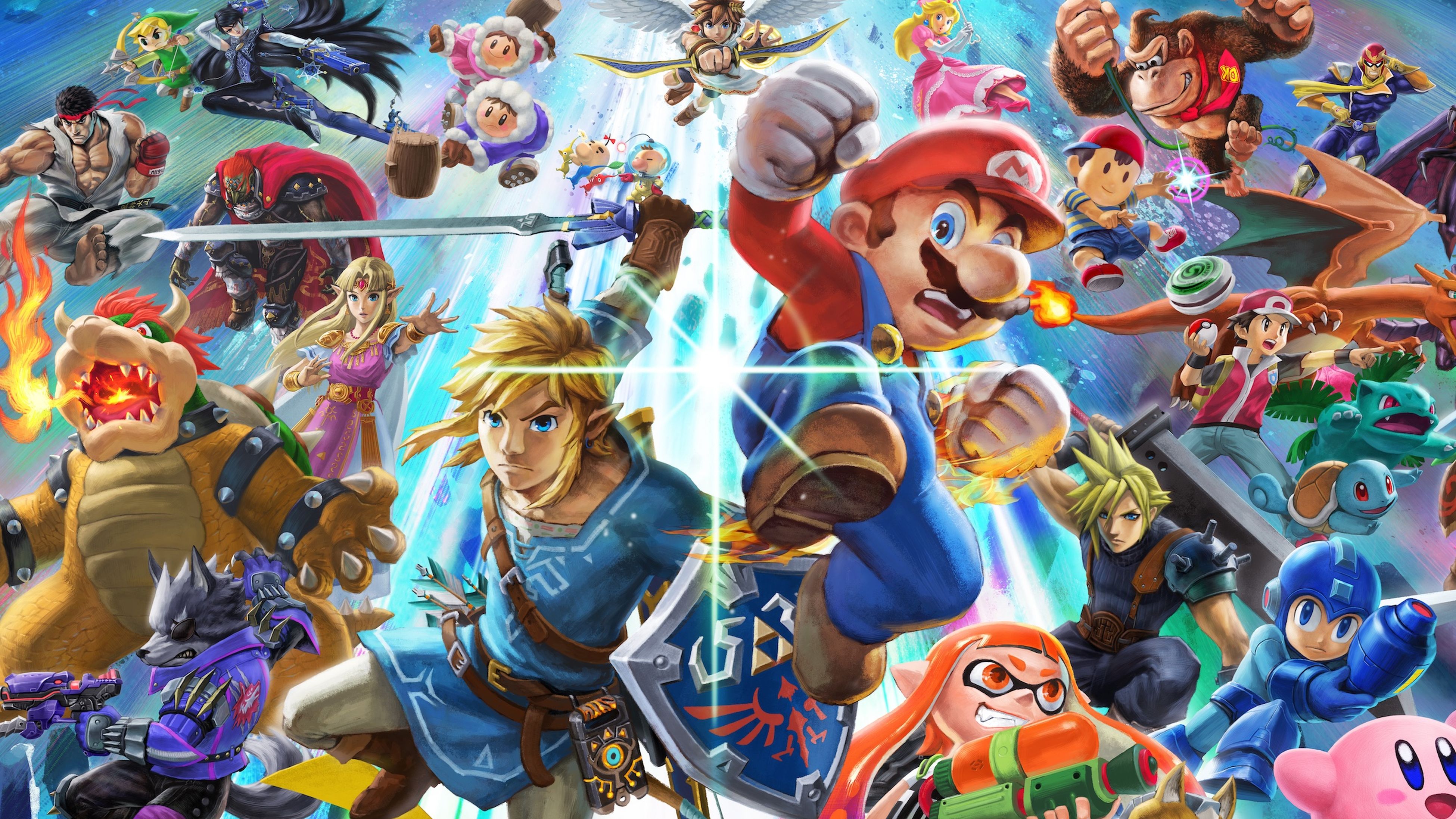
Ultimate created a metagame around amiibo training due to its moderate pricing, the increased costs for newer figures may limit such communities for newer titles.
Furthermore, exclusive amiibo in Super Mario Galaxy, which provide in-game items like the Life-Up Mushroom and 1-Up Mushroom, are slated to release several months after the corresponding games, potentially reducing their immediate relevance for players who have completed the game by the time the figures launch.
Nintendo, for its part, has emphasized a commitment to quality over quantity in this new era for amiibo.
This strategy is evident in collaborations with renowned developers such as Masahiro Sakurai, who continues to champion innovative amiibo functionality in games like Kirby Air Riders.
While certain titles, such as The Legend of Zelda: Tears of the Kingdom and a recent Street Fighter amiibo series, debuted this year with price tags of $30 and $40 respectively, reports indicate that these releases have struggled to find buyers at retail stores, leading to markdowns at outlets like GameStop and Amazon.
Conversely, select Super Mario Galaxy amiibo have sold out at various retailers, suggesting sustained demand for high-quality or highly-desired characters.
The future trajectory of amiibo appears closely tied to Nintendo’s willingness to invest in quality manufacturing and creative game integration, even as rising prices test fan loyalty.
For devoted collectors, the appeal of premium figures and inventive gameplay hooks remains strong, but accessibility concerns loom large.
Nintendo’s balance between figure craftsmanship, meaningful game bonuses, and reasonable pricing will be crucial as amiibo enters its second decade—and as fans await the next reveal in this ever-evolving series.
Despite celebrating its 10th anniversary last year—a rare milestone in the toys-to-life genre—amiibo fans have recently faced escalating prices and shifting priorities from the publisher.
As revealed during the September 2025 Nintendo Direct, the company is doubling down on premium figurines, signaling a new era for the collectible line on the Nintendo Switch and beyond.
Amiibo’s journey began nearly a decade ago, when figures debuted at $12.99 each, positioned as affordable extras that unlocked bonuses in select games.
These early amiibo quickly gained traction among fans, especially with novel features like trainable Figure Players in Super Smash Bros.
Fast-forward to 2025, and the pricing landscape has changed dramatically: new amiibo now carry a price tag of $24.99 to $34.99, reflecting an increase in sculpt detail and scale.
Even previously released figures have climbed to $19.99 each, raising questions about affordability for both new collectors and longtime fans.
Recently, Nintendo introduced a series of high-end amiibo, including expansive sets for Metroid Prime 4, Super Mario Galaxy, and Kirby Air Riders.
The latest figures are considerably larger—Metroid Prime 4's lineup, for instance, features characters on intricate stone platforms mounted on the standard base, bringing new artistry to the collection.
Super Mario Galaxy’s figurines dwarf earlier models, while Kirby Air Riders introduces a unique approach: each package contains a character and a vehicle.
This innovative design allows players to swap riders and vehicles, offering enhanced gameplay flexibility and customization when scanned into compatible games.
However, these enhancements come at a cost.
Kirby Air Riders’ sets can reach up to $50—a price point that rivals the cost of some full games on the eShop.
While Super Smash Bros.
Ultimate created a metagame around amiibo training due to its moderate pricing, the increased costs for newer figures may limit such communities for newer titles.
Furthermore, exclusive amiibo in Super Mario Galaxy, which provide in-game items like the Life-Up Mushroom and 1-Up Mushroom, are slated to release several months after the corresponding games, potentially reducing their immediate relevance for players who have completed the game by the time the figures launch.
Nintendo, for its part, has emphasized a commitment to quality over quantity in this new era for amiibo.
This strategy is evident in collaborations with renowned developers such as Masahiro Sakurai, who continues to champion innovative amiibo functionality in games like Kirby Air Riders.
While certain titles, such as The Legend of Zelda: Tears of the Kingdom and a recent Street Fighter amiibo series, debuted this year with price tags of $30 and $40 respectively, reports indicate that these releases have struggled to find buyers at retail stores, leading to markdowns at outlets like GameStop and Amazon.
Conversely, select Super Mario Galaxy amiibo have sold out at various retailers, suggesting sustained demand for high-quality or highly-desired characters.
The future trajectory of amiibo appears closely tied to Nintendo’s willingness to invest in quality manufacturing and creative game integration, even as rising prices test fan loyalty.
For devoted collectors, the appeal of premium figures and inventive gameplay hooks remains strong, but accessibility concerns loom large.
Nintendo’s balance between figure craftsmanship, meaningful game bonuses, and reasonable pricing will be crucial as amiibo enters its second decade—and as fans await the next reveal in this ever-evolving series.