Nintendo Switch 2 Profit Margins: Shuntaro Furukawa Addresses RAM Prices and Tariffs Impact
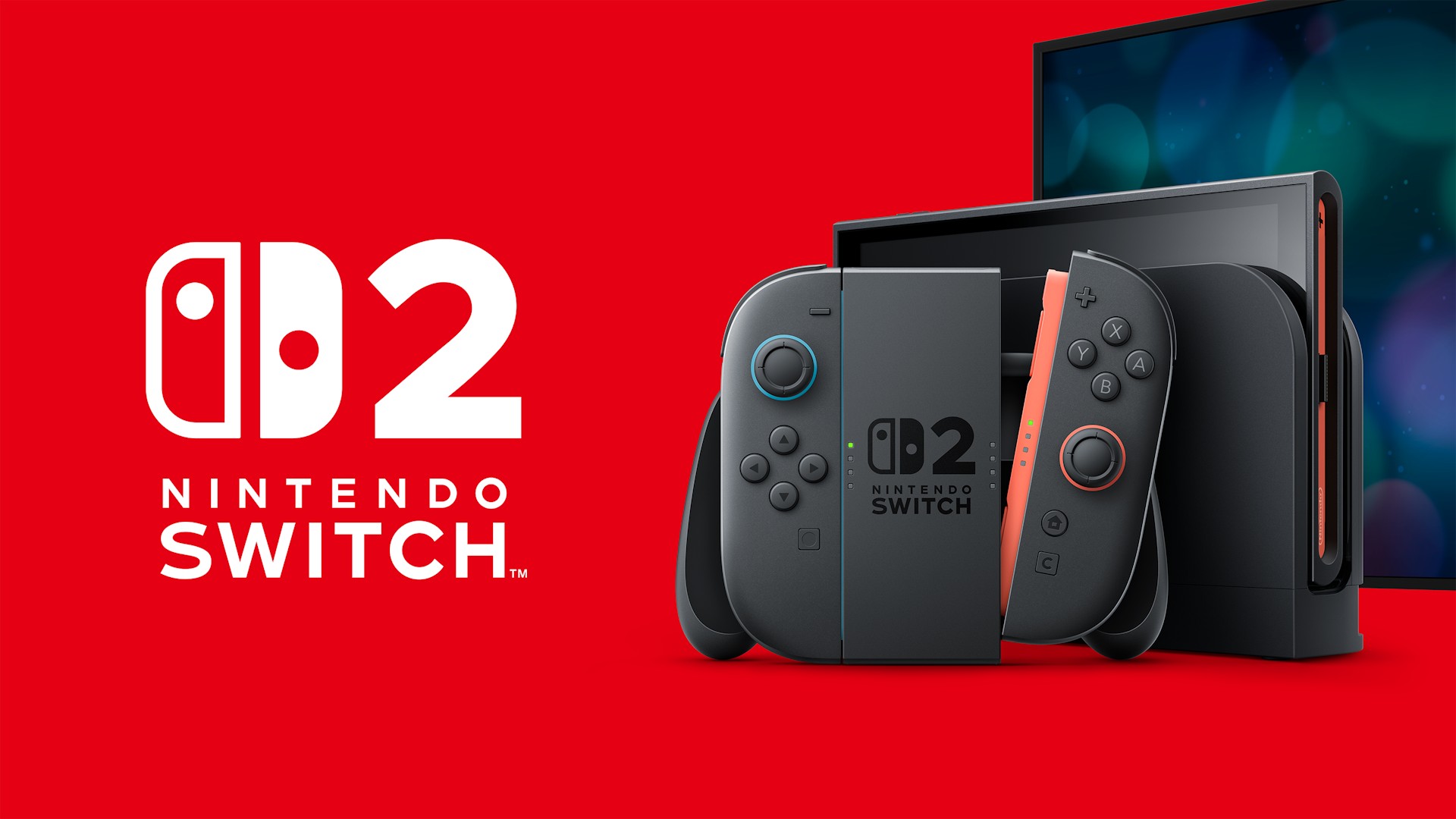
As the global games market looks toward the next generation of Nintendo hardware, the Nintendo Switch 2 remains at the center of industry conversations.
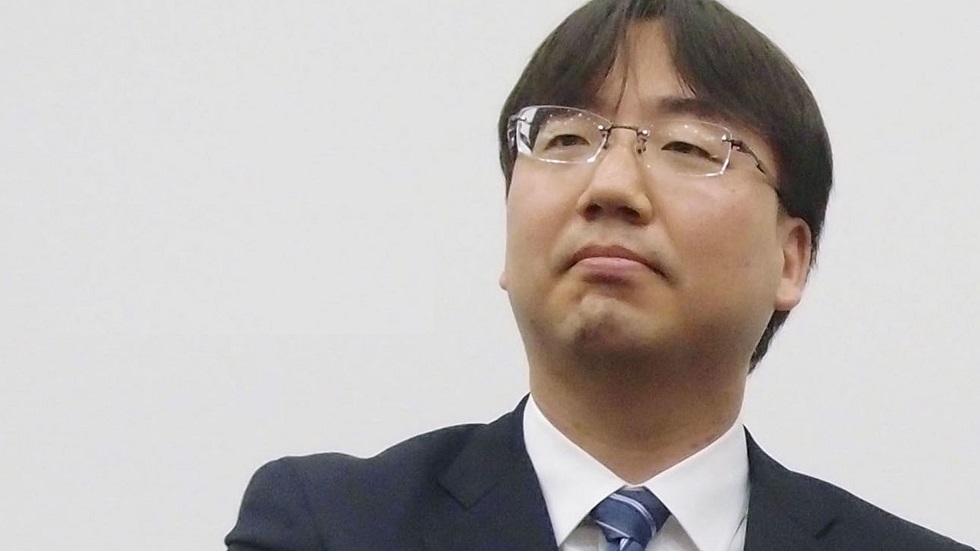
In a recent interview with Kyoto Shimbun, Nintendo president Shuntaro Furukawa detailed how the company is strategically managing economic challenges such as rising RAM costs and international trade tariffs to secure the Nintendo Switch 2's profitability.
With the current global semiconductor crisis driven by AI data center demand, the gaming supply chain has been under considerable pressure.
Notably, Micron, a leading hardware manufacturer, recently shifted its focus entirely to AI, ceasing consumer hardware production and highlighting the broader strain faced by companies like Nintendo.
Furukawa acknowledged the challenging supply conditions, stating that the profitability of Nintendo hardware, including the upcoming Switch 2, depends heavily on a range of dynamic factors such as the costs of sourcing components, the benefits realized from mass production, fluctuations in foreign exchange rates, and the ongoing effects of tariffs.
"Each of these elements plays a crucial role in shaping our hardware profit margins.
For us, addressing these challenges requires medium to long-term strategies in component procurement," Furukawa explained during the interview, as translated by Nintendo Patents Watch.
This approach mirrors steps taken by other industry leaders, such as Sony, who have also moved to mitigate supply chain risks well ahead of time.
Furukawa further clarified that while RAM prices have risen as a result of ongoing shortages, these cost increases are not expected to affect Nintendo in the short term.
According to Furukawa, Nintendo secures its crucial hardware components through long-term business planning, insulating it from market volatility that affects spot pricing for semiconductors and memory.
"Our business model is based on advance planning to ensure stable procurement over multiple years, minimizing immediate financial impact from market fluctuations," he noted.
On the topic of international tariffs, particularly those imposed on Japanese goods by the administration of former US president Donald Trump, Furukawa shared that Nintendo began its latest fiscal year with an anticipated deficit amounting to several tens of billions of yen.
"Predicting the future impact of tariffs remains challenging, but our policy has been to treat these duties as a cost to be included in our pricing.
This strategy is not limited only to the US market," Furukawa stated.
He highlighted that tariff-related costs have been reflected not just in upcoming Switch 2 hardware but also in pricing for current Nintendo Switch systems and peripherals.
Looking ahead, as uncertainties persist in the global economy and technology sectors, Furukawa emphasized stability for consumers.
For now, Switch 2's retail pricing should remain largely unaffected by component cost spikes or tariff pressures, at least in the immediate term.
Meanwhile, Nintendo continues to develop a broad range of entertainment initiatives, including expansions into animated features and anime, underscoring the company's resilience and adaptability in a rapidly evolving industry landscape.
With the Nintendo Switch 2 on the horizon, Nintendo's proactive planning and strategic foresight are poised to help the company navigate ongoing hardware and economic challenges, ensuring the next chapter in its hardware history is as successful as the last.
As the global games market looks toward the next generation of Nintendo hardware, the Nintendo Switch 2 remains at the center of industry conversations.
In a recent interview with Kyoto Shimbun, Nintendo president Shuntaro Furukawa detailed how the company is strategically managing economic challenges such as rising RAM costs and international trade tariffs to secure the Nintendo Switch 2's profitability.
With the current global semiconductor crisis driven by AI data center demand, the gaming supply chain has been under considerable pressure.
Notably, Micron, a leading hardware manufacturer, recently shifted its focus entirely to AI, ceasing consumer hardware production and highlighting the broader strain faced by companies like Nintendo.
Furukawa acknowledged the challenging supply conditions, stating that the profitability of Nintendo hardware, including the upcoming Switch 2, depends heavily on a range of dynamic factors such as the costs of sourcing components, the benefits realized from mass production, fluctuations in foreign exchange rates, and the ongoing effects of tariffs.
"Each of these elements plays a crucial role in shaping our hardware profit margins.
For us, addressing these challenges requires medium to long-term strategies in component procurement," Furukawa explained during the interview, as translated by Nintendo Patents Watch.
This approach mirrors steps taken by other industry leaders, such as Sony, who have also moved to mitigate supply chain risks well ahead of time.
Furukawa further clarified that while RAM prices have risen as a result of ongoing shortages, these cost increases are not expected to affect Nintendo in the short term.
According to Furukawa, Nintendo secures its crucial hardware components through long-term business planning, insulating it from market volatility that affects spot pricing for semiconductors and memory.
"Our business model is based on advance planning to ensure stable procurement over multiple years, minimizing immediate financial impact from market fluctuations," he noted.
On the topic of international tariffs, particularly those imposed on Japanese goods by the administration of former US president Donald Trump, Furukawa shared that Nintendo began its latest fiscal year with an anticipated deficit amounting to several tens of billions of yen.
"Predicting the future impact of tariffs remains challenging, but our policy has been to treat these duties as a cost to be included in our pricing.
This strategy is not limited only to the US market," Furukawa stated.
He highlighted that tariff-related costs have been reflected not just in upcoming Switch 2 hardware but also in pricing for current Nintendo Switch systems and peripherals.
Looking ahead, as uncertainties persist in the global economy and technology sectors, Furukawa emphasized stability for consumers.
For now, Switch 2's retail pricing should remain largely unaffected by component cost spikes or tariff pressures, at least in the immediate term.
Meanwhile, Nintendo continues to develop a broad range of entertainment initiatives, including expansions into animated features and anime, underscoring the company's resilience and adaptability in a rapidly evolving industry landscape.
With the Nintendo Switch 2 on the horizon, Nintendo's proactive planning and strategic foresight are poised to help the company navigate ongoing hardware and economic challenges, ensuring the next chapter in its hardware history is as successful as the last.