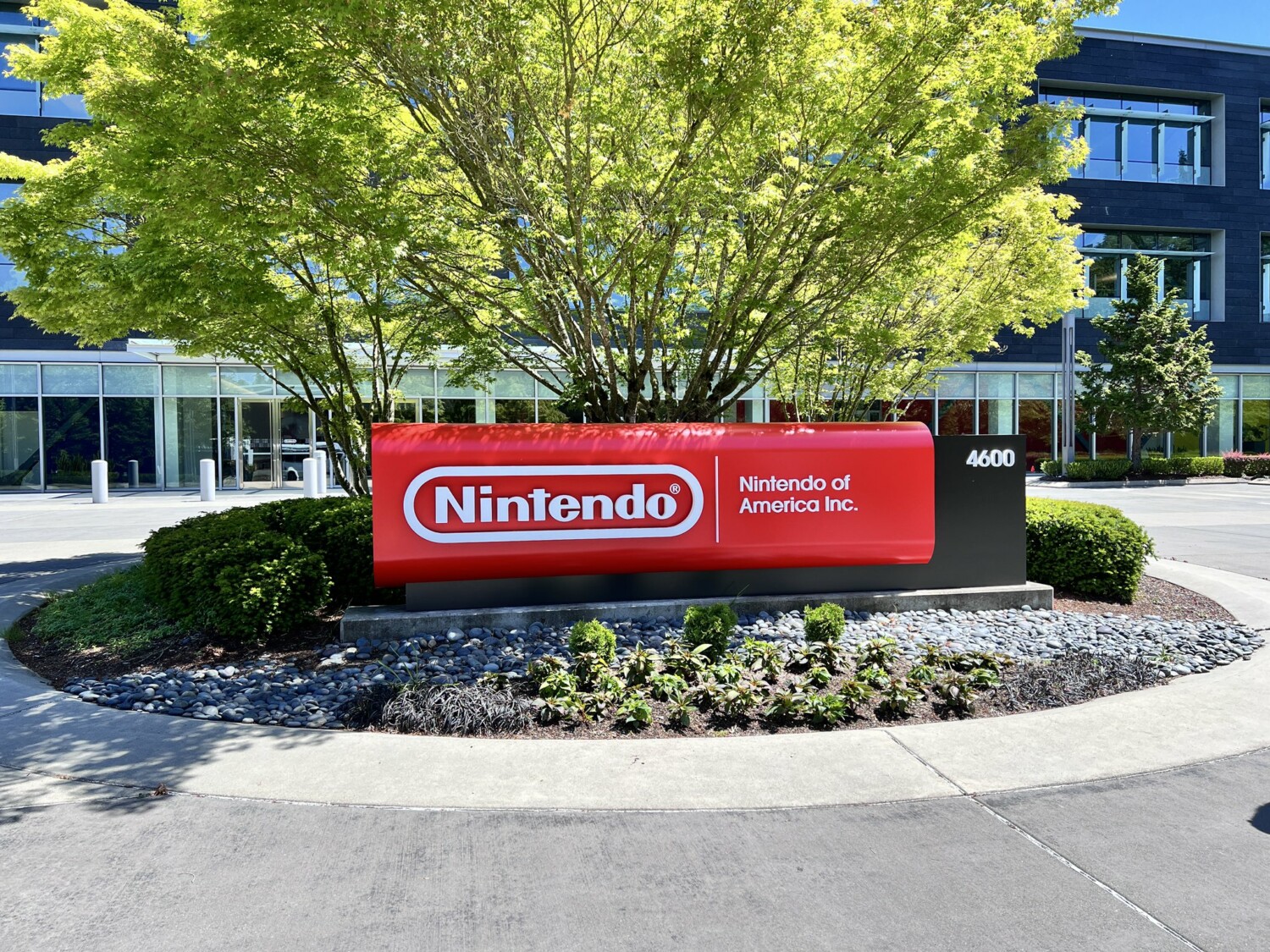
Nintendo of America has posted a public job listing seeking a Digital Archivist for Historical Systems, a move that formalizes the company's effort to capture and preserve institutional knowledge tied to its hardware and software history.
The role arrives amid growing public interest in video game preservation and follows long-running efforts by Nintendo to make classic content available through services such as the Virtual Console and the Nintendo Switch Online catalog.
The Nintendo Switch, Nintendo’s current primary platform, launched on March 3, 2017, and sits alongside a long lineage of legacy systems whose documentation and prototypes are of historical value.
According to coverage by GamesRadar, Nintendo of America may hold extensive archives—development documents, advertising materials, and software prototypes—spanning decades.
The company's listing indicates the new hire would convert and curate those materials into accessible digital formats to safeguard institutional memory.
The job description itself emphasizes preservation and accessibility.
Rewritten in straightforward terms, Nintendo of America is searching for a Digital Archivist who will preserve, organize, and make accessible historical hardware and software information.
The archivist is expected to design and implement a structured framework to manage technical records, engineering documentation, source materials, and other institutional knowledge related to legacy systems and platforms.
Why this matters: Nintendo’s console history—from the NES and SNES through Game Boy, Wii and Wii U to the Nintendo Switch—represents both commercial milestones and technical design evolution.
Preserving engineering notes, source materials, and prototype software supports scholarship, potential future re-releases, and internal engineering reference.
Nintendo has previously distributed classic titles through platforms like the Virtual Console on older systems and through the Nintendo Switch Online service; robust archival practices can complement those programs by improving access to accurate historical assets.
The Digital Archivist posting is a concrete step by Nintendo of America toward institutional preservation.
It reflects an industry-wide recognition that hardware schematics, build documents, and early software versions are fragile but valuable records.
For developers, historians, and fans, a properly curated archive helps ensure that important technical and creative work is retained for future study and reuse.
As Nintendo continues to manage its legacy across the eShop and promotional channels including Nintendo Direct, centralized archival infrastructure will be a foundational resource for the company’s long-term stewardship of its catalog.