Pushmo: Revisiting Intelligent Systems' Forgotten Puzzle Franchise on Nintendo Platforms
Intelligent Systems is a name synonymous with some of Nintendo’s most successful modern franchises.
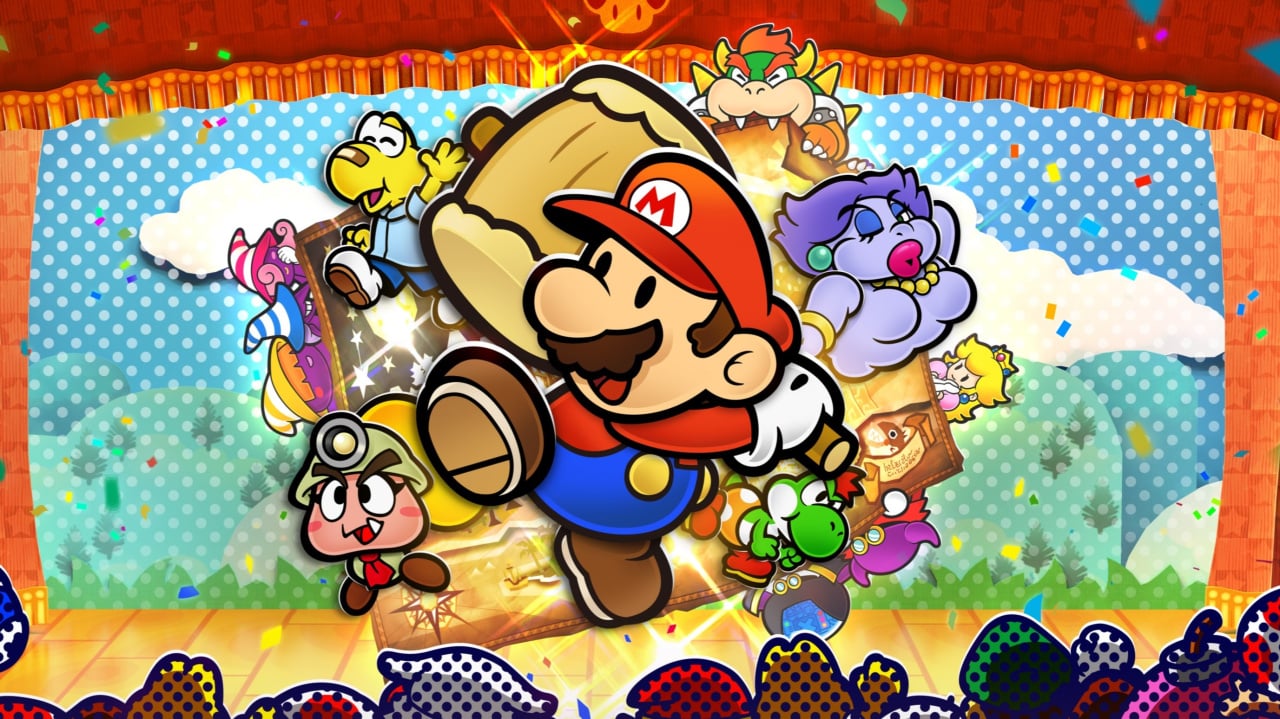
Best known in recent years for developing mainstays like Fire Emblem, Paper Mario, and WarioWare, the veteran studio also pioneered smaller-scale gems that expanded the landscape of Nintendo’s digital offerings.
Among these, Pushmo stands out as one of the Nintendo 3DS eShop’s earliest and most beloved puzzle titles—yet has remained conspicuously absent from the Nintendo Switch library, reflecting broader trends in Nintendo’s approach to budget titles.
Originally launched on the Nintendo 3DS eShop in 2011, Pushmo (known as Pullblox in some regions) quickly became a fan-favorite, celebrated for its accessible mechanics and charming aesthetic.
The game challenges players to solve increasingly complex puzzles by pulling and pushing blocks to climb toward a flagpole.
Its pick-up-and-play nature, combined with an intuitive creator mode for custom stages, helped Pushmo secure a stellar Metascore of 90, surpassing many full-price Nintendo releases.
At a modest $6.99, Pushmo exemplified Nintendo's commitment to accessible gaming experiences that didn’t compromise on quality.
During the robust digital era of the Nintendo 3DS, budget eShop titles like Pushmo coexisted with more experimental fare such as Freakyforms, Pocket Card Jockey, and Dillon’s Rolling Western.
These games provided affordable alternatives between AAA releases, serving both new audiences and longtime fans with diverse tastes.
However, the transition to the Nintendo Switch marked a significant shift.
Today, Intelligent Systems’ focus remains on its core franchises—Fire Emblem, Paper Mario, and WarioWare—with little room for smaller experiments.
Pushmo has not seen a new entry or port since the days of the 3DS and Wii U, and the franchise is rarely mentioned alongside other dormant Nintendo series such as Wario Land or Kid Icarus.
Intelligent Systems expanded the Pushmo universe with sequels, including Crashmo (2012), which added gravity-based block movement for heightened challenge, and Stretchmo (2015), a free-to-start entry that introduced stretching mechanics.
Pushmo World (2014) brought the puzzle action to Wii U, though it faced the same commercial limitations as many titles on the underperforming platform.
Despite critical acclaim, none of these games achieved blockbuster sales, and support faded as Nintendo shifted resources toward higher-performing series.
Discussing the decline of budget eShop games, a representative sentiment among industry observers is that Nintendo has largely moved away from these smaller digital titles in favor of full-priced blockbuster releases.
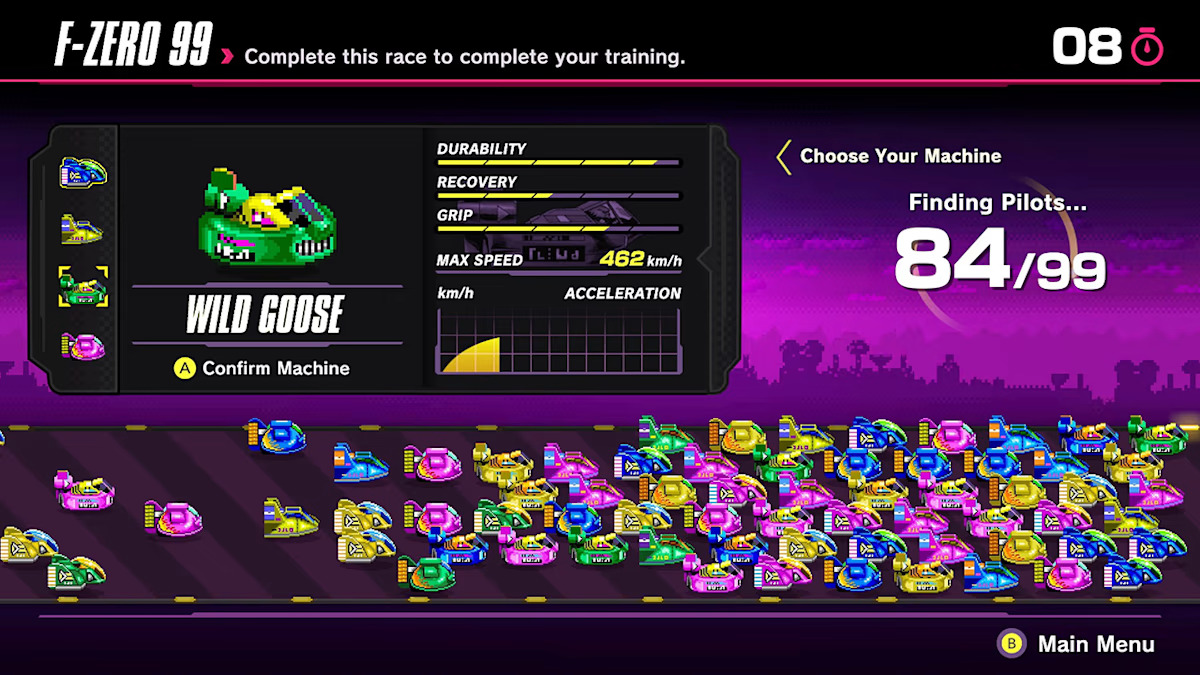
Few exceptions remain, such as F-Zero 99 and Kirby Fighters 2.
The Pushmo series’ disappearance from modern Nintendo hardware leaves a noticeable gap, especially for fans who value the company’s tradition of clever, lower-cost experiences.
While creating games like Fire Emblem or Paper Mario may be a stronger business case, Pushmo and its sequels serve as reminders of how Nintendo once balanced innovation with affordability.
As Intelligent Systems continues to deliver hits for Nintendo’s flagship franchises, the future of Pushmo is uncertain.
For now, its legacy remains a testament to the creative spirit that once defined Nintendo’s approach to downloadable games—simple, inventive, and surprisingly deep.
Intelligent Systems is a name synonymous with some of Nintendo’s most successful modern franchises.
Best known in recent years for developing mainstays like Fire Emblem, Paper Mario, and WarioWare, the veteran studio also pioneered smaller-scale gems that expanded the landscape of Nintendo’s digital offerings.
Among these, Pushmo stands out as one of the Nintendo 3DS eShop’s earliest and most beloved puzzle titles—yet has remained conspicuously absent from the Nintendo Switch library, reflecting broader trends in Nintendo’s approach to budget titles.
Originally launched on the Nintendo 3DS eShop in 2011, Pushmo (known as Pullblox in some regions) quickly became a fan-favorite, celebrated for its accessible mechanics and charming aesthetic.
The game challenges players to solve increasingly complex puzzles by pulling and pushing blocks to climb toward a flagpole.
Its pick-up-and-play nature, combined with an intuitive creator mode for custom stages, helped Pushmo secure a stellar Metascore of 90, surpassing many full-price Nintendo releases.
At a modest $6.99, Pushmo exemplified Nintendo's commitment to accessible gaming experiences that didn’t compromise on quality.
During the robust digital era of the Nintendo 3DS, budget eShop titles like Pushmo coexisted with more experimental fare such as Freakyforms, Pocket Card Jockey, and Dillon’s Rolling Western.
These games provided affordable alternatives between AAA releases, serving both new audiences and longtime fans with diverse tastes.
However, the transition to the Nintendo Switch marked a significant shift.
Today, Intelligent Systems’ focus remains on its core franchises—Fire Emblem, Paper Mario, and WarioWare—with little room for smaller experiments.
Pushmo has not seen a new entry or port since the days of the 3DS and Wii U, and the franchise is rarely mentioned alongside other dormant Nintendo series such as Wario Land or Kid Icarus.
Intelligent Systems expanded the Pushmo universe with sequels, including Crashmo (2012), which added gravity-based block movement for heightened challenge, and Stretchmo (2015), a free-to-start entry that introduced stretching mechanics.
Pushmo World (2014) brought the puzzle action to Wii U, though it faced the same commercial limitations as many titles on the underperforming platform.
Despite critical acclaim, none of these games achieved blockbuster sales, and support faded as Nintendo shifted resources toward higher-performing series.
Discussing the decline of budget eShop games, a representative sentiment among industry observers is that Nintendo has largely moved away from these smaller digital titles in favor of full-priced blockbuster releases.
Few exceptions remain, such as F-Zero 99 and Kirby Fighters 2.
The Pushmo series’ disappearance from modern Nintendo hardware leaves a noticeable gap, especially for fans who value the company’s tradition of clever, lower-cost experiences.
While creating games like Fire Emblem or Paper Mario may be a stronger business case, Pushmo and its sequels serve as reminders of how Nintendo once balanced innovation with affordability.
As Intelligent Systems continues to deliver hits for Nintendo’s flagship franchises, the future of Pushmo is uncertain.
For now, its legacy remains a testament to the creative spirit that once defined Nintendo’s approach to downloadable games—simple, inventive, and surprisingly deep.