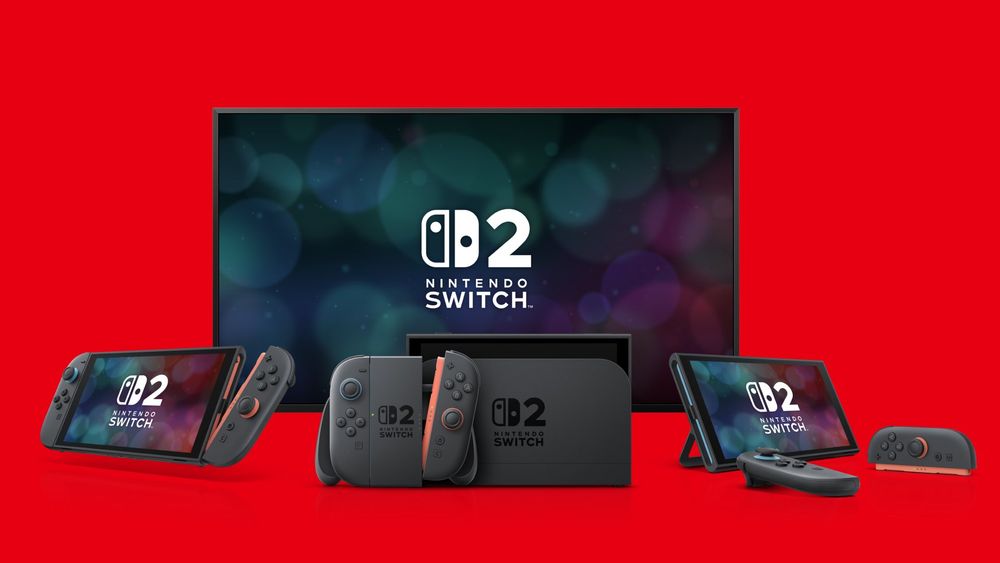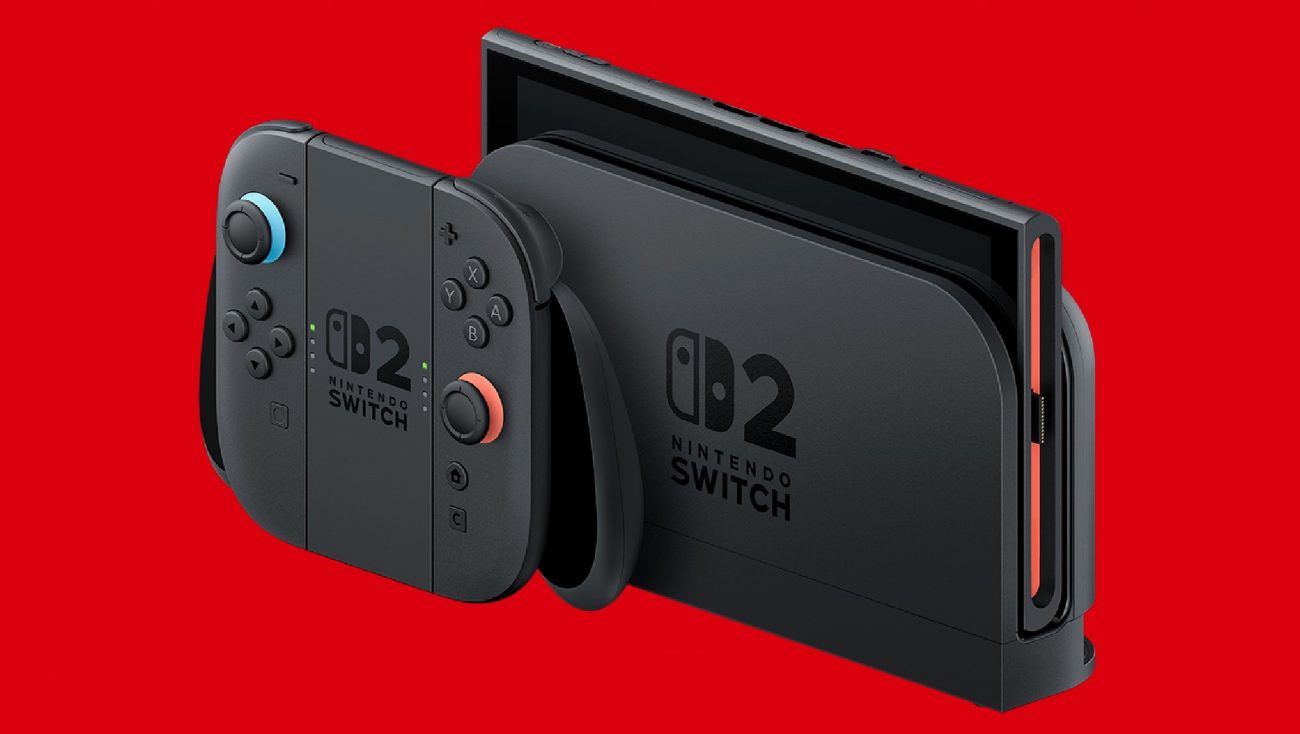
Nintendo Japan has announced new purchase restrictions for the Nintendo Switch 2 Multi-Language System sold through its official Japanese storefronts, citing suspected scalping activity.
The move mirrors measures Nintendo employed during the original Switch launch to limit bulk purchases and reselling, and applies specifically to units distributed via Nintendo Japan’s online sales channels.
In a social media announcement, Nintendo Japan stated it had detected several purchases of the Nintendo Switch 2 Multi-Language System that appeared linked to scalping.
Rewritten in journalistic terms, the company explained it identified suspicious buying patterns and has implemented tighter purchase controls on that version of the console to ensure fairer access for individual consumers.
The new restrictions imposed by Nintendo Japan are as follows:
- Buyers must already own a Nintendo Switch (often referred to as Switch 1).
- The primary Switch linked to the purchaser’s Nintendo Account must show at least 50 hours of playtime on paid software (demos and free software excluded).
- Each Nintendo Account is limited to purchasing a single Switch 2 unit through Nintendo Japan’s official stores.
These rules apply to the Multi-Language System variant sold in Japan; Nintendo’s announcement noted that other Japanese SKUs, including language-exclusive editions, were not subject to the same changes.
Nintendo did not provide further operational details beyond the stated purchase conditions.
Similar purchase limits were used by Nintendo during the launch of the original Nintendo Switch to curb resellers and help genuine customers secure hardware during high-demand periods.
Reinstating targeted restrictions for a specific SKU is consistent with that prior policy approach.
For consumers tracking availability, the restrictions affect purchases made via Nintendo Japan’s official storefronts and are enforced at the account level through Nintendo Account verification and linked hardware activity.
Nintendo has not issued additional changes to global sales channels in this announcement.
This update underscores ongoing industry challenges around scalping and hardware distribution.
Nintendo Japan’s statement focuses on verified account ownership and playtime history as criteria to prioritize legitimate buyers and limit bulk acquisitions through official retail channels.
The move mirrors measures Nintendo employed during the original Switch launch to limit bulk purchases and reselling, and applies specifically to units distributed via Nintendo Japan’s online sales channels.
In a social media announcement, Nintendo Japan stated it had detected several purchases of the Nintendo Switch 2 Multi-Language System that appeared linked to scalping.
Rewritten in journalistic terms, the company explained it identified suspicious buying patterns and has implemented tighter purchase controls on that version of the console to ensure fairer access for individual consumers.
The new restrictions imposed by Nintendo Japan are as follows:
- Buyers must already own a Nintendo Switch (often referred to as Switch 1).
- The primary Switch linked to the purchaser’s Nintendo Account must show at least 50 hours of playtime on paid software (demos and free software excluded).
- Each Nintendo Account is limited to purchasing a single Switch 2 unit through Nintendo Japan’s official stores.
These rules apply to the Multi-Language System variant sold in Japan; Nintendo’s announcement noted that other Japanese SKUs, including language-exclusive editions, were not subject to the same changes.
Nintendo did not provide further operational details beyond the stated purchase conditions.
Similar purchase limits were used by Nintendo during the launch of the original Nintendo Switch to curb resellers and help genuine customers secure hardware during high-demand periods.
Reinstating targeted restrictions for a specific SKU is consistent with that prior policy approach.
For consumers tracking availability, the restrictions affect purchases made via Nintendo Japan’s official storefronts and are enforced at the account level through Nintendo Account verification and linked hardware activity.
Nintendo has not issued additional changes to global sales channels in this announcement.
This update underscores ongoing industry challenges around scalping and hardware distribution.
Nintendo Japan’s statement focuses on verified account ownership and playtime history as criteria to prioritize legitimate buyers and limit bulk acquisitions through official retail channels.