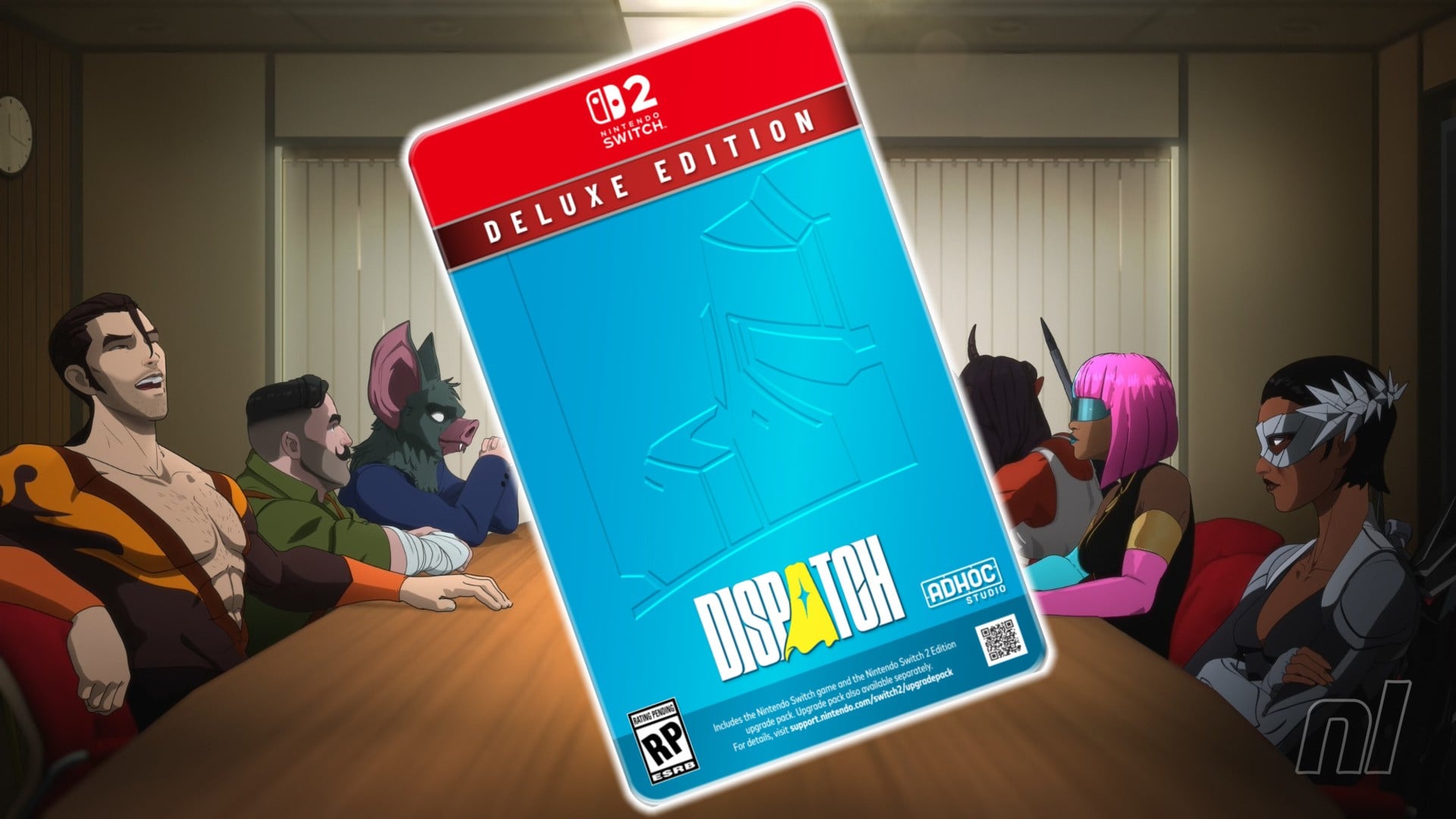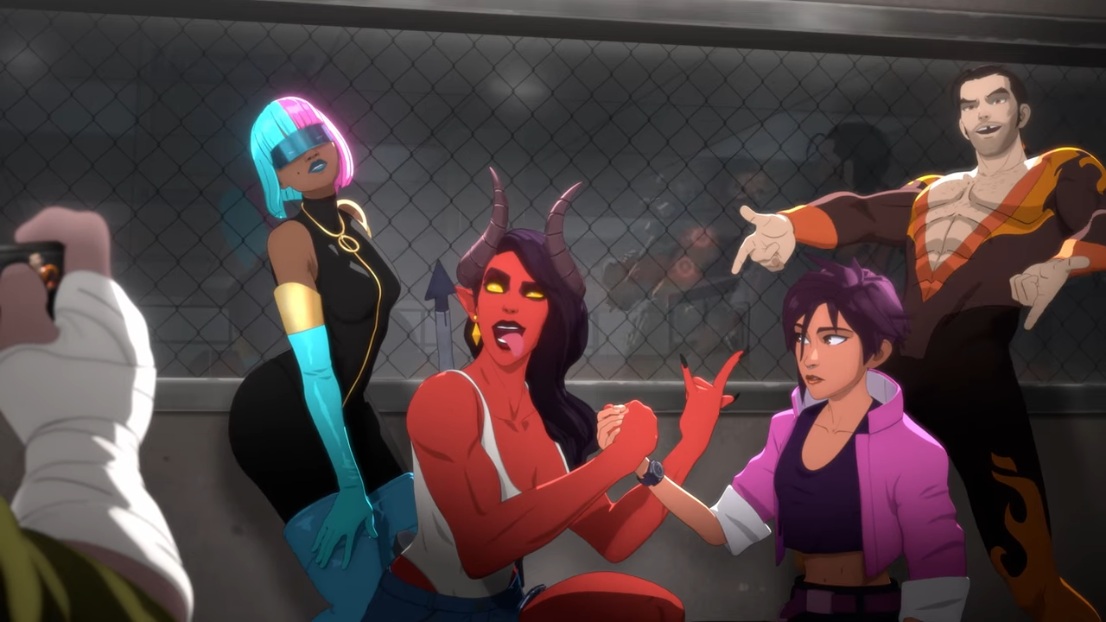

Nintendo has responded to growing discussions regarding the censorship of Dispatch on both Nintendo Switch and the upcoming Nintendo Switch 2.
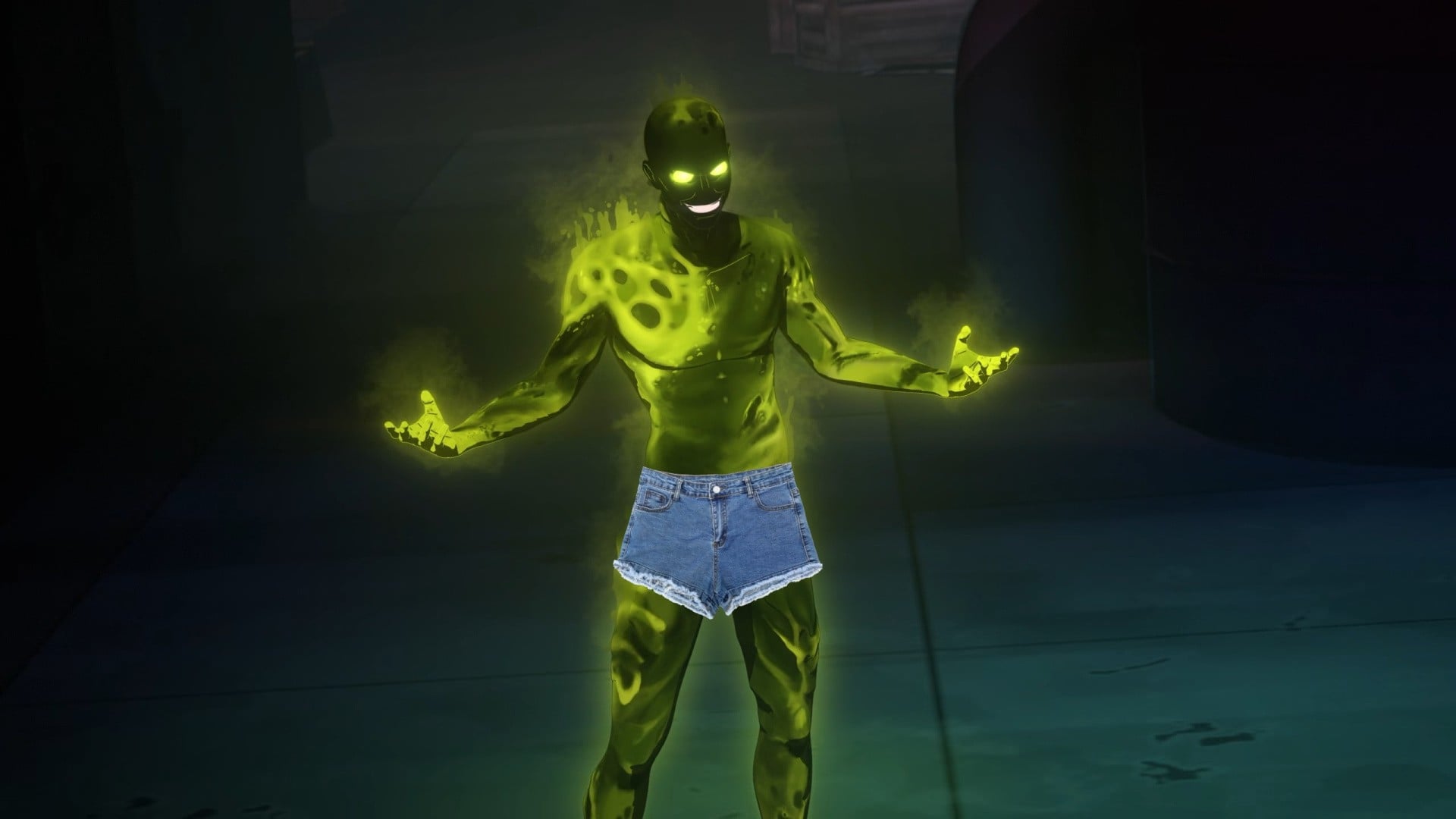
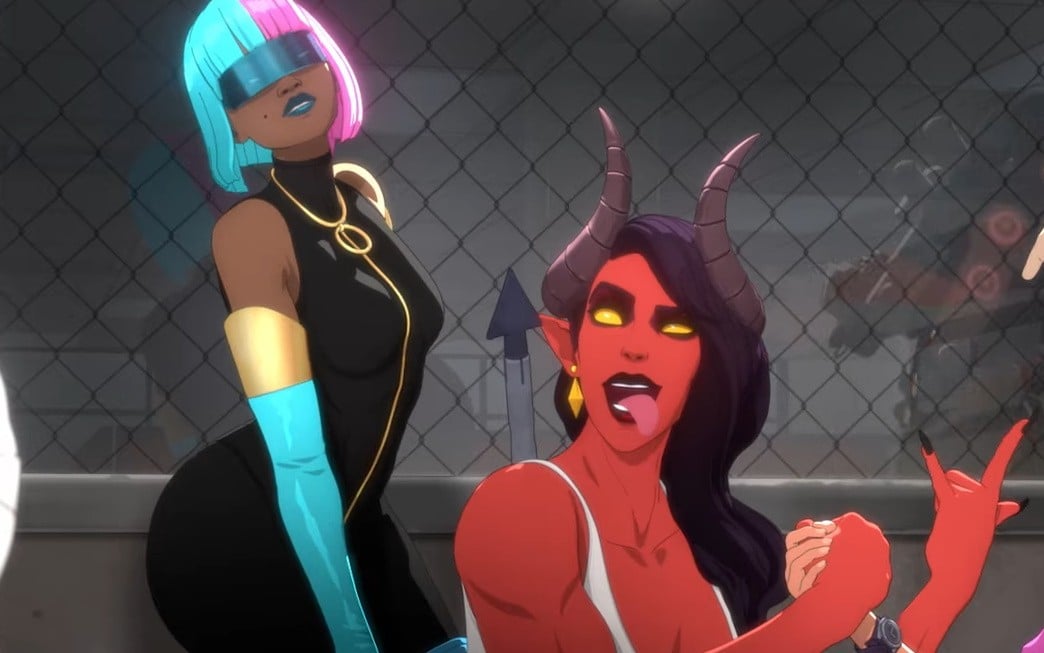
The game, which features adult content, has been released with stricter content restrictions on Nintendo's platforms compared to its counterparts on PS5 and PC.
On these competitor platforms, players were provided with a toggle option allowing them to disable censorship features such as nudity.
However, Nintendo Switch and Switch 2 editions enforce these content filters by default, with no option for players to alter the settings.
This disparity sparked significant reactions from fans and industry watchers, especially as Nintendo's systems are region-free and the eShop’s regional defaults can complicate content availability.
In response to inquiries, Nintendo released an official statement addressing its policy towards third-party game content and age ratings.
"Nintendo requires all games published on our platforms to receive formal ratings from independent rating boards and comply with our established content and platform guidelines," a spokesperson for Nintendo clarified.
"Our role involves notifying partners if their submissions do not align with our guidelines, but Nintendo does not alter partner content nor do we discuss the specific content or decision criteria publicly."
The central issue underlying the Dispatch censorship appears to involve regional rating standards, particularly the Computer Entertainment Rating Organization (CERO) in Japan, which maintains strict rules regarding depictions of nudity.
Due to Nintendo’s globally connected platforms and region-free hardware, a game’s eShop version adheres to the system’s regional settings—even if purchased from a different country’s digital store.
This can inadvertently result in greater restrictions for certain games, regardless of where a player bought their copy.
Such challenges are not unique to Dispatch.
High-profile titles like Cyberpunk 2077 have navigated similar hurdles by offering a region-specific edition in Japan, removing mature content such as nudity and decapitations to align with local rating board requirements.
These differences spotlight the balancing act developers face when releasing content across multiple territories and the various content standards enforced by platform holders like Nintendo.
As the Nintendo Switch and its successor, Switch 2, continue to cater to a global audience, the Dispatch case underscores ongoing complexities in harmonizing content regulation, player expectations, and scoring consistency across digital storefronts like the eShop.
Nintendo's approach, grounded in adherence to ratings organizations and platform policy, aims for uniform standards, though it occasionally leads to heightened censorship compared to rival systems.
For developers and players alike, understanding these region-based and platform-enforced guidelines is increasingly important as the Nintendo ecosystem evolves.
The game, which features adult content, has been released with stricter content restrictions on Nintendo's platforms compared to its counterparts on PS5 and PC.
On these competitor platforms, players were provided with a toggle option allowing them to disable censorship features such as nudity.
However, Nintendo Switch and Switch 2 editions enforce these content filters by default, with no option for players to alter the settings.
This disparity sparked significant reactions from fans and industry watchers, especially as Nintendo's systems are region-free and the eShop’s regional defaults can complicate content availability.
In response to inquiries, Nintendo released an official statement addressing its policy towards third-party game content and age ratings.
"Nintendo requires all games published on our platforms to receive formal ratings from independent rating boards and comply with our established content and platform guidelines," a spokesperson for Nintendo clarified.
"Our role involves notifying partners if their submissions do not align with our guidelines, but Nintendo does not alter partner content nor do we discuss the specific content or decision criteria publicly."
The central issue underlying the Dispatch censorship appears to involve regional rating standards, particularly the Computer Entertainment Rating Organization (CERO) in Japan, which maintains strict rules regarding depictions of nudity.
Due to Nintendo’s globally connected platforms and region-free hardware, a game’s eShop version adheres to the system’s regional settings—even if purchased from a different country’s digital store.
This can inadvertently result in greater restrictions for certain games, regardless of where a player bought their copy.
Such challenges are not unique to Dispatch.
High-profile titles like Cyberpunk 2077 have navigated similar hurdles by offering a region-specific edition in Japan, removing mature content such as nudity and decapitations to align with local rating board requirements.
These differences spotlight the balancing act developers face when releasing content across multiple territories and the various content standards enforced by platform holders like Nintendo.
As the Nintendo Switch and its successor, Switch 2, continue to cater to a global audience, the Dispatch case underscores ongoing complexities in harmonizing content regulation, player expectations, and scoring consistency across digital storefronts like the eShop.
Nintendo's approach, grounded in adherence to ratings organizations and platform policy, aims for uniform standards, though it occasionally leads to heightened censorship compared to rival systems.
For developers and players alike, understanding these region-based and platform-enforced guidelines is increasingly important as the Nintendo ecosystem evolves.