

Nintendo released its November 2025 financial report covering the first two quarters of its fiscal year, reflecting notable growth and robust sales across its hardware and software divisions.
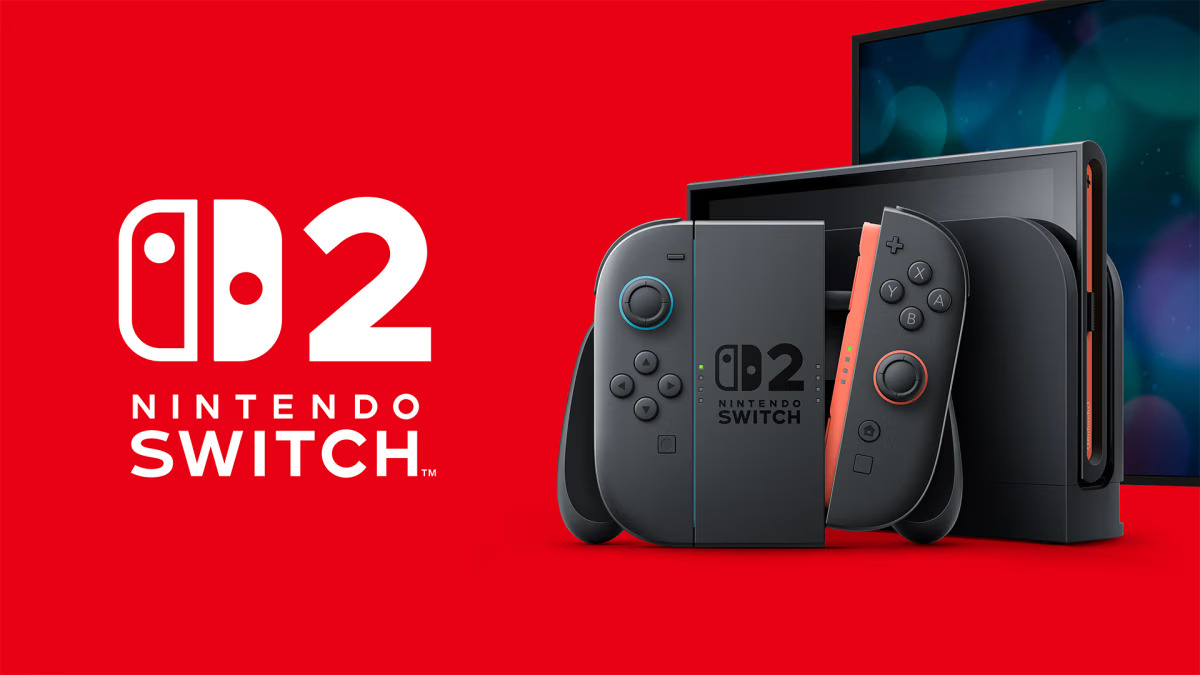
As the Nintendo Switch 2 gains momentum following its June 5 launch, the company’s diversification across both its latest console and established platforms continues to drive business results.
According to the new report, Nintendo Switch 2 hardware sales reached an impressive 10.36 million units and its accompanying software recorded 20.62 million units sold through September.
This strong early performance is bolstered by successful releases such as Mario Kart World, which launched alongside the Switch 2 and achieved 9.57 million units in sales—including bundled copies.
July’s Donkey Kong Bananza added another 3.49 million units, demonstrating Nintendo’s continued ability to deliver high-performing flagship titles.
A Nintendo spokesperson emphasized these successes, noting that "both Mario Kart World and Donkey Kong Bananza experienced robust sales growth, supporting strong engagement for the platform."
Nintendo’s legacy platform, the original Nintendo Switch, also continued to perform well during the same period, reaching a cumulative hardware sales total of 154.01 million units and a remarkable 1,452.79 million software units since launch.
During this period, Nintendo Switch families saw combined hardware sales of 1.89 million units, broken down into 0.55 million standard models, 0.91 million OLED models, and 0.43 million Switch Lite units.
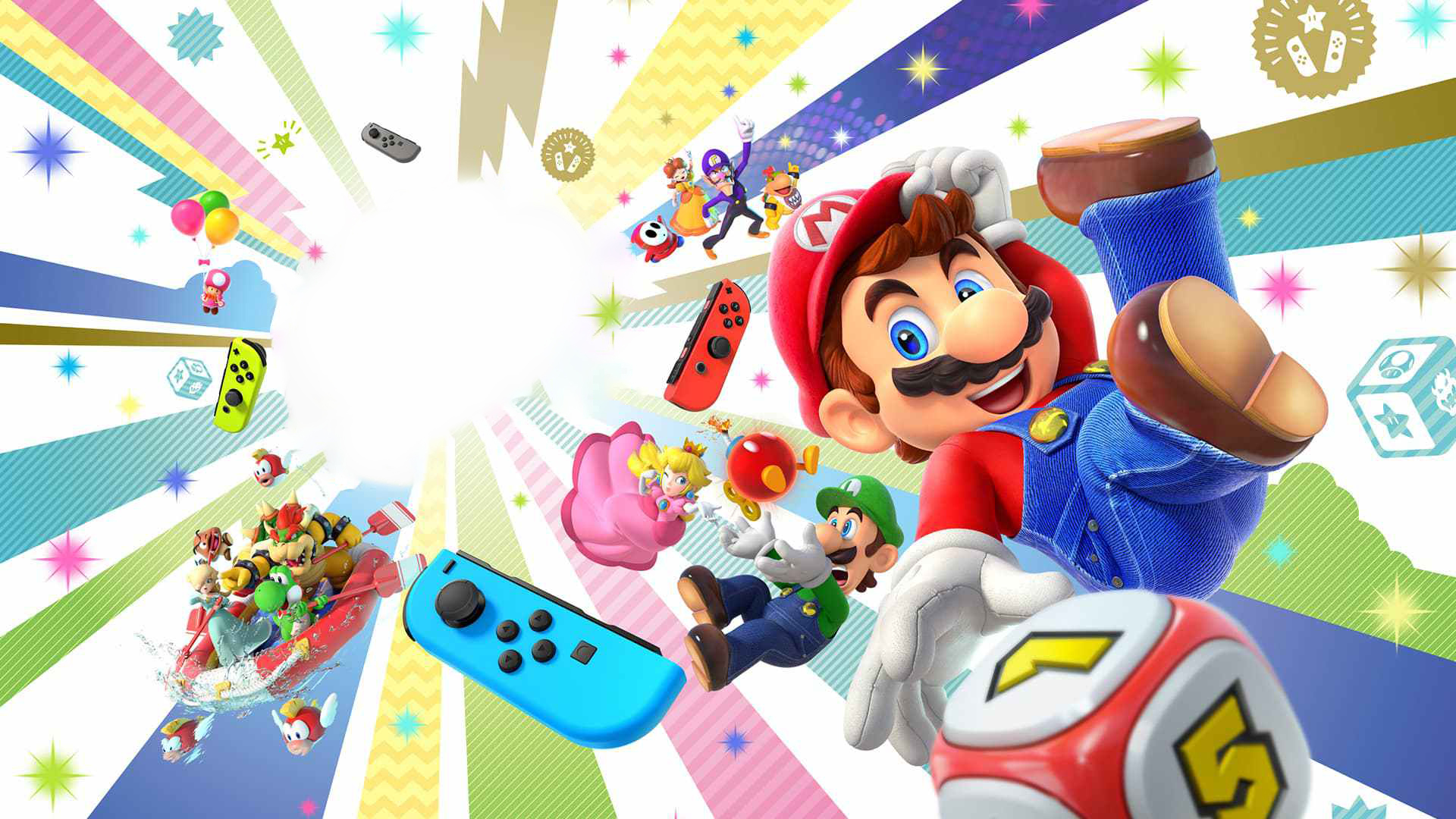
Software sales for the original Switch reached 61.56 million units this period, with evergreen titles like Mario Kart 8 Deluxe and Super Mario Party Jamboree maintaining stable sales thanks to backward compatibility on the new hardware.
On the digital front, Nintendo reported dedicated platform digital sales of 155.5 billion yen, reflecting a 2.8% decline year-on-year due to foreign exchange impact and softer demand for download-only software.
The company's IP-related business, including income from mobile and licensing, contributed 33.3 billion yen, down 12.4% year-over-year, largely attributed to a reduction in movie-related income.
From a broader perspective, total Nintendo sales for the period reached 1,099.5 billion yen, with overseas markets accounting for 79.5% of total sales (874.3 billion yen).
Operating profit stood at 145.1 billion yen, and ordinary profit was reported at 236.0 billion yen, including 44.1 billion yen in profits from associated entities.
Net profit came in at 198.9 billion yen, which factors in a 32.3 billion yen gain from the sale of investment securities.
Looking ahead, Nintendo is preparing significant releases to maintain momentum on Nintendo Switch 2.
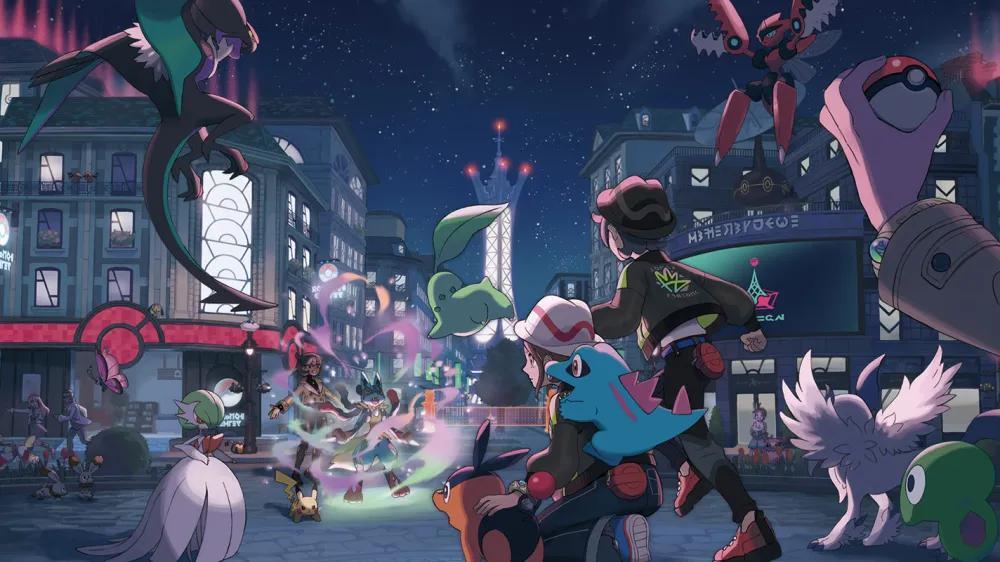
In October, the Pokémon Legends: Z-A – Nintendo Switch 2 Edition and its hardware bundle launched, with Kirby Air Riders slated for November, and Metroid Prime 4: Beyond – Nintendo Switch 2 Edition arriving in December.
Additional third-party titles are expected to bolster the library further.
The company stated its intent to "sustain the strong start of Nintendo Switch 2 with a continuous rollout of first-party and partner software to grow the platform’s user base."
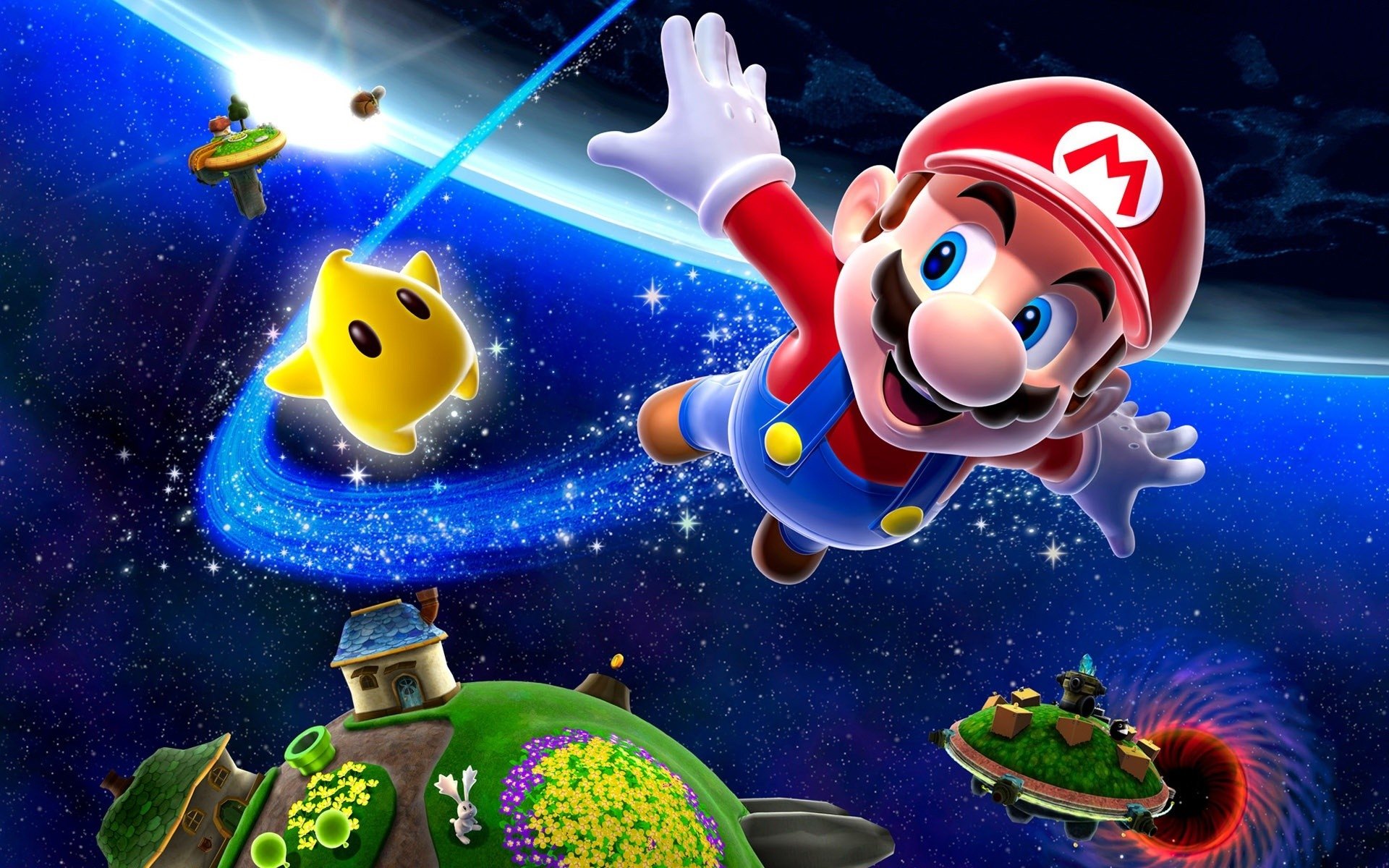
For the original Switch, Nintendo remains committed to supporting the record-breaking installed base with new titles like Super Mario Galaxy + Super Mario Galaxy 2 and Pokémon Legends: Z-A, while focusing on sustaining engagement through perennial bestsellers.
Due to the solid sales trajectory in the fiscal year’s first half, Nintendo revised its full-year financial forecast, adjusting unit sales expectations and announcing a change in its dividend policy effective with the year-end dividend for the fiscal year ending March 31, 2026.
These strategic moves underscore Nintendo’s ongoing commitment to shareholders and sustained global market leadership.
As the Nintendo Switch 2 gains momentum following its June 5 launch, the company’s diversification across both its latest console and established platforms continues to drive business results.
According to the new report, Nintendo Switch 2 hardware sales reached an impressive 10.36 million units and its accompanying software recorded 20.62 million units sold through September.
This strong early performance is bolstered by successful releases such as Mario Kart World, which launched alongside the Switch 2 and achieved 9.57 million units in sales—including bundled copies.
July’s Donkey Kong Bananza added another 3.49 million units, demonstrating Nintendo’s continued ability to deliver high-performing flagship titles.
A Nintendo spokesperson emphasized these successes, noting that "both Mario Kart World and Donkey Kong Bananza experienced robust sales growth, supporting strong engagement for the platform."
Nintendo’s legacy platform, the original Nintendo Switch, also continued to perform well during the same period, reaching a cumulative hardware sales total of 154.01 million units and a remarkable 1,452.79 million software units since launch.
During this period, Nintendo Switch families saw combined hardware sales of 1.89 million units, broken down into 0.55 million standard models, 0.91 million OLED models, and 0.43 million Switch Lite units.
Software sales for the original Switch reached 61.56 million units this period, with evergreen titles like Mario Kart 8 Deluxe and Super Mario Party Jamboree maintaining stable sales thanks to backward compatibility on the new hardware.
On the digital front, Nintendo reported dedicated platform digital sales of 155.5 billion yen, reflecting a 2.8% decline year-on-year due to foreign exchange impact and softer demand for download-only software.
The company's IP-related business, including income from mobile and licensing, contributed 33.3 billion yen, down 12.4% year-over-year, largely attributed to a reduction in movie-related income.
From a broader perspective, total Nintendo sales for the period reached 1,099.5 billion yen, with overseas markets accounting for 79.5% of total sales (874.3 billion yen).
Operating profit stood at 145.1 billion yen, and ordinary profit was reported at 236.0 billion yen, including 44.1 billion yen in profits from associated entities.
Net profit came in at 198.9 billion yen, which factors in a 32.3 billion yen gain from the sale of investment securities.
Looking ahead, Nintendo is preparing significant releases to maintain momentum on Nintendo Switch 2.
In October, the Pokémon Legends: Z-A – Nintendo Switch 2 Edition and its hardware bundle launched, with Kirby Air Riders slated for November, and Metroid Prime 4: Beyond – Nintendo Switch 2 Edition arriving in December.
Additional third-party titles are expected to bolster the library further.
The company stated its intent to "sustain the strong start of Nintendo Switch 2 with a continuous rollout of first-party and partner software to grow the platform’s user base."
For the original Switch, Nintendo remains committed to supporting the record-breaking installed base with new titles like Super Mario Galaxy + Super Mario Galaxy 2 and Pokémon Legends: Z-A, while focusing on sustaining engagement through perennial bestsellers.
Due to the solid sales trajectory in the fiscal year’s first half, Nintendo revised its full-year financial forecast, adjusting unit sales expectations and announcing a change in its dividend policy effective with the year-end dividend for the fiscal year ending March 31, 2026.
These strategic moves underscore Nintendo’s ongoing commitment to shareholders and sustained global market leadership.