Nintendo Files Lawsuit Against U.S. Government Over Trump-Era Tariffs Impacting Switch Hardware
Nintendo, the iconic Japanese gaming company renowned for the Nintendo Switch and its beloved franchises, has officially filed a lawsuit against the United States government in response to tariffs imposed during former President Donald Trump’s administration.
The company’s legal action, spotted by Aftermath and filed on March 6, 2026, seeks refunds on tariffs that were recently struck down by the Supreme Court—a move that aligns Nintendo with over 1,000 other companies contesting the government’s tariff enforcement.
Background on Trump-Era Tariffs and Nintendo’s Legal Challenge
The Trump administration introduced broad tariffs on imports from a range of countries beginning in 2018, with substantial long-term effects on manufacturers, including those in the gaming industry such as Nintendo.
These tariffs, worth over $200 billion across various goods, significantly increased the cost of importing hardware and components essential to game consoles and accessories.
Nintendo’s lawsuit targets the U.S. Department of Treasury, current and former secretaries of the Departments of Treasury, Homeland Security, Commerce, and officials from the U.S. Office of the Trade Representative and U.S. Customs and Border Protection.
The company asserts that the tariffs, initiated by executive orders implemented since February 1, 2025, are unlawful and have led to undue financial strain, particularly as the company readied the launch of the Nintendo Switch 2 in the United States.
Nintendo’s Legal Statement and Official Position
According to the company’s legal filing, Nintendo’s attorneys stated: "This action concerns the defendants’ initiation and administration of unlawful trade measures that have, to date, resulted in the collection of more than $200 billion in tariffs on imports from nearly all countries." The lawyers further argue that the tariffs were enacted by executive orders deemed unlawful and seek a refund, with interest, for tariffs already paid.
When approached for comment, Nintendo confirmed the legitimacy of the lawsuit but declined further remarks.
Impact on Nintendo Switch 2 Pre-Orders and U.S. Launch Pricing
The Trump-era tariffs directly influenced Nintendo’s U.S. business operations.
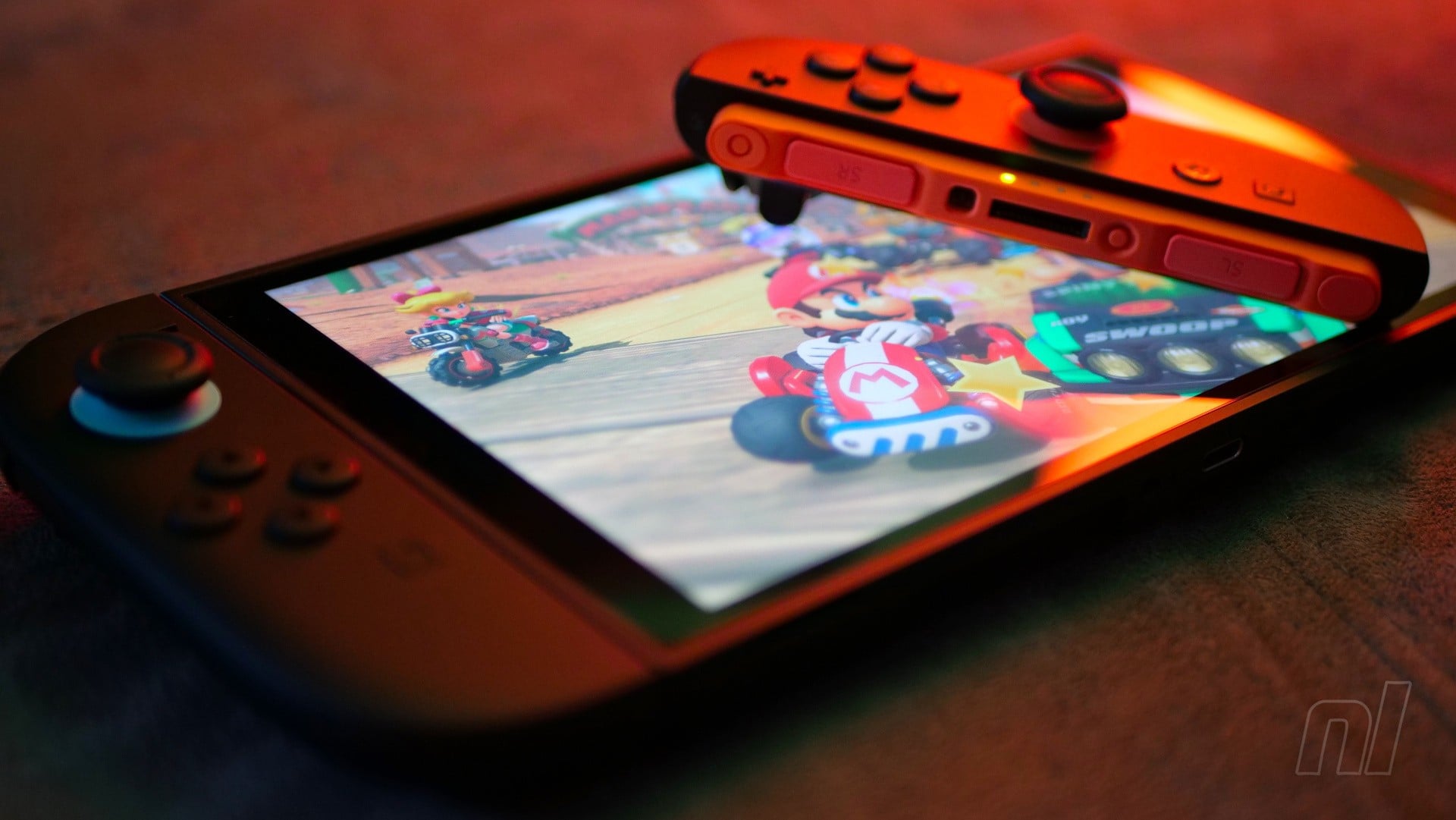
Most notably, pre-orders for the Nintendo Switch 2, which officially opened in other markets on April 9, 2025, experienced delays stateside as Nintendo evaluated the financial risk posed by new tariffs.
The company ultimately delayed opening U.S. pre-orders by several weeks to avoid potential pricing instability.
Despite the tariff challenges, Nintendo maintained the Nintendo Switch 2’s launch price at $449.99, although some peripherals and the price of the original Switch saw increases to offset additional costs.
These decisions and their justification are outlined in Nintendo’s legal arguments.
Looking Ahead
Nintendo continues to monitor global component pricing and U.S. trade regulations as it moves forward with its next-generation hardware.
The outcome of this high-profile lawsuit could not only affect Nintendo’s bottom line but also set precedent for how other tech and electronics firms navigate shifting international trade policies.
As the gaming industry watches the proceedings closely, both manufacturers and consumers are reminded of the far-reaching impacts that global trade policy has on gaming hardware availability and pricing.
Nintendo, the iconic Japanese gaming company renowned for the Nintendo Switch and its beloved franchises, has officially filed a lawsuit against the United States government in response to tariffs imposed during former President Donald Trump’s administration.
The company’s legal action, spotted by Aftermath and filed on March 6, 2026, seeks refunds on tariffs that were recently struck down by the Supreme Court—a move that aligns Nintendo with over 1,000 other companies contesting the government’s tariff enforcement.
Background on Trump-Era Tariffs and Nintendo’s Legal Challenge
The Trump administration introduced broad tariffs on imports from a range of countries beginning in 2018, with substantial long-term effects on manufacturers, including those in the gaming industry such as Nintendo.
These tariffs, worth over $200 billion across various goods, significantly increased the cost of importing hardware and components essential to game consoles and accessories.
Nintendo’s lawsuit targets the U.S. Department of Treasury, current and former secretaries of the Departments of Treasury, Homeland Security, Commerce, and officials from the U.S. Office of the Trade Representative and U.S. Customs and Border Protection.
The company asserts that the tariffs, initiated by executive orders implemented since February 1, 2025, are unlawful and have led to undue financial strain, particularly as the company readied the launch of the Nintendo Switch 2 in the United States.
Nintendo’s Legal Statement and Official Position
According to the company’s legal filing, Nintendo’s attorneys stated: "This action concerns the defendants’ initiation and administration of unlawful trade measures that have, to date, resulted in the collection of more than $200 billion in tariffs on imports from nearly all countries." The lawyers further argue that the tariffs were enacted by executive orders deemed unlawful and seek a refund, with interest, for tariffs already paid.
When approached for comment, Nintendo confirmed the legitimacy of the lawsuit but declined further remarks.
Impact on Nintendo Switch 2 Pre-Orders and U.S. Launch Pricing
The Trump-era tariffs directly influenced Nintendo’s U.S. business operations.
Most notably, pre-orders for the Nintendo Switch 2, which officially opened in other markets on April 9, 2025, experienced delays stateside as Nintendo evaluated the financial risk posed by new tariffs.
The company ultimately delayed opening U.S. pre-orders by several weeks to avoid potential pricing instability.
Despite the tariff challenges, Nintendo maintained the Nintendo Switch 2’s launch price at $449.99, although some peripherals and the price of the original Switch saw increases to offset additional costs.
These decisions and their justification are outlined in Nintendo’s legal arguments.
Looking Ahead
Nintendo continues to monitor global component pricing and U.S. trade regulations as it moves forward with its next-generation hardware.
The outcome of this high-profile lawsuit could not only affect Nintendo’s bottom line but also set precedent for how other tech and electronics firms navigate shifting international trade policies.
As the gaming industry watches the proceedings closely, both manufacturers and consumers are reminded of the far-reaching impacts that global trade policy has on gaming hardware availability and pricing.